Is USCIS Tightening H-1B and Legal Immigration in 2025?
Synopsis
In a pivotal year-end review, USCIS reveals heightened scrutiny over H-1B visas and legal immigration. The agency's crackdown includes rigorous enforcement actions and a focus on fraud prevention, signaling a major shift in immigration policy. Discover how these changes aim to protect American jobs and enhance national security.
Key Takeaways
Increased scrutiny of H-1B and other visa programs.
Operation Twin Shield aims to combat visa fraud .
Changes to employment authorization validity to enhance screening.
New rules prioritize higher-skilled workers .
Strengthened examination of family-based immigration applications.
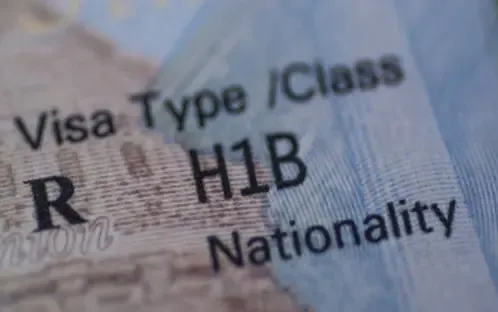
Washington, Dec 23 (NationPress) The US immigration authorities have announced a significant tightening of oversight for H-1B visas along with other legal immigration programs. This decision comes in light of ongoing fraud investigations, new regulatory measures, and an extensive enforcement initiative detailed in a recent year-end review.
The US Citizenship and Immigration Services (USCIS) has intensified its scrutiny of various immigration categories, including employment-based, student, and family-based immigration. This shift includes the largest enforcement operation to date, dubbed Operation Twin Shield.
This operation revealed what USCIS termed as widespread misuse of H-1B and student visas, as well as fraudulent marriage applications. As a result, the agency conducted thousands of worksite visits, nearly 1,500 in-person interviews, and made numerous arrests, alongside denials of benefits.
Notably, USCIS has modified rules concerning employment authorization by eliminating automatic extensions for certain work permits while renewal applications are under review.
The agency has also reduced the maximum validity of certain employment authorization documents from five years to 18 months, claiming that this allows for more consistent screening and vetting of applicants.
Additionally, USCIS has proposed a rule that would prioritize H-1B visas for higher-skilled and higher-paid workers, aiming to safeguard wages, working conditions, and job opportunities for American citizens. A separate rule has been introduced to streamline agricultural work visas, supporting the critical agricultural sector.
The scrutiny of family-based immigration has also increased, with USCIS enhancing its screening processes to verify that marriages and family relationships cited in applications are legitimate and not fraudulent.
These actions are part of a broader strategy under the guidance of Homeland Security Secretary Kristi Noem and USCIS Director Joseph B. Edlow, who are steering the agency towards an “America First” immigration policy that emphasizes public safety and national security.
Edlow commented, “Under Secretary Noem, USCIS has embraced an ‘America First’ strategy, restoring order, security, integrity, and accountability to the nation's immigration framework.”
The report indicates that since January 20, USCIS has referred over 14,400 individuals to ICE due to concerns regarding public safety, national security, and fraud, including 182 individuals identified as confirmed or suspected national security threats. The agency's collaboration with various law enforcement entities resulted in more than 2,400 arrests at USCIS field offices this year.
In response to a November 26 incident involving an Afghan national, USCIS has temporarily halted asylum processing for specific groups, mandated a re-evaluation of green card applications from designated high-risk nations, and paused certain immigration petitions from Afghanistan and other nations of concern. Officers are now instructed to consider country-specific risk factors when assessing applicants from 19 high-risk countries.
Furthermore, USCIS unveiled a new vetting center on December 5, designed to enhance the screening of immigration applications through advanced technologies and improved collaboration with law enforcement and intelligence organizations.
USCIS has declared a war on immigration fraud, reporting over 29,000 fraud referrals since January 20.
Point of View
It's crucial to recognize that the latest measures by USCIS reflect a growing emphasis on immigration integrity and public safety. While these actions aim to curb fraud and prioritize American workers, they also raise concerns about the potential impact on legitimate immigrants seeking opportunities in the US.
NationPress
3 Oct 2026
Frequently Asked Questions
What is Operation Twin Shield?
Operation Twin Shield is USCIS's largest enforcement initiative aimed at uncovering fraud in H-1B and student visa programs.
How has the validity of employment authorization documents changed?
USCIS has reduced the maximum validity of certain employment authorization documents from five years to 18 months to allow for more frequent screening.
What does the proposed rule for H-1B visas entail?
The proposed rule aims to prioritize H-1B visas for higher-skilled and higher-paid workers to protect American job opportunities.
How many individuals have been referred to ICE since January 20?
USCIS has referred over 14,400 individuals to ICE due to concerns related to public safety and national security.
What is the new vetting center launched by USCIS?
The new vetting center, launched on December 5, focuses on enhancing immigration application screening through advanced technologies.