Karnataka hijab-saffron shawl row: VHP warns Congress govt as tensions mount
Synopsis
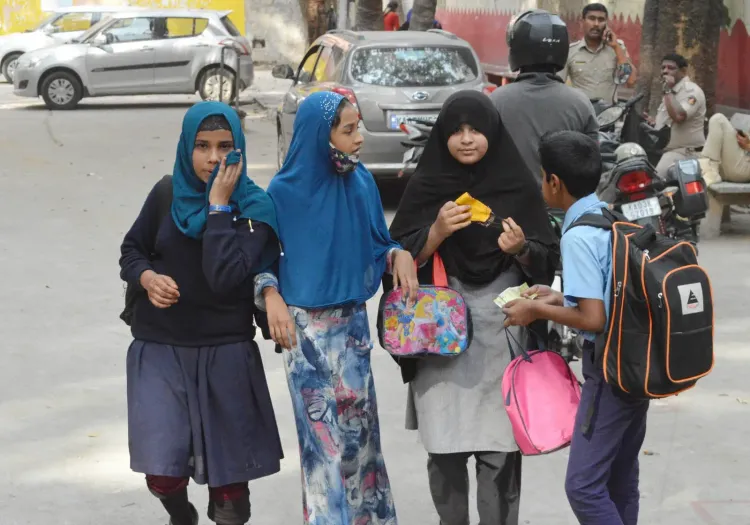
Karnataka's Congress government lifted the hijab ban and allowed limited religious symbols in schools — but excluded the saffron shawl. The VHP has now warned the government will bear responsibility for the fallout, and with schools reopening on 1 June, the 2022 flashpoint risks a live replay.
Key Takeaways
The Karnataka Congress government lifted the Bommai-era hijab ban , permitting limited religious symbols including turban, tilak, Cross, and kalawa in schools — but explicitly barring the saffron shawl .
VHP regional secretary Sharan Pumpwell warned the government on Wednesday that it would be held responsible for any consequences, and urged students to protest.
Hindu organisations say they will continue to support students who wear saffron shawls despite the prohibition.
Tensions are expected to escalate from 1 June when most Karnataka schools and colleges reopen after summer vacation.
The original hijab ban was upheld by the Karnataka High Court in March 2022 ; a Supreme Court split verdict left the matter legally unresolved.
Authorities in Karnataka's coastal region are on heightened alert given its history of communal incidents.
The Karnataka government's decision to lift restrictions on the hijab while barring saffron shawls in educational institutions has reignited a communal flashpoint, with the Vishwa Hindu Parishad (VHP) and other Hindu organisations vowing to defy the order and support students who wear saffron shawls to school. Authorities across the state are on alert, with tensions expected to peak from 1 June when most schools and colleges reopen after summer vacation.
What the Government Order Says
The ruling Congress government withdrew dress-code restrictions introduced during the previous Bharatiya Janata Party (BJP) administration under then Chief Minister Basavaraj Bommai. Under the revised directive, students may wear 'limited traditional and practice-based symbols' that complement the prescribed school uniform — including the turban, kada, tilak, holy ash, Cross, and kalawa. The order, however, explicitly excludes the saffron shawl, a distinction Hindu organisations say amounts to discrimination.
VHP's Warning and Hindu Organisations' Stand
VHP regional secretary Sharan Pumpwell on Wednesday condemned the directive and warned that the state government would be held responsible for any consequences arising from the move. Pumpwell appealed to students to protest the decision, alleging the Congress government was pursuing 'appeasement politics' and encouraging what he described as 'regional extremism.' He further argued that allowing the hijab back on campuses had disturbed the 'discipline and uniformity' that educational institutions require. Despite the government's prohibition on saffron shawls, Hindu organisations have maintained they will continue to back students who choose to wear them.
Background: How the 2022 Controversy Unfolded
The hijab row first erupted in early 2022 when Muslim students were allegedly denied entry into colleges in Udupi for wearing hijabs. The Bommai government responded in February 2022 with a dress-code order barring religious attire in uniform-mandated institutions. The Karnataka High Court upheld the ban in March 2022, and the matter subsequently reached the Supreme Court, which delivered a split verdict; the case remains pending. The controversy drew international attention when Al Qaeda's then leader Ayman al-Zawahiri released a video praising Muskan Khan, a student who shouted 'Allahu Akbar' after being heckled by a crowd in Mandya, and called upon Indian Muslims to resist what he termed oppression.
Concerns Over Communal Tensions on Campuses
The renewed dispute has triggered anxiety among academicians, parents, and students about the prospect of communal confrontations between student groups. Authorities in Karnataka's communally sensitive coastal region are said to be closely monitoring developments. The Congress government had previously brought the coastal situation under control following a series of revenge killings and repeated incidents of moral policing in the region. This comes amid a broader national debate on religious expression in state-run educational spaces.
What Happens Next
The practical test of the revised order will come when academic institutions reopen on 1 June. Whether students from different communities choose to assert their respective religious identifiers — and how school administrations respond — will determine whether the controversy remains confined to political statements or spills into campus-level confrontations. The Supreme Court's pending verdict on the original hijab ban continues to loom over the legal landscape.
Point of View
Just weeks before schools reopen, compounds the risk: what is currently a war of statements could become a campus-level confrontation. Karnataka's coastal belt, which has never fully settled after the 2022 cycle of violence, is the most vulnerable pressure point. The Supreme Court's unresolved split verdict means there is no legal clarity to fall back on, leaving administrators and students in a rules vacuum that ideologically motivated groups on both sides are already moving to fill.
NationPress
7 Oct 2026
Frequently Asked Questions
What is the Karnataka hijab-saffron shawl controversy about?
The controversy centres on the Karnataka Congress government's decision to lift restrictions on the hijab in schools while also permitting limited religious symbols such as turban, tilak, and Cross — but explicitly excluding the saffron shawl. Hindu organisations, led by the VHP, argue this distinction is discriminatory and have vowed to support students who wear saffron shawls regardless of the order.
Why did the Karnataka hijab row first erupt in 2022?
The row began in early 2022 when Muslim students were allegedly denied entry into colleges in Udupi for wearing hijabs. The then BJP government under Chief Minister Basavaraj Bommai issued a dress-code order in February 2022 barring religious attire in uniform-mandated institutions. The Karnataka High Court upheld the ban in March 2022, and the Supreme Court delivered a split verdict, leaving the legal question unresolved.
What has the VHP said about the Karnataka government's order?
VHP regional secretary Sharan Pumpwell on Wednesday warned that the state government would be held responsible for any consequences arising from the directive. He accused the Congress government of 'appeasement politics' and 'encouraging regional extremism,' and appealed to students to protest the decision.
When are tensions expected to peak in Karnataka over this issue?
Tensions are expected to rise from 1 June, when most schools and colleges in Karnataka reopen after summer vacation. That is when the revised dress-code directive will face its first practical test, and authorities — particularly in the communally sensitive coastal region — are on heightened alert.
What is the current legal status of the hijab ban in Karnataka?
The Karnataka High Court upheld the original hijab ban in March 2022. The matter was subsequently taken to the Supreme Court, which delivered a split verdict; the case remains pending without a definitive ruling. The Congress government's withdrawal of the Bommai-era order operates in this legally unresolved environment.