Karnataka hijab row: Congress defends religious symbols, rules out saffron shawls
Synopsis
Karnataka's hijab row is back — and this time the Congress government is drawing a constitutional line. CM Siddaramaiah's defence of religious symbols in schools, paired with an explicit ban on saffron shawls, has handed the BJP a fresh political flashpoint ahead of local body elections, even as the Supreme Court's larger bench ruling on the original 2022 case is still awaited.
Key Takeaways
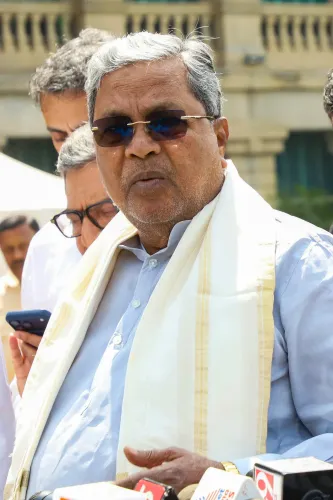
Chief Minister Siddaramaiah on 15 May defended the right to wear turban, kada, tilak, holy ash, kalawa, and head scarf in Karnataka schools, while ruling out saffron shawls.
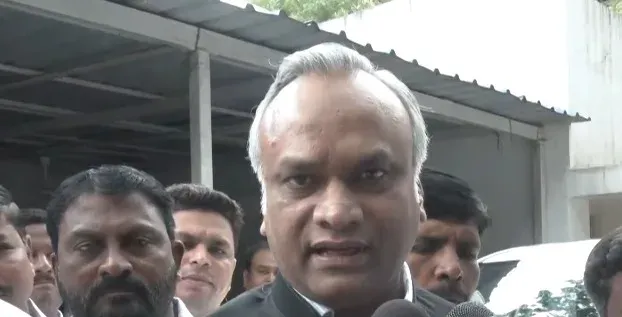
Minister Priyank Kharge clarified that no dress code has been withdrawn; the government is asserting equal constitutional space for all recognised religious practices.
Congress spokesperson Nasir Hussain called the hijab a constitutional right, not a special concession, and accused the BJP of reviving communal politics.
Jamaat-e-Islami Hind Karnataka welcomed the move, saying it would improve educational access and social inclusion for Muslim girls.
The original 2022 hijab ban case remains before a Supreme Court larger bench; no formal state government order has been issued as yet.
A fresh political confrontation erupted in Karnataka on 15 May after Chief Minister Siddaramaiah defended the right of students to wear constitutionally protected religious symbols — including turban, kada, tilak, holy ash, kalawa, and head scarf — in educational institutions, while explicitly ruling out saffron shawls. The stance drew an immediate and sharp counter from the Bharatiya Janata Party (BJP), reigniting a debate that has periodically convulsed the state since 2022.
What the Congress Government Said
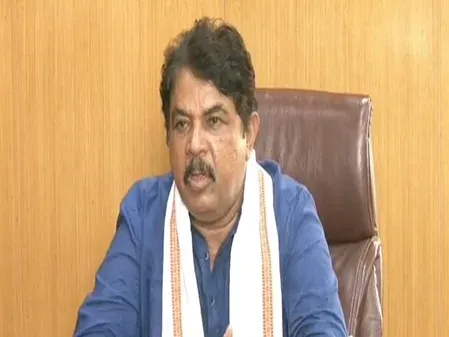
Karnataka Minister Priyank Kharge clarified that the state government had not withdrawn any existing dress code but was instead affirming equal constitutional space for all recognised religious practices. 'We did not withdraw the dress code. All we have said is that all religious practices will have equal space in society, which is as per the Constitution. Be it a turban, kada, tilak, holy ash, kalawa or head scarf, what is the ambiguity in it?' Kharge said, adding that the BJP was free to challenge the position in court.
Kharge drew a pointed distinction between the hijab and saffron shawls, arguing that the latter did not constitute a recognised religious practice. He accused the BJP of prioritising political symbolism over student welfare, saying the party wanted to 'put saffron shawls on children and make them Gau-rakshaks and Dharm-rakshaks' rather than focus on their education.
Congress Voices: Constitutional Right, Not Special Privilege
Congress spokesperson Nasir Hussain accused the BJP of deliberately reviving communal politics. 'The Congress government has not given any special permission to wear a hijab; it is a constitutional right. If any girl, irrespective of her religion, wants to pursue education while wearing a hijab, what is the problem with that? This is not a political issue,' he said.
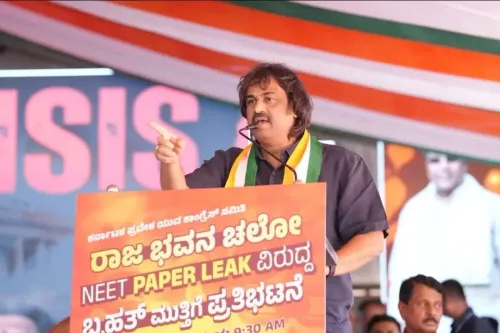
Congress MP Imran Masood linked the debate to broader Indian cultural traditions, arguing that covering the head had long been a part of Indian practice regardless of religion. He also pivoted to exam paper leaks, accusing the BJP of deflecting from governance failures. 'You object to children wearing hijab, but when children's exam papers are being leaked — and your own people are involved in those leaks — you do not want to talk about that,' Masood said.
Jamaat-e-Islami Hind Welcomes the Move
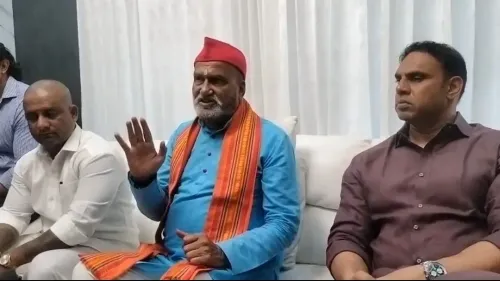
Jamaat-e-Islami Hind Karnataka State Secretary Mohammed Yusuf Kanni backed the Karnataka government's position, invoking India's secular and democratic character. He said all communities had contributed to the country's freedom struggle and welcomed the easing of hijab-related restrictions, arguing it would improve educational access and social inclusion for Muslim girls.
Background and BJP Response
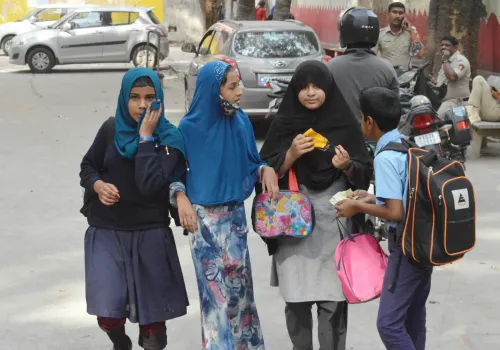
The hijab controversy in Karnataka first peaked in early 2022, when several government pre-university colleges in Udupi barred students wearing the hijab from classrooms, triggering protests across the state and a prolonged legal battle. The Karnataka High Court upheld the ban at the time, a ruling that was subsequently challenged in the Supreme Court, where the matter remains pending before a larger bench.
The BJP has argued that uniform dress codes are essential to maintaining a secular environment in government schools and colleges, and that the Congress move amounts to selectively accommodating one community. The party's sharp reaction to Siddaramaiah's latest remarks signals that the issue is likely to remain a flashpoint ahead of local body elections in the state.
What Happens Next
No formal government order has been issued as yet; the current controversy stems from ministerial statements rather than a policy notification. Legal experts note that the matter ultimately rests with the Supreme Court, whose larger bench ruling — when it comes — will set binding precedent for all states. Until then, school administrations in Karnataka are likely to face continued uncertainty over implementation.
Point of View
Tilak, and kalawa alongside the hijab, the party is attempting to neutralise the charge of minority appeasement. The real test is whether that framing holds with voters or simply hands the BJP a consolidation narrative ahead of local polls. Notably, the government has issued no formal order; this is a battle of press statements, not policy — which means the Supreme Court, not Vidhana Soudha, will eventually settle it. The saffron shawl exclusion, meanwhile, is the sharpest edge here: it signals that the Congress is drawing a distinction between religious practice and political symbolism, a line the BJP is unlikely to accept quietly.
NationPress
1 Oct 2026
Frequently Asked Questions
What triggered the fresh hijab row in Karnataka in May 2025?
The row was triggered by statements from Chief Minister Siddaramaiah defending students' right to wear constitutionally protected religious symbols — including the hijab — in educational institutions, while ruling out saffron shawls. The BJP responded sharply, reigniting a debate that first peaked in 2022.
Has the Karnataka government withdrawn the school dress code?
No. Minister Priyank Kharge explicitly stated that the dress code has not been withdrawn. The government's position is that all constitutionally recognised religious practices must be given equal space within existing rules.
Why are saffron shawls excluded while the hijab is permitted?
Minister Kharge argued that the saffron shawl is not a recognised religious practice, unlike the hijab, turban, tilak, or kada. The Congress position is that only practices with a constitutional religious basis qualify for protection under its framework.
What is the current legal status of the Karnataka hijab ban?
The Karnataka High Court upheld a hijab ban in 2022, but the ruling was challenged in the Supreme Court, where the matter is pending before a larger bench. No final binding verdict has been delivered, leaving the legal position unsettled.
Who is affected by the Karnataka government's stance?
The policy position primarily affects Muslim girl students in Karnataka government schools and pre-university colleges who wear the hijab. More broadly, it affects school administrations navigating conflicting signals while the Supreme Court case remains unresolved.