Escalating Violence Against Women in Bangladesh: A Call for Urgent Action
Synopsis
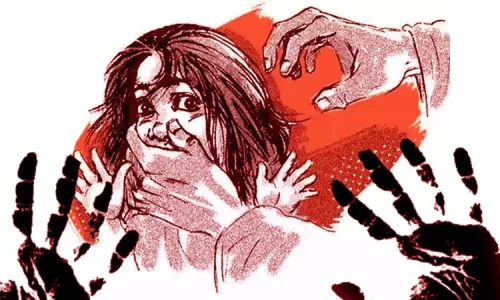
In Bangladesh, reports of violence against women and children are on the rise, sparking concerns despite existing protective laws. The Awami League emphasizes the need for effective governance and accountability to combat this troubling trend.
Key Takeaways
776 reported rape cases in 13 months highlight public safety concerns.
Existing laws like the 'Women and Children Repression Prevention Ordinance' have not been effectively enforced. 'One-stop crisis' centers are facing operational challenges.
Violence against women is often addressed through informal village arbitration.
There is a significant gap between legislation and its implementation.
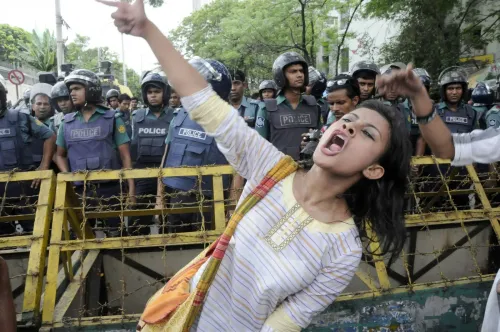
Dhaka, April 13 (NationPress) Recent reports indicate a troubling surge in violence against women and children in Bangladesh, with minimal signs of progress, despite the existence of strict laws like the 'Women and Children Repression Prevention Ordinance', as emphasized by the Awami League on Monday referencing various critiques.
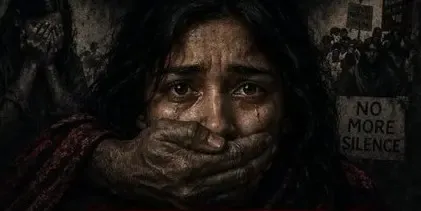
The party noted that in the 13 months leading up to February 2026, there were 776 reported rape cases, raising alarming questions about public safety.
This data comes in the wake of continuous promises from various administrations to safeguard the rights and security of women and girls.
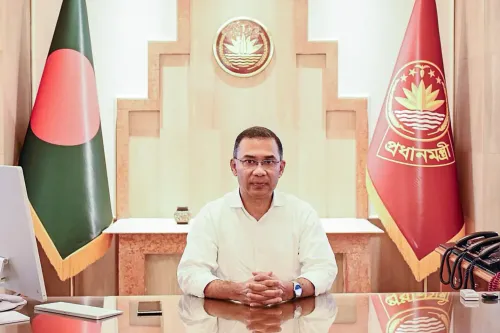
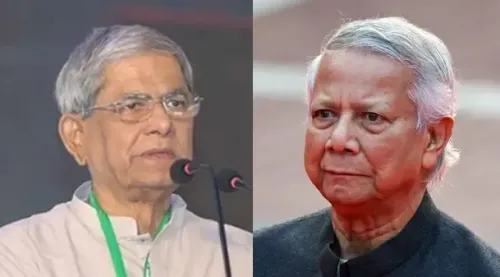
Critics have accused both the previous interim government led by Muhammad Yunus and the current Bangladesh Nationalist Party (BNP) administration of ineffectively tackling these issues.
“Observers suggest that many advisors in the Yunus-led government had previously been involved in NGOs and advocacy initiatives—such as organizing protests and discussions aimed at enhancing women's protections. However, once they assumed power, their initiatives fell short, as laws were enacted but enforcement mechanisms weakened,” stated the Awami League.
“Concerns have also emerged regarding the effectiveness of 'one-stop crisis' centers, which had been vital during the Awami League's previous governance. These centers are reportedly facing challenges in maintaining proper functionality,” it continued.
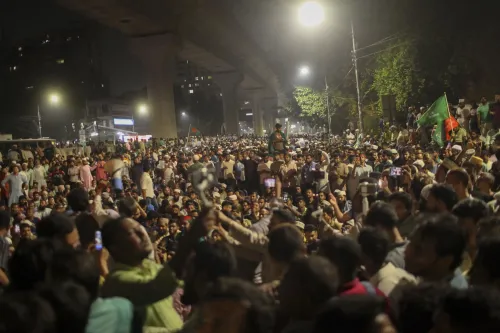
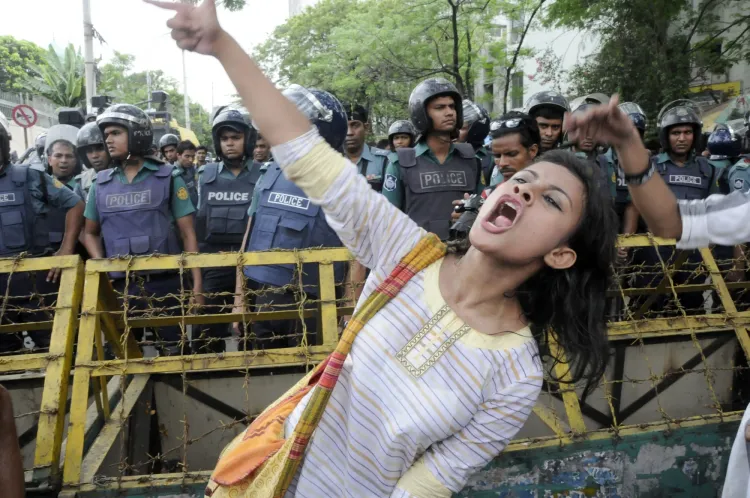
The Awami League highlighted that law enforcement has faced criticism, particularly concerning a lack of accountability following police attacks during the July 2024 protests, alleging that the Yunus administration did not pursue justice adequately and that the current government has made limited moves to boost police morale or strengthen law enforcement.
They cited claims that individuals associated with the BNP government have secured powerful roles in the police and judiciary ahead of the February 12 national elections but have not effectively upheld the rule of law.
In certain regions, the Awami League reported that incidents of violence against women are being resolved through informal village arbitration instead of formal judicial proceedings, raising significant concerns about accountability and justice.
“Analysts assert that the disparity between stringent legal frameworks and the rising number of reported cases indicates a considerable gap between legislation and its practical application. They caution that these discrepancies may have led to preventable tragedies, including the cases of a teenage girl in Narsingdi and a seven-year-old child in Sitakunda,” the Awami League noted, shedding light on the increasing violence against women and children.
Critics assert that this situation “highlights broader issues concerning governance, accountability, and the political will” necessary to effectively address violence against women and children in Bangladesh.
Point of View
It is crucial to recognize the escalating violence against women and children in Bangladesh. The gap between legislative intent and practical enforcement raises significant questions about governance and accountability, necessitating urgent reforms.
NationPress
22 Sept 2026
Frequently Asked Questions
What recent trends have been observed regarding violence against women in Bangladesh?
There has been a notable increase in violence against women and children, with 776 reported rape cases in the past 13 months, highlighting serious public safety concerns.
What laws exist to protect women and children in Bangladesh?
The 'Women and Children Repression Prevention Ordinance' is among the stringent laws aimed at safeguarding the rights of women and children.
How effective are the enforcement mechanisms for these laws?
Critics argue that while laws are in place, enforcement mechanisms have been weakened, leading to ineffective protection and accountability.
What role do 'one-stop crisis' centers play in addressing violence against women?
These centers were previously essential in providing support but are now reportedly struggling to function effectively.
What are the broader implications of this violence?
The situation raises critical questions about governance, accountability, and the political will needed to combat violence against women and children in Bangladesh.