Vishu: A Cultural Celebration Evolving in Modern Kerala
Synopsis
Discover how Vishu has transformed from a strictly religious observance into a vibrant cultural celebration in modern Kerala, uniting diverse communities and adapting to contemporary lifestyles.
Key Takeaways
Vishu is a celebration that bridges generations and communities.
The Vishukkani symbolizes prosperity and is a central ritual.
Adaptations include pre-packaged celebratory kits.
Vishu Kaineettam serves as a blessing ritual among families.
The festive sadya remains a culinary highlight of the event.
Thiruvananthapuram, April 15 (NationPress) In modern-day Kerala, Vishu has gracefully expanded beyond a mere religious ritual, transforming into a collective cultural celebration that resonates with various communities, lifestyles, and generations.
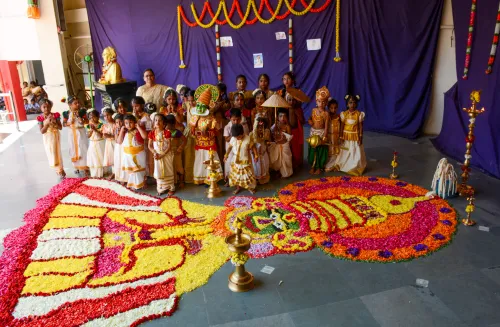
Originating from Hindu mythology, the festival now embodies a spirit of inclusivity, as individuals from different backgrounds embrace its traditions, symbols, and seasonal joy. Celebrated as the commencement of the Malayalam New Year, Vishu occurs on the first day of Medam, usually coinciding with April 14 or 15 in the Gregorian calendar. This year, the festivities are observed on a Wednesday.
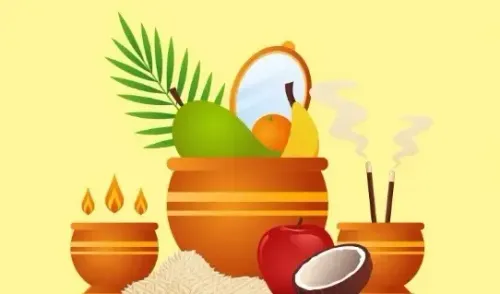
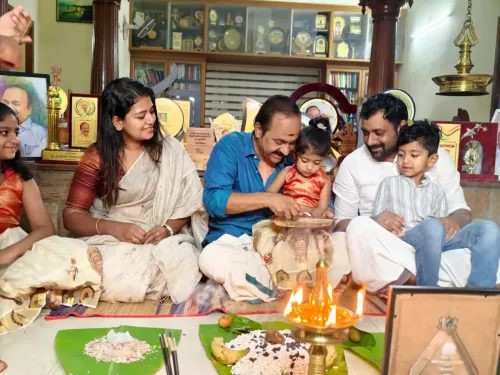
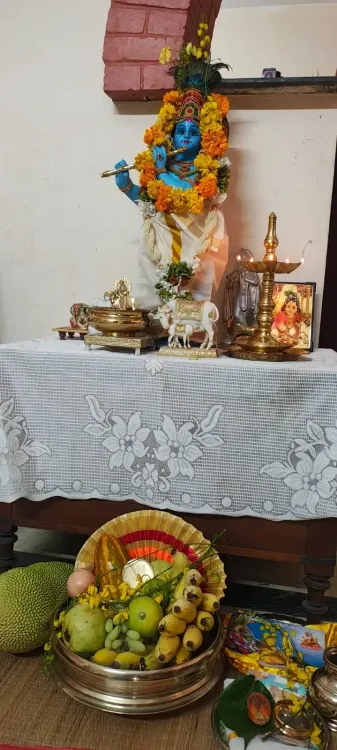
As a public holiday in Kerala, the day unfolds as a fusion of tradition and modernity. Central to Vishu is the Vishukkani — the meticulously arranged first sight of the day, believed to bring prosperity and good luck. Traditionally set up by women in the family, the kani consists of an image or idol of Lord Krishna, seasonal fruits and vegetables, flowers, gold ornaments or coins, and a mirror, all elegantly placed in a shiny uruli.
While the core essence remains unchanged, the observance has adapted over time. Nowadays, supermarkets offer pre-packed Vishukkani kits, with prices reaching up to Rs 800, showcasing both convenience and a trend towards commercialization.
Equally valued is the custom of Vishu Kaineettam, where elders present money to younger family members as a token of their blessings. Temples across the state see significant attendance, while many families choose to celebrate in quieter, more intimate ways.
The evolving social landscape is perhaps most evident in what has diminished. The large joint family gatherings that once characterized Vishu mornings have become increasingly uncommon, influenced by migration, work demands, and a shift towards nuclear families. Yet, the visual signature of the day remains strong — women clad in kasavu sarees, men in mundu, and children in traditional outfits, providing a comforting sense of continuity.
Food plays a pivotal role in the celebration. The elaborate Vishu sadya, often featuring up to 26 dishes, continues to be a highlight, though regional variations exist. While southern and central Kerala predominantly stick to a vegetarian menu, some northern regions incorporate non-vegetarian dishes, alongside the tradition of bursting firecrackers on Vishu eve.
For businesses, Vishu represents a significant opportunity. The jewellery and textile sectors experience a seasonal uptick, while restaurants have transformed the festive meal into a commercial offering, with packaged sadya meals ranging from Rs 300 to Rs 2,500.
In its transformed essence, Vishu today encapsulates both identity and adaptation, reflecting the dynamic rhythms of Kerala itself.
Point of View
Highlighting both its traditional roots and contemporary transformations. It reflects the cultural significance of the celebration while acknowledging the evolving familial structures and societal changes.
NationPress
23 Sept 2026
Frequently Asked Questions
What is the significance of Vishu?
Vishu marks the beginning of the Malayalam New Year and is celebrated with various customs symbolizing prosperity and good fortune.
What does the Vishukkani consist of?
The Vishukkani includes an idol of Lord Krishna, seasonal fruits, vegetables, flowers, gold items, and a mirror, all arranged in a uruli.
How has the celebration of Vishu changed over time?
The celebration has become more inclusive, with a blend of traditional and modern practices, including ready-made Vishukkani kits available in supermarkets.
What is Vishu Kaineettam?
Vishu Kaineettam is the ritual where elders give money to younger family members as a blessing during the festival.
What is typically served during the Vishu sadya?
The Vishu sadya often features up to 26 dishes, primarily vegetarian in southern and central Kerala, with some northern regions including non-vegetarian options.