Mixed Reactions to West Bengal Government Employees' Cease-Work Protest
Synopsis
Kolkata's government employees staged a 'cease-work' protest to demand Dearness Allowance payments, drawing a mixed response across the state. Despite resistance from ruling party affiliates, support for the strike was significant.
Key Takeaways
The cease-work protest reflects employees' dissatisfaction with DA payments.
Participation varied across different sectors, with schools heavily involved.
The opposition leader has pledged support for those facing repercussions.
The Supreme Court ruling on DA payments remains unaddressed by the government.
Resistance from ruling party affiliates highlights political tensions surrounding the protest.
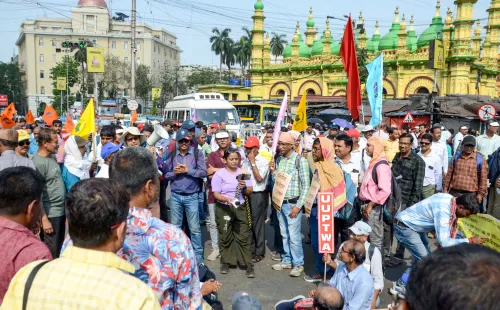
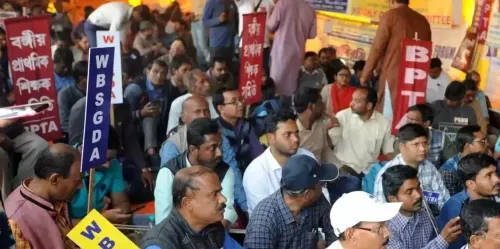
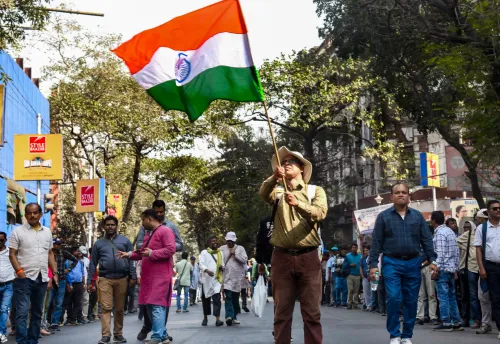
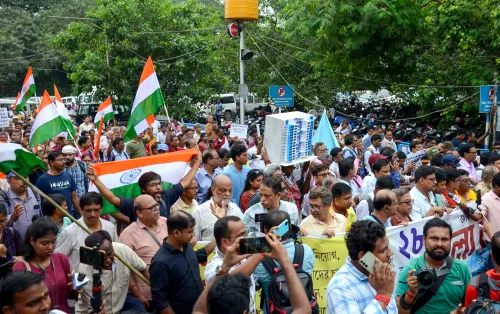
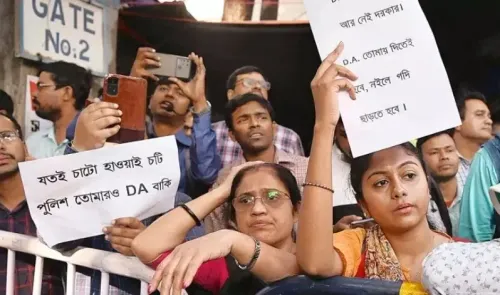
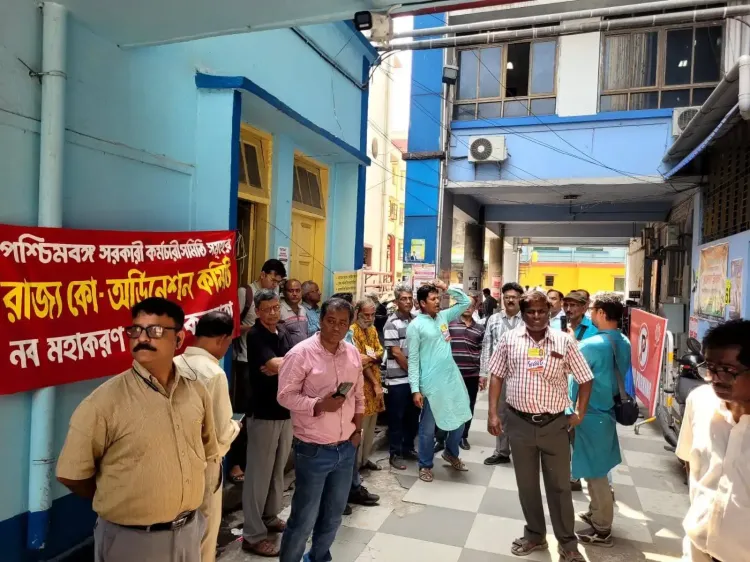
Kolkata, March 13 (NationPress) The 'cease-work' demonstration initiated by multiple associations of West Bengal government employees, united under the Sangrami Joutho Mancha (Joint Movement Forum) on Friday, aimed to voice their dissatisfaction regarding the alleged reluctance and inaction of the government on the issuance of Dearness Allowance (DA). This protest garnered a varied response across different state government offices in the region.
While the cease-work did not disrupt operations in all government offices statewide, certain locations witnessed a notable participation. The most significant effect was observed in various state-run and state-supported schools, where many teachers joined the protest.
Operations at several courts, including the Calcutta High Court, were also impacted as employees engaged in the cease-work.
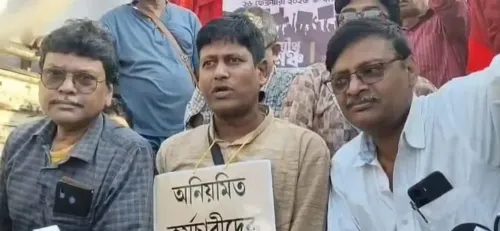
At the conclusion of the day, forum convener Bhaskar Ghosh asserted that despite considerable resistance from the ruling Trinamool Congress-affiliated employees' association, who attempted to obstruct the protest with police intervention, the participation in the strike was substantial.
Expressing support for the cease-work, the Leader of the Opposition in the West Bengal Assembly, Suvendu Adhikari, stated that he would stand by any state employee facing punitive actions for their participation in the protest.
“The call for a cease-work by state government employees received overwhelming support. If any individual faces repercussions for not attending work today, I will back the affected government employees and teachers,” Adhikari remarked.
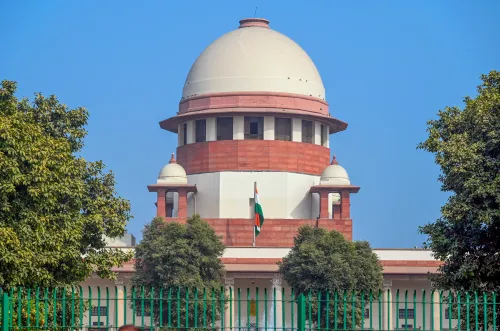
According to the Joint Movement Forum, the state government has exhibited clear signs of neglecting the Supreme Court's recent directive, which required the payment of 25% of DA arrears from 2008 to 2019 by March 31. Additionally, the court instructed that a systematic approach be taken to ensure DA payments for employees match those of Central government employees, including the arrears accumulated since 2008.
“However, up to now, there have been no initiatives from the state government regarding the disbursement of the 25% DA arrears accrued between 2008 and 2019 by the March 31 deadline. Instead, the state has approached the Supreme Court once more, requesting an extension until December this year to fulfill the 25% DA arrears payment. Consequently, we resolved to execute a comprehensive cease-work today,” Ghosh stated.
Point of View
Highlighting issues of governance and accountability. The mixed responses indicate varying levels of support for the protest, while the potential repercussions for participants raise important questions about the relationship between government authority and employee rights.
NationPress
22 Sept 2026
Frequently Asked Questions
What was the purpose of the cease-work protest?
The cease-work protest aimed to express dissatisfaction regarding the West Bengal government's hesitation in disbursing Dearness Allowance (DA) to its employees.
Which organizations coordinated the protest?
The protest was organized by various associations of West Bengal government employees under the Sangrami Joutho Mancha (Joint Movement Forum).
What was the response to the protest?
The protest received a mixed response, with significant participation observed in state-run schools and some courts, while other government offices continued operations as usual.
What are the implications of the Supreme Court's ruling?
The Supreme Court mandated that the state government must pay 25% of the DA arrears from 2008 to 2019 by March 31, and ensure alignment of DA payments with Central government staff.
What support did the opposition leader offer?
Suvendu Adhikari, the Leader of the Opposition, expressed solidarity with the protesters and promised to support any employee penalized for participating in the strike.