Why Did WFP Suspend Operations in South Sudan's Baliet County?
Synopsis
The recent attack on a WFP convoy in South Sudan's Baliet County has led to the suspension of humanitarian operations in the region. This incident highlights the ongoing challenges faced by organizations delivering vital aid in conflict zones, raising urgent concerns for the safety of humanitarian workers and the communities they serve.
Key Takeaways
The UN WFP has halted operations in Baliet County after an attack on its convoy.
Over 1,500 metric tonnes of food assistance were targeted.
Local authorities failed to provide necessary security during the attack.
WFP calls for government action to recover stolen items.
The safety of humanitarian workers is paramount in conflict zones.
Juba, Feb 4 (NationPress) The United Nations World Food Programme (WFP) announced on Wednesday the suspension of its operations in Baliet County, South Sudan, due to an attack on its river convoy that took place last week.
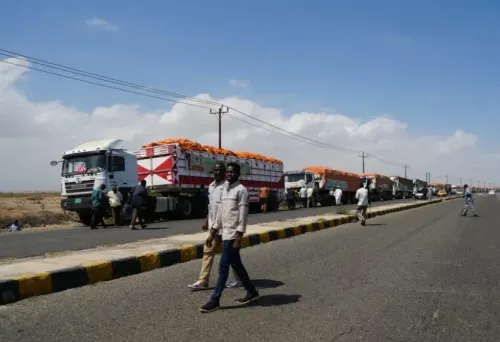
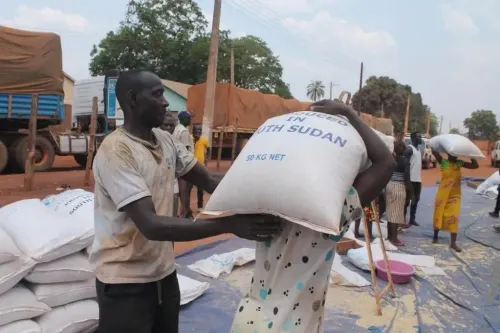
The WFP reported that a convoy consisting of 12 boats, carrying over 1,500 metric tonnes of essential food aid, was targeted multiple times by armed youths between January 30 and February 1.
The shipment, which included non-food items for partner organizations, was reportedly looted overnight by local community members at different sites within Baliet, according to Xinhua News Agency.
Despite having received security assurances and guarantees from local authorities for safe passage of humanitarian operations, the looting transpired overnight without any intervention from county officials,” stated the WFP in a release from Juba, the capital of South Sudan.
The organization indicated that this incident has compelled it to cease all operations in the county until the safety and security of its personnel, partners, and contractors can be guaranteed.
The UN food agency urged the government to take immediate action to recover the stolen goods, emphasizing that assaults on humanitarian workers are intolerable.
“We strongly appeal to all parties in the conflict to honor the vital role of humanitarian staff and ensure the protection of the facilities and resources essential for delivering humanitarian assistance,” the statement read.
The WFP expressed significant concern regarding recent events in Jonglei State, where crucial humanitarian infrastructure has suffered greatly due to armed clashes between government forces and opposition groups.
Reports indicate that critical infrastructure, such as warehouses and healthcare facilities, has been damaged in incidents across Akobo, Ayod, Nyirol, and Uror counties, where the South Sudan People's Defence Force and the opposition Sudan People's Liberation Army-in-Opposition have been engaged in conflict since December 2025.
The WFP highlighted that a combination of accessibility challenges and bold attacks on humanitarian convoys jeopardizes its ability to assist more than 4.2 million of the most vulnerable individuals, including women, men, and children.
It also noted that ongoing insecurity in volatile Jonglei has forced the agency to delay its plans to preposition 12,000 metric tonnes of food ahead of the rainy season.
Point of View
The WFP’s decision to suspend operations in Baliet County underlines the pressing security challenges that humanitarian organizations face in delivering aid. While the need for assistance is acute, the safety of aid workers must be prioritized. It is essential for authorities to improve security measures to protect both humanitarian efforts and the vulnerable populations they serve.
NationPress
22 Sept 2026
Frequently Asked Questions
What led to the suspension of WFP operations in Baliet County?
The WFP suspended its operations due to an attack on its river convoy by armed youths, which resulted in lootings despite prior security assurances.
How much food was being transported by the WFP convoy?
The convoy was carrying over 1,500 metric tonnes of essential food assistance.
What has the WFP requested from the government?
The WFP has called on the government to take immediate action to recover the stolen items and ensure the safety of humanitarian workers.
How many people are at risk of losing aid due to this incident?
The WFP indicated that the incident jeopardizes assistance for more than 4.2 million vulnerable individuals.
What is the situation in Jonglei State regarding humanitarian assistance?
Jonglei State has faced severe impacts on humanitarian infrastructure due to ongoing armed conflicts, complicating aid delivery.