Why is the White House Supporting Criticism of Fed Chair Powell?
Synopsis
In a bold defense, the White House supports President Trump's criticisms of Fed Chair Jerome Powell amid ongoing debates about interest rates and Federal Reserve independence. With the Department of Justice set to investigate, this situation could have significant implications for the economy. Stay tuned as we unpack the ramifications of these high-stakes remarks.
Key Takeaways
The White House supports President Trump’s critiques of Jerome Powell.
The Department of Justice will investigate potential legal matters.
Trump believes interest rates should be reduced significantly.
Tensions between the White House and Federal Reserve are not uncommon.
This situation could impact global market perceptions.
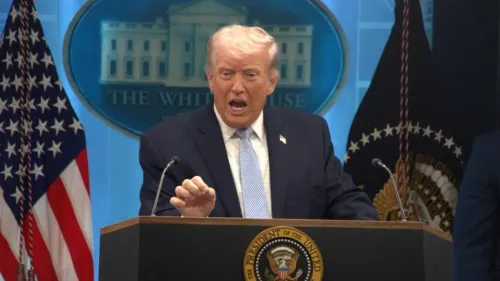
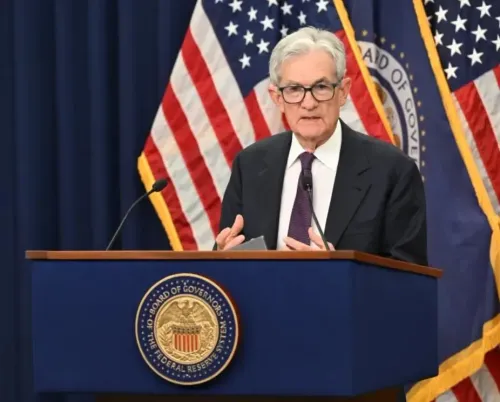
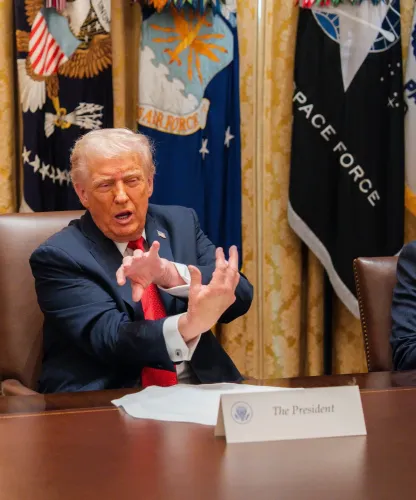
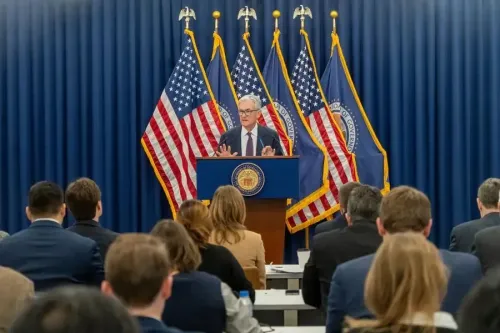
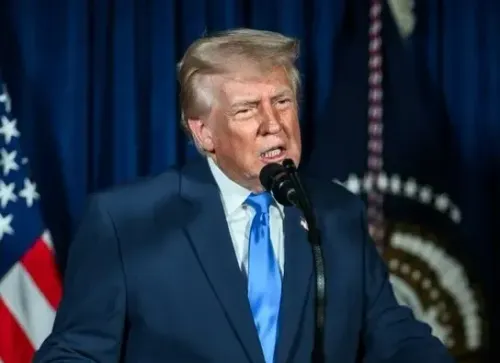
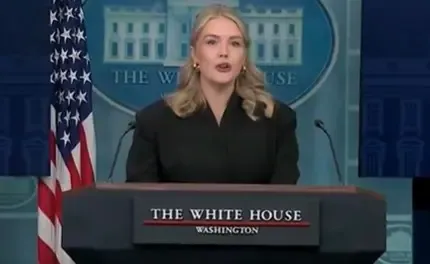
Washington, Jan 13 (NationPress) The White House has come to the defense of President Donald Trump’s ongoing criticisms directed at Federal Reserve Chairman Jerome Powell, emphasizing that the Department of Justice will ascertain if any legal matters are at play.
Press Secretary Caroline Leavitt stated that the President has been unequivocal in his evaluation of Powell’s performance. “One thing is certain: the President has made it abundantly clear that Jerome Powell is not performing well in his role,” Leavitt remarked.
She noted that Trump has the right to express this opinion publicly.
“The President is entitled to criticize the Fed chair. He possesses a First Amendment right, just like all of you,” she added.
When queried about whether the President had instructed the Justice Department to initiate an investigation into Powell, Leavitt responded straightforwardly.
“No,” she replied.
Leavitt conveyed that any conclusions regarding potential criminality lie exclusively with law enforcement officials.
“As for whether or not Jerome Powell is a criminal, that’s a determination the Department of Justice will need to make,” she stated.
She emphasized that the administration has not interfered with that investigation.
“It appears they intend to uncover that,” she remarked.
Leavitt also addressed inquiries about the Federal Reserve’s autonomy.
“He has stated that numerous times,” she said when asked if the President believes the Fed should function independently.
Simultaneously, she reiterated Trump’s stance on interest rates.
“The President has made it very clear, as have numerous economists, that interest rates ought to be reduced, and they should have been lowered a long time ago,” she commented.
Leavitt refrained from discussing Senate actions concerning Federal Reserve nominees.
“I haven't discussed Senator Tillis’ remarks with the President,” she noted.
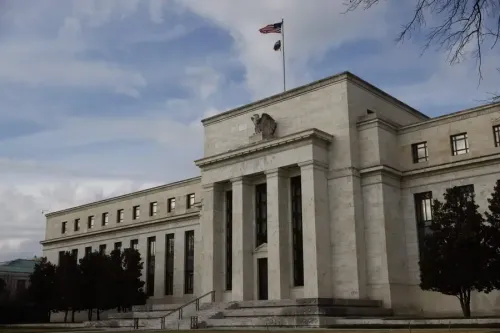
The Federal Reserve operates independently from the White House, yet tensions between presidents and Fed chairs are common during times of high inflation or economic strain.
Interest rate policies continue to be a pivotal issue for markets, consumers, and global investors, including those in developing nations such as India.
Point of View
It's crucial to remain impartial while reporting on the dynamic interactions between the White House and the Federal Reserve. The ongoing criticisms of Jerome Powell by President Trump highlight the significant tensions that can arise during economic challenges. While such remarks may be politically charged, they also reflect broader concerns about monetary policy and its impact on the economy.
NationPress
22 Sept 2026
Frequently Asked Questions
What has the White House said about Jerome Powell?
The White House has defended President Trump's criticisms of Fed Chair Jerome Powell, asserting that the President has a right to express his views publicly.
Is there an investigation into Jerome Powell?
The Department of Justice will determine if any legal issues exist regarding Jerome Powell, but the White House has clarified that the President did not direct an investigation.
What is the President's stance on interest rates?
President Trump has indicated that interest rates should be lowered, a sentiment echoed by various economists.
Does the Federal Reserve operate independently?
Yes, the Federal Reserve operates independently of the White House, although tensions can arise during periods of economic stress.
What is the significance of this situation?
This situation highlights the complex relationship between fiscal policy and governance, especially during times of economic uncertainty.