South India theatre footfall vs North: ticket price cap is the key difference
Synopsis
A Delhi multiplex charges Rs. 700 for a ticket; the same chain in Chennai sells for Rs. 190. That near four-fold gap, trade experts argue, explains why South Indian theatres run at over 70% occupancy while North Indian cinema-going has collapsed to one or two films a year per person — and why the multiplex-as-luxury-product model is cannibalising its own audience.
Key Takeaways
South Indian theatres maintain occupancy rates above 70% , driven by state-enforced and union-backed ticket price caps .
The same multiplex chain charges Rs.
700 in Delhi versus Rs.
190 in Chennai — a near four-fold difference.
Trade analyst Girish Wankhede says no equivalent price regulation exists in North India .
Theatre owner Vishek Chauhan of Purnia, Bihar says northern audiences have cut cinema visits from 10–12 films to one or two films per year.
Chauhan argues that multiplex chains like INOX and Cinepolis have positioned themselves as luxury products, pricing out their core audience.
With OTT platforms steadily drawing audiences away from cinema halls, multiplexes and single screens across India are grappling with declining footfall. Yet a closer look reveals a stark regional divide — theatres in South India continue to draw large, regular crowds, while cinema-going has increasingly become an occasional event in the North. Industry experts point to one structural factor above all others: ticket pricing caps.
The Ticket Price Gap
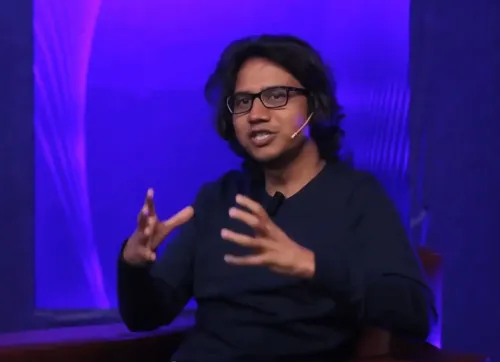
Trade analyst Girish Wankhede identified price regulation as the single most important differentiator. 'The only difference between the South and us is that there they have a slab on ticket pricing. Which means they cannot sell tickets above a certain price, but there is no such limit in the North,' he said.
Because tickets remain affordable, Wankhede noted, regular occupancy rates at theatres in the South exceed 70%. He added that 'associations and unions in the South have not allowed the ticket rates to go above a certain point,' a form of collective self-regulation that simply does not exist in comparable form in northern states.
How High Prices Are Killing Frequency in the North
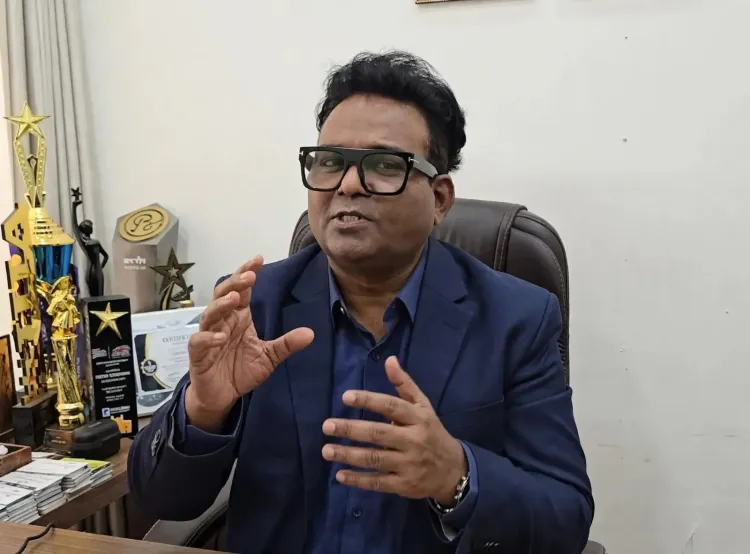
Vishek Chauhan, a fourth-generation theatre owner from Purnia, Bihar, framed the impact in stark, consumer-behaviour terms. According to Chauhan, steep prices have collapsed viewing frequency: 'If they used to watch 10–12 films in a year, now they come to watch one or two films in a year.'
He illustrated the price chasm with a direct comparison: 'What is the difference between Chennai and Delhi? In Delhi you have to sell for Rs. 700 and the same chain in Chennai is selling for Rs. 190.' That nearly four-fold difference in price for the same multiplex brand speaks to how radically pricing strategies diverge across India's regional exhibition markets.
Multiplexes as Luxury Products — and Why That Excludes Most Viewers
Chauhan offered a pointed critique of how major multiplex chains have positioned themselves. 'BDR, INOX and Cinepolis — these are all luxury planes; these are all lifestyle products; they pitch themselves. They talk to the richest people in this country,' he said. His analogy was direct: just as an ordinary citizen feels intimidated entering a five-star hotel even if they can technically afford it, the premium positioning of these chains creates a psychological and financial barrier for a large segment of the potential audience.
'We have to make spaces for them. Because the real audience is the same,' Chauhan added, arguing that the exhibition sector's pricing strategy is structurally alienating its own core base.
What This Means for Indian Cinema's Future
This comes amid a broader industry conversation about sustainable theatrical models in the OTT era. The South Indian model — where state-level price caps, strong fan culture, and accessible ticket prices converge — offers a potential template. Notably, blockbuster performances by South Indian films in national and global markets have coincided with consistently high domestic occupancy, suggesting that affordability and cultural investment feed each other.
Whether northern exhibition chains and state governments will move toward price regulation or alternative affordability mechanisms remains an open question — but experts like Wankhede and Chauhan argue the current trajectory is unsustainable for the industry at large.
Point of View
And once audiences stop going regularly, the habit breaks permanently. The irony is that the same chains operating in Chennai at Rs. 190 are evidently viable, which undermines the argument that high northern prices are a cost necessity. Northern state governments and exhibition associations have so far shown no appetite for the kind of collective price governance that southern counterparts have maintained for decades — and the occupancy data suggests that inaction has a measurable cost.
NationPress
29 Sept 2026
Frequently Asked Questions
Why do South Indian theatres have higher footfall than those in North India?
South Indian theatres benefit from state-level and union-enforced ticket price caps that keep cinema affordable and accessible, resulting in occupancy rates above 70%. In North India, no comparable price regulation exists, and higher ticket costs have significantly reduced how often audiences visit cinemas.
What is the ticket price difference between Chennai and Delhi multiplexes?
According to trade expert Vishek Chauhan, the same multiplex chain charges Rs. 700 per ticket in Delhi and only Rs. 190 in Chennai — a near four-fold gap. This price disparity directly affects how frequently audiences in each region choose to watch films in theatres.
How have high ticket prices affected cinema-going habits in North India?
Vishek Chauhan, a fourth-generation theatre owner from Purnia, Bihar, says that northern audiences who once watched 10 to 12 films a year now visit cinemas only once or twice annually. He attributes this decline directly to the steep ticket prices charged by multiplex chains.
Do South Indian states have laws capping cinema ticket prices?
Yes, according to trade analyst Girish Wankhede, associations and unions in South India have collectively enforced a ceiling on ticket prices that prevents theatres from charging beyond a certain amount. This regulatory culture has no equivalent in most North Indian states.
Are multiplexes like INOX and Cinepolis considered affordable for ordinary audiences?
According to Vishek Chauhan, chains like INOX and Cinepolis have positioned themselves as luxury lifestyle products targeting affluent consumers, making ordinary audiences feel excluded. He argues the industry must create more inclusive spaces to serve what he calls 'the real audience.'