What Steps is Bhupender Yadav Taking to Address Air Pollution in Rohtak, Manesar, Panipat, and Karnal?
Synopsis
In a concerted effort to combat air pollution, Minister Bhupender Yadav has initiated action plans for key NCR cities. His commitment to addressing high PM10 levels and solid waste management issues is evident as he collaborates with state officials. Discover the comprehensive strategies being implemented to ensure cleaner air and sustainable urban environments.
Key Takeaways
PM10 levels in NCR cities are concerning.
Action plans are in place for Rohtak , Manesar , Panipat , and Karnal .
Focus on data collection for industrial compliance.
Increased monitoring through CAAQMS .
Awareness and stakeholder engagement are essential for pollution control.
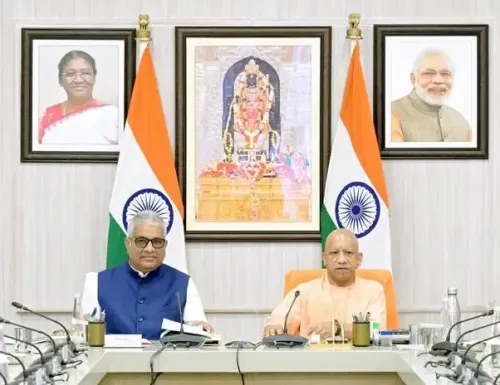
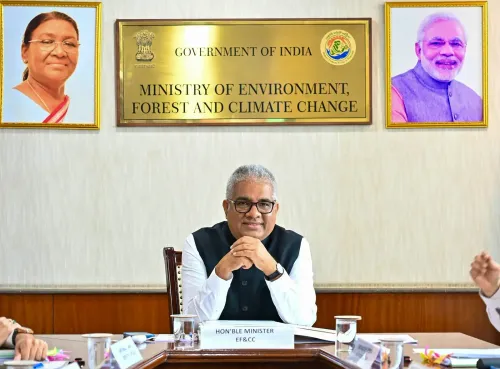
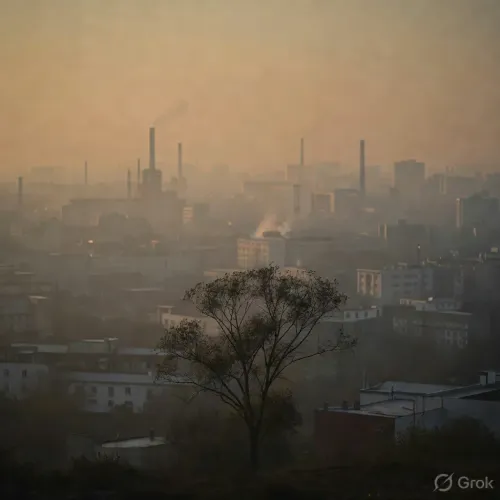
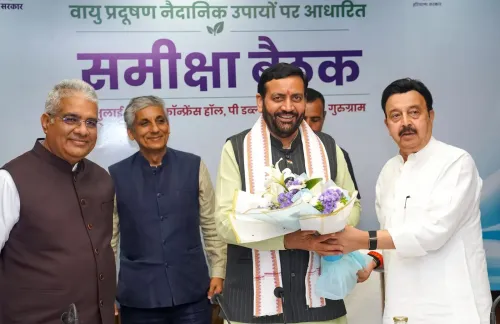
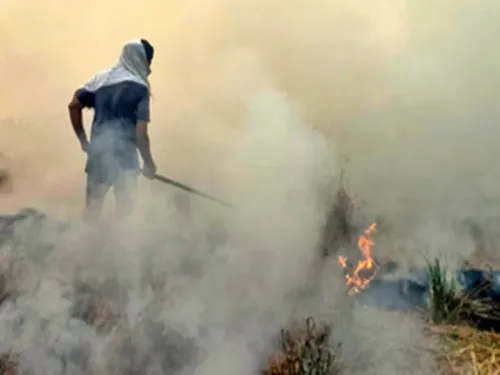
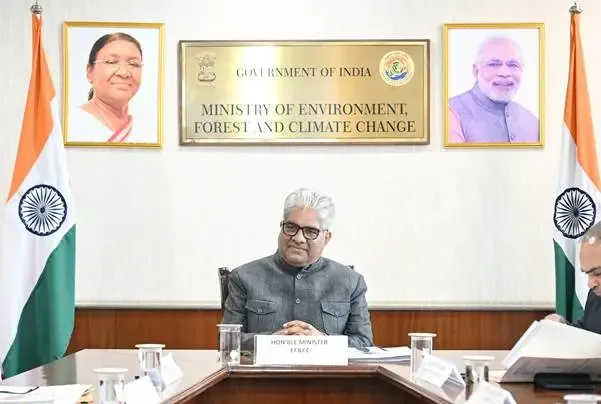
New Delhi, Jan 20 (NationPress) Environment, Forest and Climate Change Minister Bhupender Yadav raised alarms regarding the elevated levels of PM10 and ongoing challenges related to solid waste management in various NCR cities of Haryana.
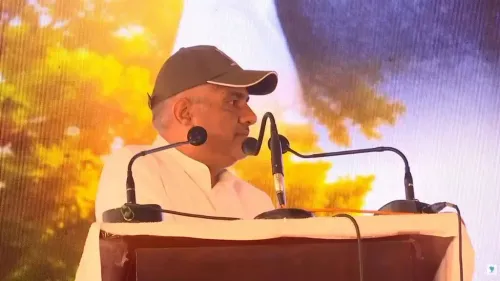
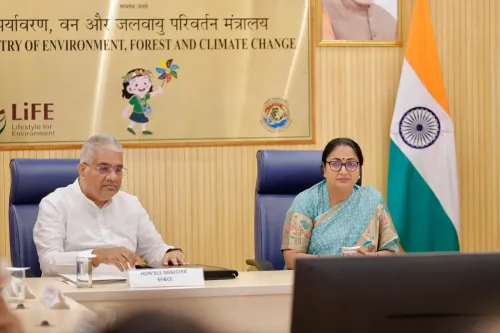
During the assessment of the Action Plans for Rohtak, Manesar, Panipat, and Karnal aimed at combating air pollution, Yadav indicated that he would organize a meeting with Haryana Chief Minister Nayab Singh Saini to discuss these pressing issues.
Yadav promised swift funding and approvals for pollution control initiatives, stressing that all NCR cities should fall under the National Clean Air Programme (NCAP) umbrella.
While reviewing the presentations, he instructed that detailed data be gathered on industries operating with and without Consent to Establish (CTE) and Consent to Operate (CTO).
The Minister directed all District Magistrates/District Collectors in NCR to compile data on CTO/CTE permissions, the total number of commercial electricity connections, and industrial units registered with GST.
This data should be analyzed to pinpoint illegally functioning and non-compliant industrial entities, particularly concerning OCEMS and Air Pollution Control Device (APCD) installations.
Yadav called for an increase in the number of automated Continuous Ambient Air Quality Monitoring Stations (CAAQMS) linked with the SAMEER App for real-time air quality assessments.
He highlighted the necessity of robust awareness initiatives among stakeholders whose activities contribute to pollution.
The Minister noted that smaller municipal corporations should be equipped with suitably sized commercial electric vehicles for public transit, taking into account road dimensions and passenger traffic.
The importance of utilizing Mechanical Road Sweeping Machines (MRSMs) and handheld litter pickers was emphasized, with instructions to procure only EV/CNG-based machines under the Op-Ex model.
In terms of dust control measures, directives were issued for the plantation of native bush varieties in open areas and on sidewalks, along with prompt repair of potholes.
The Minister also requested the submission of both short-term and long-term smart traffic management plans for all the cities reviewed, aimed at reducing congestion and vehicle emissions.
Point of View
It's crucial to highlight the proactive measures being taken by Minister Yadav. The ongoing challenges of air pollution and waste management are critical issues that affect public health and sustainability. The collaboration between state and central authorities is key to addressing these environmental concerns effectively.
NationPress
12 Oct 2026
Frequently Asked Questions
What are the major pollution issues in NCR cities?
The primary concerns include high PM10 levels and ineffective solid waste management.
What is the National Clean Air Programme?
The NCAP is an initiative aimed at improving air quality across cities in India.
How will action plans be implemented?
Action plans will be reviewed and funded to ensure timely execution of pollution control measures.