Young Dharma Parliament 2026 concludes in Ujjain; CM Mohan Yadav addresses closing session
Synopsis
The Young Dharma Parliament 2026 wrapped up in Ujjain with Madhya Pradesh CM Mohan Yadav urging youth to see dharma not as ritual but as a living principle of truth, compassion and social responsibility. Held at Geeta Bhawan in one of India's seven sacred cities, the three-day national gathering sought to bring the next generation into India's oldest traditions of intellectual and spiritual inquiry.
Key Takeaways
The Young Dharma Parliament 2026 concluded on 19 September 2026 at Geeta Bhawan , Ujjain .
MP Chief Minister Mohan Yadav addressed the closing session, calling dharma a guiding principle rooted in truth, compassion and discipline.
The three-day national event brought together saints, scholars, intellectuals, teachers, researchers and young participants from across India.
Mithileshsharan Nandini Maharaj called for the programme to continue as a platform for guiding youth toward cultural and social responsibility.
Ujjain , one of India's seven sacred cities , was chosen as the venue given its historic significance as a centre of religious and intellectual traditions.
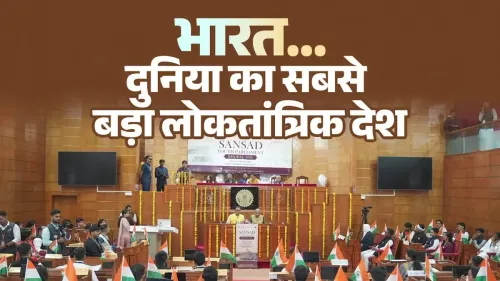
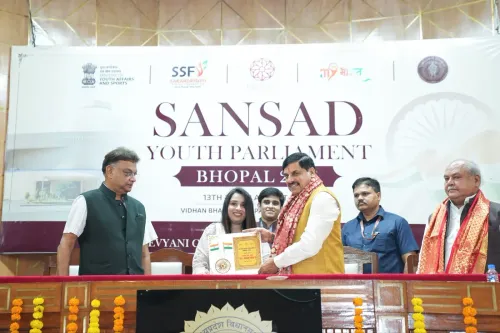
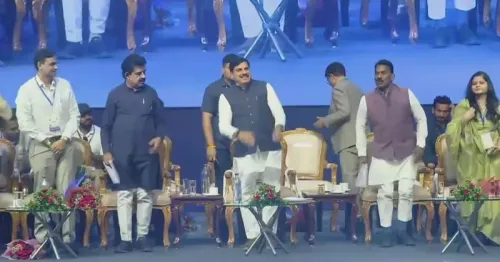
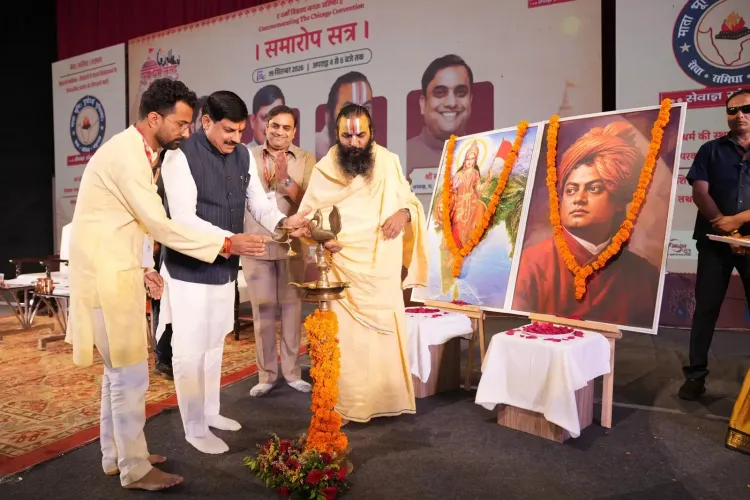
The three-day Young Dharma Parliament 2026 concluded on Saturday, 19 September 2026 at Geeta Bhawan in Ujjain, with Madhya Pradesh Chief Minister Mohan Yadav delivering the address at the closing session. The national-level event brought together saints, scholars, intellectuals, teachers, researchers and young participants from across the country for discussions on India's spiritual traditions, cultural values and the contemporary relevance of dharma.
What the Chief Minister Said
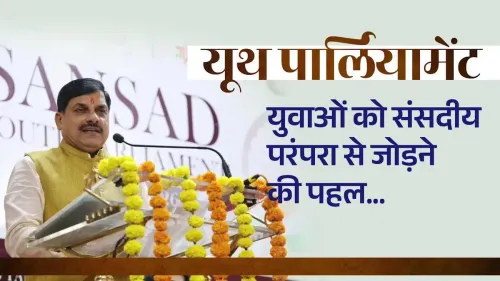
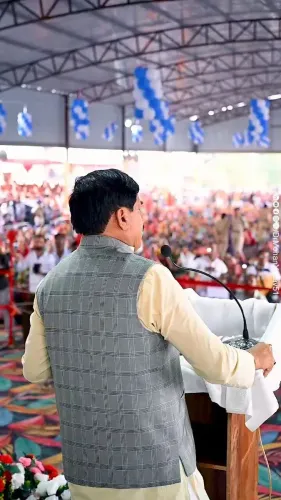
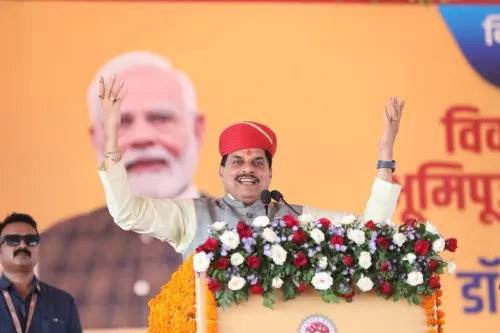
Addressing the concluding session, Chief Minister Mohan Yadav said the Young Dharma Parliament had given the younger generation an opportunity to grasp the deeper meaning of dharma and its significance in everyday life. 'The Young Dharma Parliament has inspired us to understand the essence of our dharma and embrace its true purpose. The foundation of dharma is truth, compassion and discipline,' he said.
Yadav stressed that dharma should not be reduced to religious practice alone, describing it instead as a guiding principle shaping individual conduct and social responsibility. 'Dharma is that which guides us from attachment to worldly pleasures towards detachment and shows us the path to liberation,' he added.
Historical and Cultural References
The Chief Minister drew on episodes from Indian scriptural tradition to reinforce the event's themes. He cited the life of Lord Ram and the narrative involving sage Vishwamitra as an illustration of facing adversity with courage and determination. He also referenced the friendship between Lord Krishna and Sudama at the Sandipani Ashram in Ujjain — a landmark of the city's ancient heritage — as an example of loyalty in difficult times.
Yadav extended greetings on Radhashtami, noting that the traditions associated with Radha and Krishna continue to hold a significant place in India's cultural consciousness.
India's Saint Tradition and Ujjain's Significance
The Chief Minister acknowledged the role India's saint tradition has historically played in guiding society and highlighting social contradictions. He observed that the country's cultural tradition rests on the belief that the individual and the universe are interconnected.
Ujjain, one of India's seven sacred cities, has long served as a centre of religious and intellectual life. The Young Dharma Parliament was conceived in part to reconnect young people with these traditions and examine their relevance to contemporary society.
Closing Remarks and Programme Report
Mithileshsharan Nandini Maharaj also spoke at the concluding session, underlining the importance of gratitude and calling for the Young Dharma Parliament to continue guiding young people toward an understanding of their culture, society and responsibilities. The organisers presented a formal report on the three-day programme and expressed gratitude to the saints, scholars, intellectuals and young researchers who participated.
With the 2026 edition now concluded, attention will turn to whether the event's recommendations on integrating dharmic values into youth education will be taken forward by the state or national authorities.
Point of View
Not merely religious, value for youth. What is less clear is whether the event generates substantive policy outcomes or remains a ceremonial gathering. The absence of any concrete youth-facing recommendations or follow-up mechanisms in the public record raises the question of impact beyond optics. For the ruling establishment in Madhya Pradesh, the symbolism of a sitting Chief Minister anchoring a dharma discourse in Ujjain — ahead of an election cycle — carries its own unmistakable political subtext.
NationPress
19 Sept 2026
Frequently Asked Questions
What is the Young Dharma Parliament 2026?
The Young Dharma Parliament 2026 is a three-day national-level event held in Ujjain, Madhya Pradesh, bringing together saints, scholars, intellectuals and young participants to discuss India's spiritual traditions, cultural values and the contemporary relevance of dharma. The 2026 edition concluded on 19 September at Geeta Bhawan.
What did Chief Minister Mohan Yadav say at the closing session?
Chief Minister Mohan Yadav said the event helped young people understand the deeper meaning of dharma, describing it as a guiding principle rooted in truth, compassion and discipline rather than mere religious practice. He also drew on scriptural narratives involving Lord Ram, sage Vishwamitra, Lord Krishna and Sudama to illustrate themes of courage, loyalty and detachment.
Why was Ujjain chosen as the venue?
Ujjain is one of India's seven sacred cities and has historically been a major centre of religious and intellectual traditions, making it a natural setting for a national-level event on dharma. The city is also home to the Sandipani Ashram, associated with the education of Lord Krishna, which was referenced by CM Yadav during the closing address.
Who spoke at the concluding session besides CM Mohan Yadav?
Mithileshsharan Nandini Maharaj also addressed the concluding session, stressing the importance of gratitude and urging that programmes like the Young Dharma Parliament continue to guide youth toward understanding their culture, society and responsibilities. The organisers also presented a formal report on the three-day programme.
What happens next after the Young Dharma Parliament concludes?
The organisers are expected to follow up on the three-day programme's proceedings, though no specific policy recommendations or subsequent mechanisms have been publicly announced. The broader question of whether insights from the event feed into youth education or cultural policy in Madhya Pradesh remains to be seen.