Yudh Abhyas 2026: 22nd India-US military exercise begins with 600 troops
Synopsis
The 22nd edition of Yudh Abhyas is the most expansive yet — 600 troops drilling simultaneously across two contrasting terrains, with drone warfare and autonomous systems as centrepieces. The dual-venue structure is new and signals a deliberate scaling-up of what began as a platoon-level exercise in 2002.
Key Takeaways
The 22nd edition of Exercise Yudh Abhyas commenced on 15 September 2026 with 600 personnel from the Indian and US armies.
Training is being conducted simultaneously at Auli, Uttarakhand and Mahajan Field Firing Ranges, Rajasthan — a dual-venue first.
Key focus areas include Integrated Battle Groups , infantry-dominated operations, drones , autonomous systems, and multi-domain operations.
The previous edition was held in September 2025 at Fort Wainwright, Alaska , with 450 Indian troops from the Madras Regiment .
Exercise Yudh Abhyas has been conducted annually since 2002 , when it began as a platoon-level drill.
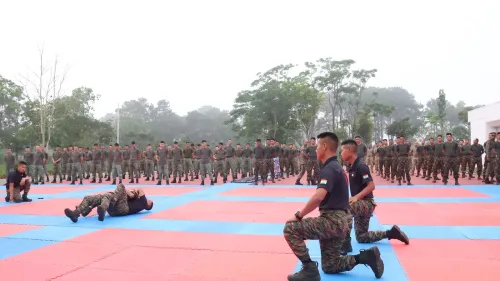
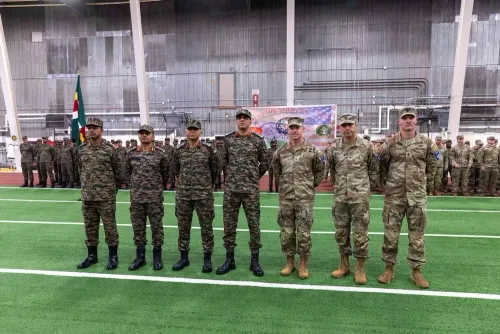
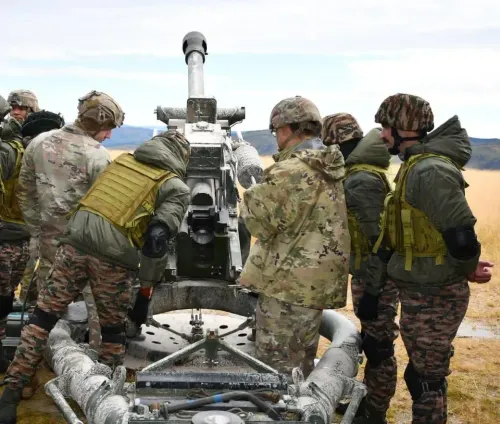
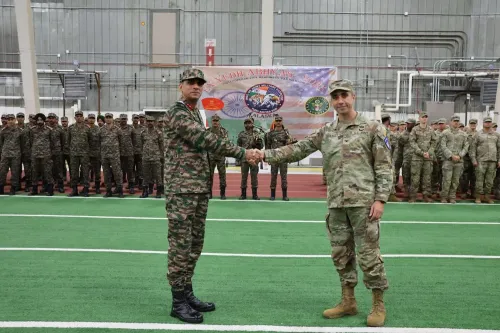
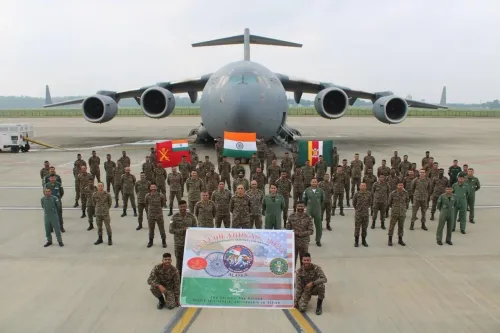
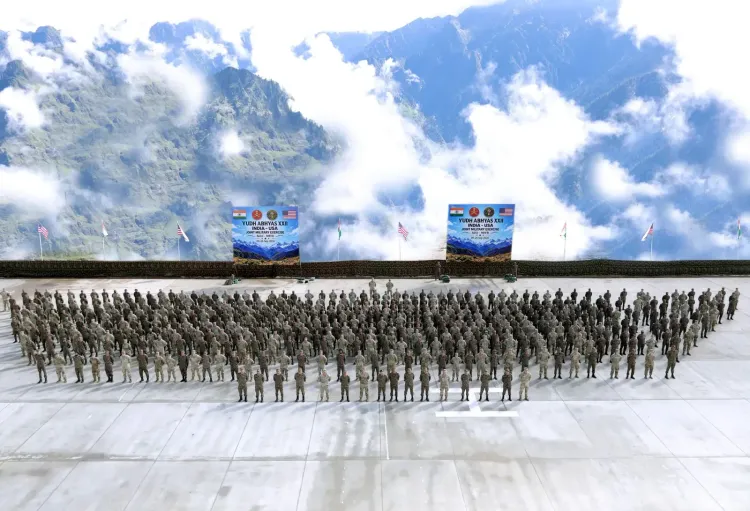
The 22nd edition of Exercise Yudh Abhyas, the flagship annual India–US Joint Military Exercise, commenced on Tuesday, 15 September 2026, with 600 personnel from both armies training simultaneously at two locations — Auli, Uttarakhand, and the Mahajan Field Firing Ranges, Rajasthan. The exercise is designed to sharpen joint military capability across mountainous and semi-desert terrain, with a sharp focus on infantry-dominated operations.
Key Objectives of This Year's Exercise
According to the Additional Directorate General of Public Information (ADGPI), which announced the commencement on X, the exercise aims to enhance the employment of Integrated Battle Groups in varied terrain conditions. It will also strengthen interoperability through exchange of operational best practices, joint planning, and coordinated execution between the two armies.
Technology infusion is a headline theme in the 2026 edition. Training will cover the employment of drones and autonomous systems for surveillance and reconnaissance, alongside exchange of expertise on emerging technologies and multi-domain operations. The Indian Army framed this as aligned to its 'JAI se VIJAY' transformation vision — a broader institutional shift toward innovation-led operational effectiveness.
What the Indian Army Said
'The integration of emerging technologies and autonomous systems underscores the Indian Army's focus on innovation and transformation, aligned to the vision of JAI se VIJAY, towards enhanced operational effectiveness. The exercise will further enhance the ability of both armies to undertake coordinated military operations across varied terrain and operational environments,' the Indian Army stated.
How This Edition Compares to Previous Ones
The 21st edition of Exercise Yudh Abhyas was held in September 2025 at Fort Wainwright, Alaska. The Indian Army contingent of 450 personnel, led by a battalion of the Madras Regiment, trained alongside US soldiers from the 1st Battalion, 5th Infantry Regiment ('Bobcats'), part of the 1st Infantry Brigade Combat Team (Arctic Wolves), 11th Airborne Division. That edition was described as one of the largest bilateral military exercises for the Indian Army in terms of troops mobilised.
Notably, the 2026 edition has been scaled to two simultaneous venues spanning high-altitude and semi-desert environments — a structural expansion that underscores the growing ambition of India–US defence cooperation. Conducting drills concurrently in Uttarakhand and Rajasthan also allows both armies to stress-test their interoperability across sharply contrasting operational theatres in a single exercise cycle.
A Two-Decade Journey of Deepening Military Ties
Exercise Yudh Abhyas was first conducted in 2002 as a relatively modest platoon-level drill. Over the past two decades, it has grown substantially in scope, participant strength, and terrain diversity. Past editions have encompassed high-altitude warfare at Auli and Chaubattia, desert manoeuvres in Rajasthan, and cold-environment training at Joint Base Lewis-McChord and Alaska. The exercise is widely seen as a barometer of India–US defence engagement, which has deepened considerably under successive bilateral frameworks including the Major Defence Partner designation and the iCET technology initiative.
What Happens Next
The exercise is expected to conclude over the coming weeks, with the two armies expected to exchange operational assessments and best practices at the end of the training cycle. The growing role of autonomous systems and drone warfare doctrine in this edition signals the direction India and the United States intend to take their military collaboration ahead of future joint operations planning.
Point of View
But a joint experiment in the kind of technology-integrated warfighting both armies expect to face. Against the backdrop of the iCET framework and India's Major Defence Partner status, Yudh Abhyas is increasingly a proving ground for the next chapter of India–US military convergence — not just a relationship signal.
NationPress
15 Sept 2026
Frequently Asked Questions
What is Exercise Yudh Abhyas?
Exercise Yudh Abhyas is an annual joint military exercise between the Indian Army and the US Army, first held in 2002 as a platoon-level drill. Over 22 editions, it has grown into a large bilateral exercise spanning multiple terrains and increasingly complex operational scenarios.
Where is Yudh Abhyas 2026 being held?
The 22nd edition is being conducted simultaneously at two locations — Auli in Uttarakhand and the Mahajan Field Firing Ranges in Rajasthan. The dual-venue format allows both armies to train across high-altitude and semi-desert environments within a single exercise cycle.
How many soldiers are participating in Yudh Abhyas 2026?
A total of 600 personnel from the Indian and US armies are participating in the 22nd edition of Exercise Yudh Abhyas.
What are the key training areas in this year's exercise?
The 2026 edition focuses on the employment of Integrated Battle Groups in mountainous and semi-mountainous terrain, infantry-dominated operations, and technology integration including drones and autonomous systems for surveillance, reconnaissance, and multi-domain operations.
Where was the previous edition of Yudh Abhyas held?
The 21st edition took place in September 2025 at Fort Wainwright in Alaska. An Indian Army contingent of 450 personnel from the Madras Regiment trained alongside US soldiers from the 1st Battalion, 5th Infantry Regiment, part of the 11th Airborne Division.