Ayushman Vay Vandana: 1.20 crore seniors enrolled, ₹3,000 crore in treatments

Synopsis
India's Ayushman Bharat ecosystem has crossed a series of milestones: 1.20 crore seniors enrolled under the Vay Vandana scheme, 12.03 crore hospitalisations covered under PM-JAY worth ₹1,80,435 crore, and zero-dose children halved in a single year. The numbers signal scale — but independent verification of care quality remains the missing piece.
Key Takeaways
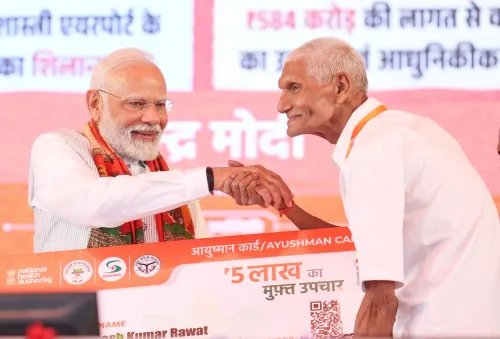
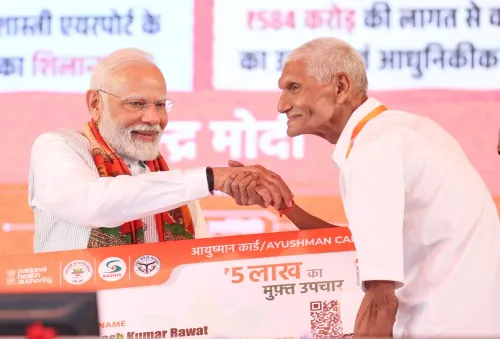
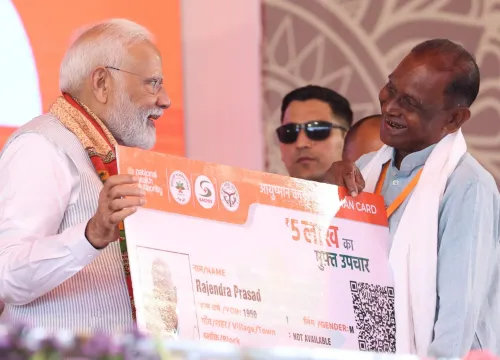
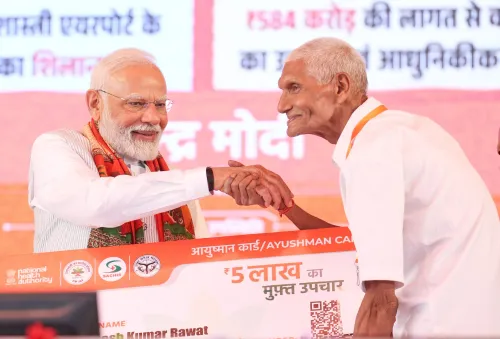
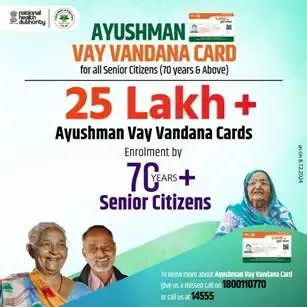
1.20 crore senior citizens enrolled under Ayushman Bharat Vay Vandana (ABVV) ; over 13.84 lakh treatments worth ₹3,000 crore delivered.
Mission Indradhanush vaccinated 5.46 crore children and 1.32 crore pregnant women ; zero-dose children fell from 0.11% to 0.06% between 2023 and 2024.
AB PM-JAY has covered 12.03 crore hospitalisations and issued 44.14 crore Ayushman Cards ; treatment worth ₹1,80,435 crore delivered.
36,218 hospitals empanelled under AB PM-JAY — 19,659 public and 16,559 private .
Over 18,000 Jan Aushadhi Kendras offer generic medicines at 50–90% below market rates; 47 crore telemedicine consultations delivered to date.
12 new AIIMS functional since 2014 ; medical college capacity more than doubled in 12 years.
More than 1.20 crore senior citizens have been enrolled under the Ayushman Bharat Vay Vandana (ABVV) scheme, with the programme delivering over 13.84 lakh treatments valued at ₹3,000 crore, the government announced on Saturday, 6 June. The figures reflect a significant expansion of India's elderly healthcare coverage under the broader Ayushman Bharat umbrella.
Mission Indradhanush: Closing the Immunisation Gap
The Mission Indradhanush vaccination drive has reached 5.46 crore children and 1.32 crore pregnant women who had previously not been immunised. Notably, the share of zero-dose children — those who have received no vaccines at all — dropped from 0.11 per cent of the population in 2023 to 0.06 per cent in 2024, a reduction the government described as a measurable public health gain.
The Universal Immunisation Programme (UIP) targets 2.67 crore newborns and 2.9 crore pregnant women every year, providing free vaccines against 12 diseases. The programme represents one of the largest state-run immunisation efforts globally by coverage volume.
AB PM-JAY: Scale of Coverage and Hospitalisations
The flagship Ayushman Bharat Pradhan Mantri Jan Arogya Yojana (AB PM-JAY) provides free health insurance of up to ₹5 lakh per family per year to socio-economically deprived households, covering approximately 40 per cent of the population — or around 12 crore families. The scheme is designed to shield these families from catastrophic out-of-pocket medical expenditure.
According to the government statement, over 44.14 crore Ayushman Cards have been issued, 12.03 crore hospitalisations covered, and treatment worth ₹1,80,435 crore delivered. A network of 36,218 hospitals has been empanelled under the scheme, comprising 19,659 public hospitals and 16,559 private hospitals.
Broader Health System Gains Since 2014
The government cited a range of systemic improvements over the past 12 years. Over 44 crore families are now covered under government health insurance schemes, and more than 1.86 lakh primary care centres have been made operational. Generic medicines are available at 50–90 per cent below market rates through a network of over 18,000 Jan Aushadhi Kendras.
The government also stated that over 47 crore telemedicine consultations have been delivered to date. Medical college capacity has more than doubled since 2014, with 12 new AIIMS now functional. Traditional medicine has been formally integrated into the public health system, the statement added. The government said it has also more than doubled its capacity to train doctors and nurses to meet rising healthcare demand.
What the Numbers Mean for Public Health
The convergence of insurance coverage, primary care infrastructure, telemedicine, and affordable medicines represents a multi-layered approach to universal health coverage — a goal India has publicly committed to under its National Health Policy. Critics, however, have previously argued that empanelment numbers and card issuance do not always translate into equitable access, particularly in remote districts. The government has not yet provided independent outcome data on quality of care across the empanelled hospital network.
With senior citizen enrolment under ABVV still scaling and the zero-dose immunisation rate now at its lowest recorded level, the coming year will test whether infrastructure gains can be sustained and deepened.
Point of View
But scale and access are not the same thing. Issuing 44 crore Ayushman Cards and empanelling 36,000 hospitals tells us about reach — it says little about whether a tribal household in Chhattisgarh or a daily-wage worker in Bihar actually received timely, quality care. The halving of zero-dose children in a single year is the most credible signal in this data set, because it is measurable and independently verifiable. The rest — telemedicine consultations, treatment value, Jan Aushadhi savings — are government self-reported figures that have never been subject to rigorous third-party audit. India's universal health coverage ambition is real, but the accountability architecture to validate it is not yet in place.
NationPress
21 Oct 2026
Frequently Asked Questions
What is the Ayushman Bharat Vay Vandana scheme?
The Ayushman Bharat Vay Vandana (ABVV) scheme is a government health coverage programme specifically for senior citizens. As of June 2025, over 1.20 crore seniors have been enrolled, with more than 13.84 lakh treatments worth ₹3,000 crore delivered under the scheme.
How many families are covered under AB PM-JAY?
AB PM-JAY covers approximately 12 crore families — around 40 per cent of India's population — providing free health insurance of up to ₹5 lakh per family per year. Over 44.14 crore Ayushman Cards have been issued and 12.03 crore hospitalisations covered, with treatment worth ₹1,80,435 crore delivered.
What has Mission Indradhanush achieved in 2024?
Mission Indradhanush vaccinated 5.46 crore previously unimmunised children and 1.32 crore pregnant women. The share of zero-dose children — those who had received no vaccines — fell from 0.11 per cent of the population in 2023 to 0.06 per cent in 2024.
How many Jan Aushadhi Kendras are operational in India?
Over 18,000 Jan Aushadhi Kendras are currently operational across India, offering generic medicines at 50–90 per cent below market rates to reduce out-of-pocket healthcare costs for citizens.
How has India's medical education capacity changed since 2014?
The government states that medical college capacity has more than doubled since 2014, with 12 new AIIMS now functional. The capacity to train doctors and nurses has also been significantly expanded to meet rising healthcare demand.