Will AI-Driven Highway Management Be Fully Implemented by 2026?
Synopsis
The Indian government is set to revolutionize road travel with the nationwide implementation of AI-powered highway management and the MLFF tolling system by 2026. This initiative promises to eliminate waiting times at toll booths, enhancing the overall commuting experience. Discover how these advancements will change the way we travel on national highways.
Key Takeaways
MLFF system eliminates toll booth delays.
AI technology enhances highway management.
Travel at speeds of 80 km/h through tolls.
Aims to reduce waiting time to zero minutes .
Expected full rollout by 2026 .
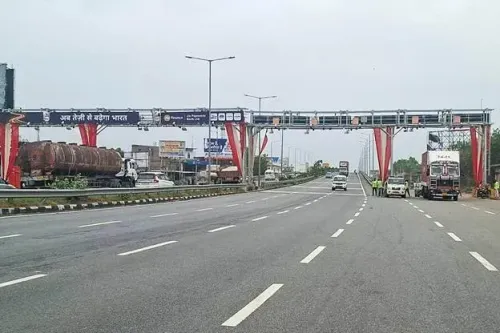
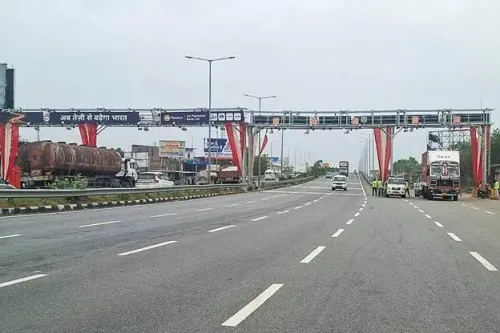
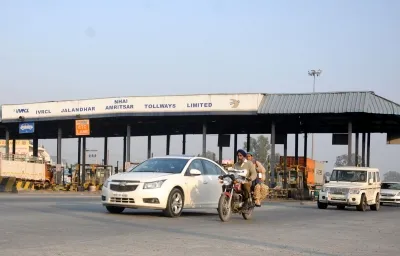
New Delhi, Dec 17 (NationPress) The implementation of the multi-lane free flow (MLFF) tolling system along with AI-enhanced highway management is anticipated to reach completion by the end of 2026, a significant development that aims to virtually eradicate waiting times at toll plazas for travelers, as disclosed to Parliament on Wednesday.
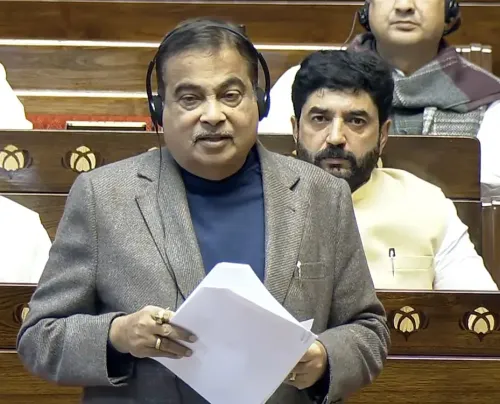
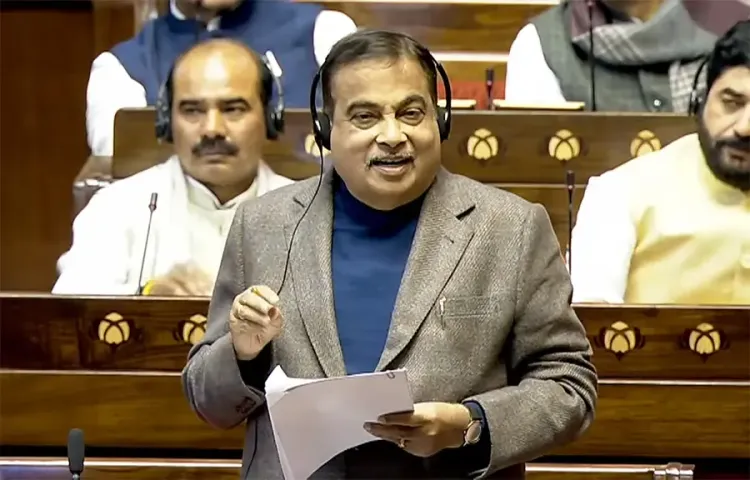
In response to a query in the Rajya Sabha, Union Road Transport and Highways Minister Nitin Gadkari emphasized that these advanced technologies are designed to eliminate delays at toll stations for users.
The newly engineered MLFF system will allow vehicles to pass through toll booths at speeds of up to 80 km/h without any hindrance.
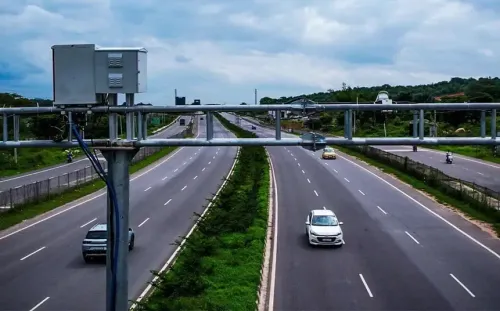
“Our objective is to reduce waiting time to zero minutes,” the minister stated, noting that the system will leverage a mix of AI-based number plate recognition, satellite tracking, and FASTag integration to automatically identify vehicles and collect tolls.
Gadkari reassured the members that the MLFF initiative will be completely executed on national highways by 2026. Once operational, it will not only prevent toll revenue leakage but also facilitate smooth traffic flow and cut down travel time on roads.
During the question hour, the road transport minister reiterated that the upcoming technology will be AI-centric. Commuters will no longer experience waiting at toll booths, leading to fuel savings and a boost in government revenue.
“The multi-lane free flow toll (MLFF) represents an exceptional service. Previously, toll payments took between 3 to 10 minutes; thanks to FastTag, this has been reduced to under 60 seconds. Our revenue has surged by at least ₹5,000 crore. With the MLFF system replacing FastTag, vehicles can now traverse tolls at a maximum speed of 80 km/h, with no stops at tolls,” the minister elaborated in the House.
Point of View
The introduction of AI-based tolling systems and highway management is a significant leap towards modernizing India's infrastructure. This initiative not only aims to streamline travel but also enhances revenue collection and reduces congestion, reflecting a forward-thinking approach by the government.
NationPress
3 Oct 2026
Frequently Asked Questions
What is the MLFF tolling system?
The MLFF tolling system allows vehicles to pass through toll booths at high speeds without stopping, using advanced technology for automatic toll collection.
When will the MLFF system be fully implemented?
The full implementation of the MLFF system is expected by the end of 2026.
How will AI contribute to highway management?
AI will be used for vehicle identification through number plate recognition and integrating satellite tracking for efficient toll collection.
What are the benefits of the MLFF system?
Benefits include reduced waiting times at tolls, improved traffic flow, and increased revenue for the government.
How fast can vehicles travel through tolls with MLFF?
Vehicles can travel through tolls at speeds of up to 80 km/h without stopping.