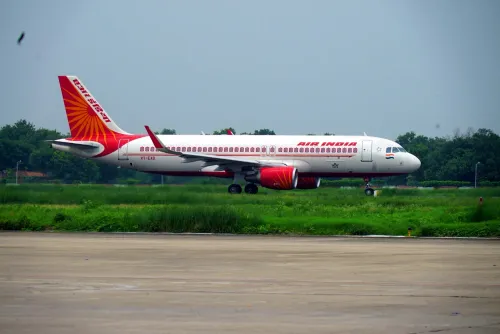
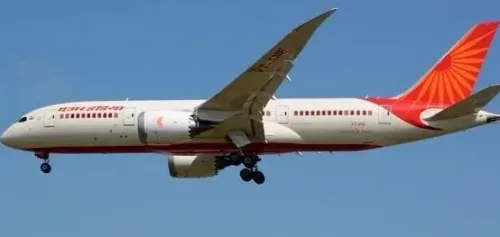
Air India denies 11 Boeing 787s grounded, cuts fuel surcharge on key routes
Synopsis
Air India pushed back hard against viral claims that 11 of its 26 Boeing 787-8 Dreamliners are grounded, insisting the aircraft are in scheduled maintenance or cabin upgrades — not out of service. On the same day, the carrier quietly cut fuel surcharges by up to $80 on North America, Australia, and Europe routes, offering meaningful relief to long-haul travellers.
Key Takeaways
Air India rejected claims that 11 of its 26 Boeing 787-8 Dreamliners are grounded, calling the reports 'factually inaccurate' on 3 July .
The airline says 3 aircraft are in cabin retrofits, 4 in heavy maintenance, 1 in line maintenance, 1 returning to India, and 2 in active service.
Social media account AviationAll had named three specific aircraft — VT-ANU , VT-ANP , VT-ANG — at European airports as grounded.
Fuel surcharge on North America and Australia routes cut to $200 from $280 .
Fuel surcharge on European routes reduced to $125 from $205 .
Air India on Friday, 3 July firmly rejected claims circulating on social media that 11 of its 26 Boeing 787-8 Dreamliner aircraft are grounded, calling the assertions 'factually inaccurate' and drawing a clear distinction between aircraft undergoing planned maintenance and those genuinely out of service. The Tata Group-owned carrier also separately announced a reduction in fuel surcharges on select international routes, offering relief to passengers flying to North America, Australia, and Europe.
What Air India Actually Said
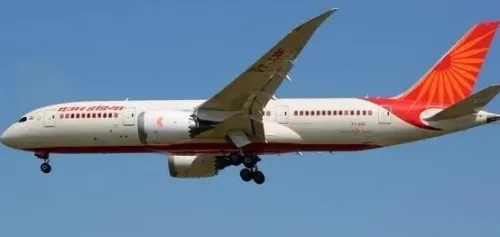
In a post on X, the airline broke down the status of its Boeing 787-8 fleet. According to Air India, three aircraft are currently undergoing cabin retrofits as part of its fleet modernisation programme, four are in scheduled heavy maintenance checks, one is undergoing routine line maintenance, one is scheduled to return to India, and two remain in active service.
'Planned maintenance or upgrades are not the same as grounded aircraft,' the airline stated, urging passengers and the public to rely exclusively on its official communication channels for accurate information.
What Sparked the Controversy
The clarification followed a wave of posts on X alleging that multiple Air India Boeing 787-8 Dreamliners were aircraft-on-ground (AOG) at European airports. One account, AviationAll, specifically named three aircraft — VT-ANU in Amsterdam, VT-ANP in London Gatwick, and VT-ANG in London Heathrow — as grounded, though it acknowledged the reasons for the aircraft being out of service were unknown.
Notably, the original claims did not distinguish between unplanned groundings and routine maintenance holds — a distinction that is standard in aviation operations but often misread by non-specialist observers.
Fuel Surcharge Cut on International Routes
In a separate development, Air India announced reductions in its fuel surcharge structure on several international sectors. The surcharge on flights to North America and Australia has been lowered to $200 from $280, while passengers on European routes will see the charge fall to $125 from $205. The move is expected to reduce the overall cost of travel on these sectors for passengers.
Fuel surcharges have been a persistent pain point for long-haul travellers on Indian carriers. This reduction comes at a time when global jet fuel prices have eased from their post-pandemic peaks, giving airlines room to pass on some savings.
Broader Context
Air India has been in the midst of a significant fleet and cabin overhaul since its return to the Tata Group. The Boeing 787-8 retrofit programme is part of a wider effort to upgrade passenger experience across its long-haul network. Heavy maintenance checks and cabin upgrades are routine and scheduled well in advance — they do not reflect operational distress.
As the airline continues its transformation, scrutiny over fleet availability is likely to remain high, making clear and timely public communication increasingly important for the carrier's reputation.
Point of View
But the fact that it needed a public clarification at all points to a communication gap the airline must close proactively. Separately, the fuel surcharge reduction is a meaningful consumer win, but its timing alongside a fleet controversy risks being underreported. For a carrier in the middle of a high-stakes transformation, narrative control matters as much as operational execution.
NationPress
2 Oct 2026
Frequently Asked Questions
Did Air India ground 11 Boeing 787-8 Dreamliners?
No. Air India has rejected those claims as 'factually inaccurate.' The airline says the aircraft in question are undergoing scheduled cabin retrofits, heavy maintenance checks, or routine line maintenance — none of which constitute a grounding in aviation terms.
Which Air India Boeing 787-8 aircraft were named in the social media claims?
Aviation tracking account AviationAll named three aircraft — VT-ANU in Amsterdam, VT-ANP in London Gatwick, and VT-ANG in London Heathrow — as out of service, though it acknowledged the reasons were unknown.
How much has Air India reduced its fuel surcharge?
Air India has cut the fuel surcharge on North America and Australia routes to $200 from $280, and on European routes to $125 from $205. The reductions are expected to lower overall ticket costs on these long-haul sectors.
Why is Air India overhauling its Boeing 787-8 fleet?
The cabin retrofits are part of Air India's broader fleet modernisation programme following its return to the Tata Group. The upgrades aim to improve passenger experience across the carrier's long-haul international network.
Where should passengers get accurate information about Air India's fleet?
Air India has urged passengers to rely only on its official communication channels for accurate information, cautioning against unverified claims circulating on social media platforms.