Andhra Pradesh launches gold production at Jonnagiri, India's largest private gold mine
Synopsis
Andhra Pradesh has begun commercial gold production for the first time, with CM Chandrababu Naidu inaugurating the Jonnagiri Gold Fields — India's largest private gold mine — backed by ₹405 crore and a roadmap to produce two tonnes annually. In a state that once gave the world the Koh-i-Noor, the launch carries both economic weight and deep historical resonance.
Key Takeaways
Chandrababu Naidu inaugurated the Jonnagiri Gold Fields project in Kurnool district on 24 June .
The project, developed by Geo Mysore Services India and Deccan Gold Mines Limited , is India's largest private-sector gold mining venture with an investment of ₹405 crore .
Annual production starts at 400 kg , scaling to 900 kg in year two and eventually 2 tonnes .
The Andhra Pradesh government will earn a 4% royalty on gold produced; the project will employ around 700 people .
Naidu announced the area will be renamed 'Suvarnagiri' and developed as a model village.
Mining begins on 600 acres in phase one, out of 1,500 acres allotted by the state government.
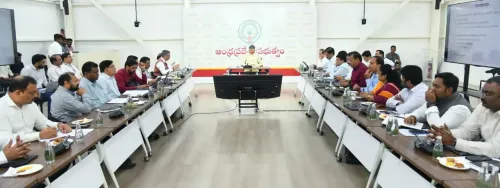
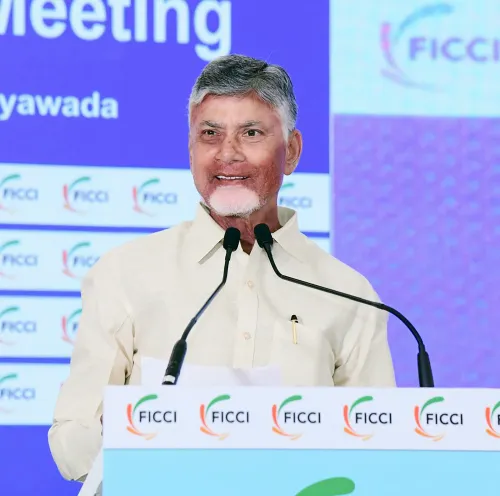
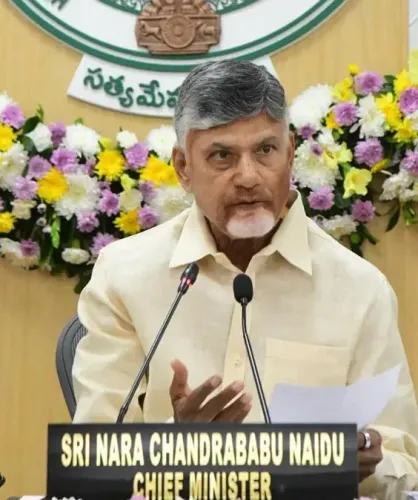
Andhra Pradesh Chief Minister N. Chandrababu Naidu on Wednesday, 24 June inaugurated a commercial gold mining and processing project at Jonnagiri in Kurnool district, marking the state's formal entry into gold production. The Jonnagiri Gold Fields project — touted as the country's largest private-sector gold mining venture — has been developed by Geo Mysore Services India Private Limited and Deccan Gold Mines Limited at an investment of ₹405 crore.
Project Scale and Production Targets
The facility is designed to produce 400 kg of gold annually in its first year, scaling to 900 kg the following year and ultimately reaching a capacity of two tonnes per annum. The state government has allotted 1,500 acres for the project, with mining operations commencing on 600 acres in the first phase. The project is expected to generate employment for approximately 700 people.
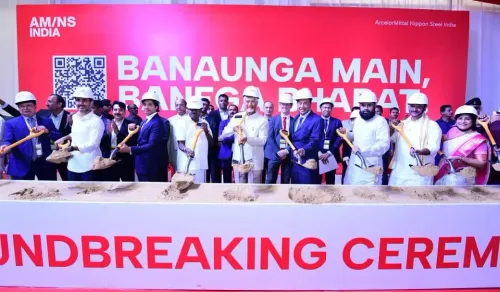
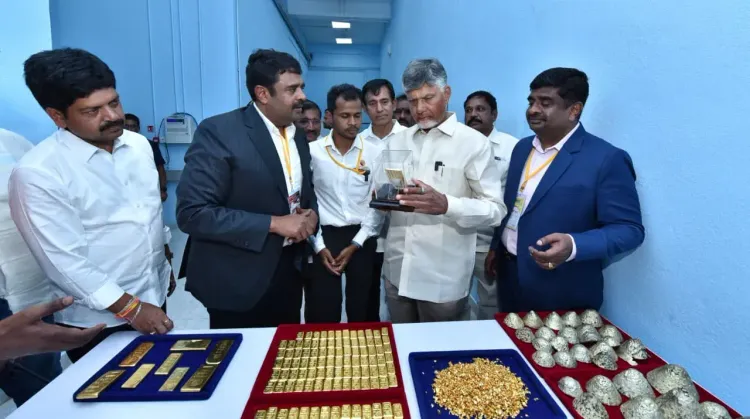
Naidu also laid the foundation stone for the project's second unit as part of the facility's expansion plans. He personally inspected the gold production process — from raw ore extraction to the final product — and examined gold biscuits produced at the site. Geo-Mysore Chairman Prabhakaran and MD Naveen Lal Chand briefed him on the production process.
Revenue and Economic Impact
The Andhra Pradesh government will receive a four per cent royalty on the value of gold produced at the mine. Naidu underscored the broader economic significance, noting that India currently imports 800 tonnes of gold annually and that, after oil, gold is the country's single largest import bill. 'One tonne of gold will be produced here annually. The annual production of one tonne of gold will help conserve some of our foreign exchange reserves. It will also generate a large number of jobs for local youth,' he said.
Historical Significance of Jonnagiri
The Chief Minister drew attention to the region's storied past, noting that Jonnagiri was once known as 'Suvarnagiri' — one of the four capitals of Emperor Ashoka. He referenced the nearby Yerragudi rock edicts of Ashoka as evidence of the region's historical prominence. 'Centuries ago, this region was renowned for its abundance of gold and gems,' Naidu said, adding that during the reign of Sri Krishnadevaraya, gems were traded in abundance across Rayalaseema. He also invoked the region's connection to the Koh-i-Noor diamond, which he said the state gifted to the world.
Renaming and Development Plans
Naidu announced that the area will be formally renamed 'Suvarnagiri' and developed into a 'Swarnagiri model village'. He also visited a training centre where women and youth are being trained on simulators to operate heavy vehicles at the mining site, and flagged off the heavy vehicles used to transport mineral-bearing soil. 'We are fulfilling our promise to transform Rayalaseema into Rathanala Seema — a land of gems and prosperity,' he said, adding that the Swarnagiri Gold Fields would soon draw national attention.
Point of View
And any domestic production dent on that import bill is economically meaningful. But the gap between a two-tonne annual capacity and India's annual gold import demand of hundreds of tonnes puts the project's macro impact in perspective; this is a symbolic and strategic start, not a structural fix. The more durable story may be the employment and royalty model: if Andhra Pradesh can demonstrate that mineral wealth can be monetised through structured private partnerships with state revenue-sharing, it sets a replicable template for other mineral-rich states. The renaming of Jonnagiri to 'Suvarnagiri' and the invocation of Ashokan history is deliberate political framing — tying economic development to civilisational identity in a region that has historically felt marginalised.
NationPress
24 Jun 2026
Frequently Asked Questions
What is the Jonnagiri Gold Fields project in Andhra Pradesh?
The Jonnagiri Gold Fields is India's largest private-sector gold mining project, located in Kurnool district of Andhra Pradesh. Developed by Geo Mysore Services India Private Limited and Deccan Gold Mines Limited at an investment of ₹405 crore, it was inaugurated by Chief Minister N. Chandrababu Naidu on 24 June.
How much gold will the Jonnagiri project produce annually?
The project is designed to produce 400 kg of gold in its first year, scaling to 900 kg the following year, and eventually reaching a full capacity of two tonnes per annum.
What revenue will Andhra Pradesh earn from the gold mine?
The state government will receive a four per cent royalty on the value of all gold produced at the Jonnagiri mine. The project is also expected to create employment for approximately 700 people in the region.
Why is Jonnagiri historically significant?
Jonnagiri was historically known as 'Suvarnagiri' and is believed to have been one of the four capitals of Emperor Ashoka. The nearby Yerragudi rock edicts of Ashoka are cited as evidence of the region's ancient prominence as a centre of gold and gem trade.
What are the expansion and development plans for Jonnagiri?
CM Naidu laid the foundation stone for the project's second unit on the same day as the inauguration. He also announced that the area will be formally renamed 'Suvarnagiri' and developed into a 'Swarnagiri model village,' with mining set to expand from 600 acres in phase one to the full 1,500 acres allotted by the state.