Andhra Pradesh revenue up 18.7% to ₹74,342 crore this FY
Synopsis
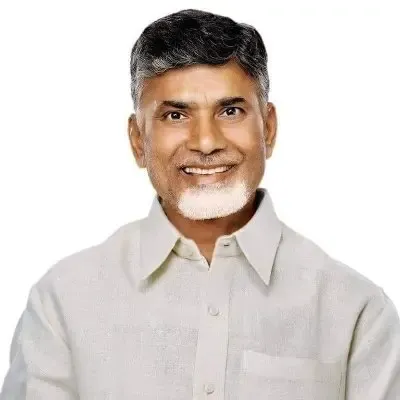
Andhra Pradesh has collected ₹74,342 crore so far this financial year, up 18.7 per cent, and reached 58 per cent of its annual target by 23 November. Chief Minister N. Chandrababu Naidu, reviewing departments in Amaravati, ordered higher collections without any new tax burden, citing AI tools, online systems and a crackdown on leakages.
Key Takeaways
Andhra Pradesh's revenue rose 18.7 per cent to ₹74,342 crore so far this financial year, up ₹11,738 crore .
The state had met 58 per cent of its ₹1,27,506 crore annual target by 23 November .
Tax revenue rose to ₹63,796 crore ( 18.8 per cent ); non-tax revenue grew 31.3 per cent to ₹2,091 crore .
Excise, including special margin, reached ₹20,083 crore ; GST receipts rose 18.1 per cent by ₹3,694 crore .
Chandrababu Naidu directed departments in Amaravati to raise collections without any additional tax burden.
An AI system is being rolled out for property tax across 123 ULBs ; commercial taxes have used an AI stack in four divisions since April .
Andhra Pradesh's revenue during the current financial year has grown 18.7 per cent to ₹74,342 crore, including special margin, officials told Chief Minister N. Chandrababu Naidu during a review in Amaravati on Wednesday. Collections have risen by ₹11,738 crore over the corresponding period last year. By 23 November, the state had achieved 58 per cent of its ₹1,27,506 crore annual revenue target.
Key Developments
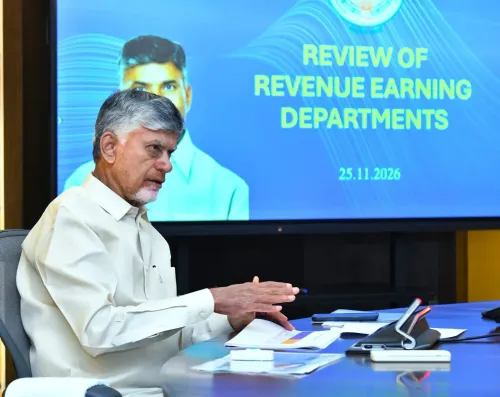
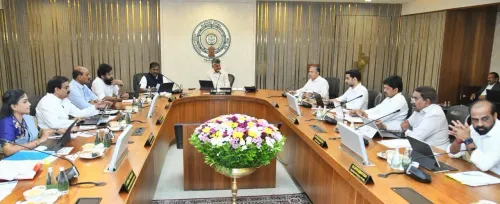
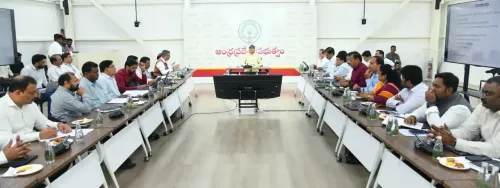
The figures were presented at a review of revenue-generating departments at the Secretariat. Tax revenue rose by ₹10,104 crore to ₹63,796 crore, from ₹53,692 crore in the year-earlier period. Tax collections grew 18.8 per cent, while non-tax revenue grew 31.3 per cent.
Non-tax receipts increased from ₹1,330 crore to ₹2,091 crore. This comes amid a push to lift collections through compliance and systems rather than fresh levies. Notably, the faster non-tax expansion is off a smaller base than core tax streams, even as overall receipts remain dominated by tax collections.
What the Chief Minister Said
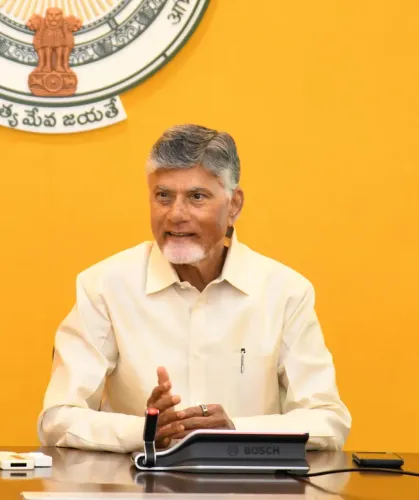
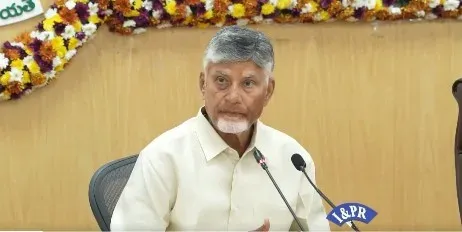
Naidu directed departments to raise revenue without imposing any additional tax burden on people. He said greater transparency, online systems and reforms across departments had contributed to the growth in government receipts.
The Chief Minister claimed that government initiatives had helped curb revenue leakages and rectify systemic shortcomings, resulting in improved performance. He also said the outcomes of development programmes being implemented across different regions of the state should be reflected in revenue growth.
The no-new-tax instruction frames the rest of the financial year: any further lift towards the full-year target will have to come from enforcement, digital scrutiny and plugging gaps, not rate increases. Officials presented the 18.7 per cent overall rise as evidence that those levers are beginning to work.
Department-wise Revenue
The Commercial Taxes Department reported an 18.3 per cent increase to ₹5,917 crore. GST revenue registered 18.1 per cent growth, rising by ₹3,694 crore.
The Excise Department, including special margin, collected ₹20,083 crore, up 19.6 per cent or ₹3,287 crore over last year. Stamps and Registration revenue increased 16.6 per cent to ₹8,020 crore. Taxes on vehicle purchases and registrations grew 17.3 per cent to ₹3,649 crore.
Revenue from the Mines and Geology Department increased 13.2 per cent to ₹2,086 crore. Forest Department receipts grew 22.3 per cent to ₹22 crore. Panchayat tax revenue stood at ₹238 crore between 1 April and 20 November. Tax collections by Urban Local Bodies reached ₹2,365 crore up to 20 November.
Excise, including special margin, is one of the largest single departmental contributors in the numbers shared with the Chief Minister. GST and commercial taxes, stamps, and vehicle-related levies form the other major pillars of the year-to-date take. Forest receipts, though among the faster-growing lines in percentage terms, remain a very small share of the overall kitty.
AI and Compliance Push
An AI-based system is being introduced for property tax collection across 123 Urban Local Bodies. The Commercial Taxes Department has been using an AI stack across four of its divisions since April this year.
According to officials, AI is being used for scrutiny of tax returns, audits, inspections and legal matters to improve efficiency and strengthen revenue collection. Naidu linked this digital layer, along with online systems, to the reduction of leakages and to the 18.7 per cent overall growth.
This is still an early-stage rollout: four commercial-tax divisions are already on the AI stack, while the property-tax tool is being extended across 123 ULBs. If the systems hold, they could matter as much as traditional enforcement in closing the gap to the ₹1,27,506 crore full-year target without new taxes.
Impact and What Comes Next
Households and businesses are, according to the Chief Minister's direction, not meant to face additional tax rates as departments chase the remaining share of the annual target. The pressure instead falls on tax administrators, urban local bodies, the excise and commercial taxes machinery, and the new AI workflows.
With a little over four months left in the financial year after late November, departments will need to sustain the current run-rate — and improve on it — to convert 58 per cent achievement into a full-target finish. The next test is whether month-on-month collections, especially in GST, excise and property tax, continue to reflect the reforms Naidu credited at the Secretariat review.
Officials are expected to keep feeding departmental dashboards to the Chief Minister as the AI property-tax rollout across 123 ULBs proceeds and the commercial-taxes AI stack is used more widely for returns, audits and inspections.
Point of View
But the mix matters more than the press note. Excise including special margin at ₹20,083 crore is a heavy slice of the ₹74,342 crore, while non-tax jumped 31.3 per cent off a small base. Hitting 58 per cent of the annual target by late November is only a halfway mark if collections hold through the last four months — and Naidu's no-new-tax order means the rest has to come from compliance, AI scrutiny and plugging leakages, not rate hikes. Whether AI stacks in four commercial-tax divisions and 123 ULBs can sustain that pace is the execution test the Secretariat review did not yet answer.
NationPress
25 Nov 2026
Frequently Asked Questions
How much has Andhra Pradesh's revenue grown this financial year?
Andhra Pradesh's revenue has grown 18.7 per cent to ₹74,342 crore so far this financial year, including special margin, an increase of ₹11,738 crore over the corresponding period last year. By 23 November the state had achieved 58 per cent of its ₹1,27,506 crore annual target.
What did Chandrababu Naidu say about taxes in Andhra Pradesh?
Chief Minister N. Chandrababu Naidu directed departments to increase revenue without imposing any additional tax burden on people. He attributed the rise to transparency, online systems, reforms, and a claimed reduction in leakages and systemic shortcomings.
Which departments contributed most to Andhra Pradesh's revenue?
Excise, including special margin, collected ₹20,083 crore, up 19.6 per cent, while tax revenue overall rose to ₹63,796 crore. GST grew 18.1 per cent (up ₹3,694 crore), commercial taxes rose 18.3 per cent to ₹5,917 crore, and stamps and registration reached ₹8,020 crore.
How is Andhra Pradesh using AI in tax collection?
An AI-based system is being introduced for property tax collection across 123 Urban Local Bodies, and the Commercial Taxes Department has used an AI stack in four divisions since April this year. Officials said AI is being applied to scrutiny of tax returns, audits, inspections and legal matters.
Has Andhra Pradesh met its full-year revenue target?
No. Against an annual target of ₹1,27,506 crore, the state had achieved 58 per cent by 23 November. Departments still have the remaining months of the financial year to close the gap without, as per the Chief Minister's direction, imposing extra taxes.