Apple service outage: iCloud, Apple Pay disrupted by internal software update
Synopsis
Apple's iCloud and Apple Pay went down on 18 November — not from a hack, but from an internal software update gone wrong. With over 2,000 Apple Pay disruption reports logged on Downdetector and Microsoft's own 12 November outage still fresh, the incident raises urgent questions about how well Big Tech tests its own code before pushing it to hundreds of millions of users.
Key Takeaways
Apple confirmed a widespread service outage on 18 November 2026 caused by an internal software update, not a cyberattack.
Affected services included iCloud and Apple Pay ; most have since been restored.
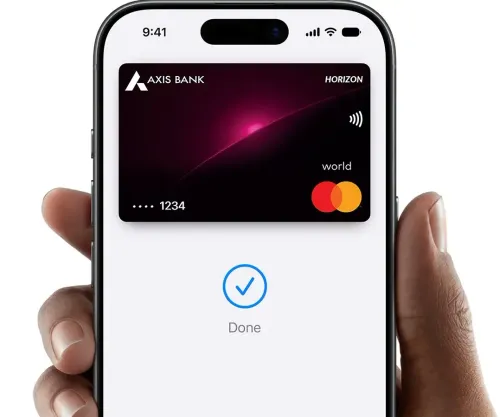
Downdetector recorded over 2,000 reports for Apple Pay and around 1,800 for iCloud at peak disruption.
The incident follows a major Microsoft 365 outage on 12 November caused by a software flaw, traffic surge, and reduced server capacity.
Apple has not yet released a detailed post-incident technical report.
Apple has confirmed it has restored most of its affected services after an internal software update triggered a widespread outage on 18 November 2026, disrupting key customer-facing platforms including iCloud and Apple Pay. The company explicitly ruled out any cybersecurity breach, attributing the disruption entirely to an in-house software change.
What Caused the Outage
An Apple spokesperson confirmed the disruption was not the result of a cyberattack. 'We are working to get the remaining systems online as soon as possible,' the spokesperson said, adding that many affected services had already been restored. The company said the trigger was an internal update that cascaded into broader service failures — a pattern increasingly common across major cloud-dependent platforms.
Scale of the Disruption
Outage-tracking platform Downdetector recorded more than 2,000 user reports related to Apple Pay and around 1,800 reports concerning iCloud at the peak of the incident. It is worth noting that Downdetector compiles reports from users and aggregated sources, and the actual number of affected users may differ from the reported figures. Users reported difficulties accessing cloud storage and completing payments through Apple Pay.
A Pattern of Big-Tech Outages
The Apple disruption is the latest in a series of high-profile technology service failures affecting major US technology companies in recent weeks. This comes shortly after Microsoft disclosed findings from its investigation into a major global disruption of Microsoft 365 services. According to Microsoft, the 12 November outage stemmed from a combination of a hidden software flaw, an unusually high volume of traffic, and reduced server capacity. The incident disrupted services including Teams, OneDrive, SharePoint, and Office applications worldwide.
Notably, Microsoft said its engineers identified the faulty code and restored services, with a detailed post-incident review and corrective action plan reportedly expected to be released later. The convergence of two major outages within days of each other has drawn fresh scrutiny to the resilience of cloud infrastructure globally.
Apple's Recovery Status
Apple said the majority of affected services had been restored, with engineers working to bring the remaining systems back online. The company has not yet released a detailed post-incident technical report, though one is widely expected. Industry observers note that internal software updates — rather than external attacks — are increasingly the root cause of large-scale platform disruptions, underscoring the need for more rigorous staged rollout protocols.
Point of View
Which is arguably more alarming: it means the threat is self-inflicted. The industry's push toward continuous deployment and rapid update cycles is compressing the time available for stability testing. Until cloud giants adopt more transparent staged-rollout standards and mandatory public post-incident reviews, outages of this scale will keep recurring — and users will keep bearing the cost of engineering decisions they had no say in.
NationPress
18 Nov 2026
Frequently Asked Questions
What caused the Apple service outage on 18 November 2026?
Apple confirmed the outage was caused by an internal software update, not a cyberattack. The update triggered cascading failures across customer-facing platforms including iCloud and Apple Pay.
Which Apple services were affected by the outage?
The outage disrupted iCloud and Apple Pay, among other services. Users reported difficulties accessing cloud storage and completing payments during the peak of the disruption.
How many users were affected by the Apple outage?
Outage-tracking platform Downdetector logged more than 2,000 reports related to Apple Pay and around 1,800 reports for iCloud at the peak. Apple has not disclosed its own figure for affected users, and actual numbers may differ.
Has Apple restored its services after the outage?
Apple said most affected services have been restored and engineers are working to bring the remaining systems back online. A detailed post-incident review has not yet been published.
How does this compare to the recent Microsoft 365 outage?
Microsoft's 12 November outage was similarly caused by an internal issue — a software flaw combined with a traffic surge and reduced server capacity — and disrupted Teams, OneDrive, SharePoint, and Office globally. The two incidents, occurring days apart, have heightened scrutiny of cloud infrastructure resilience across the industry.