Blinkit charges ₹2,500 for non-emergency ambulance rides; emergency trips stay free
Synopsis
Blinkit has served 42,000 ambulance cases over two years — all free. Now, to stop routine trips from crowding out life-or-death emergencies, it is charging ₹2,500 for non-urgent rides while keeping the emergency service free. The fee goes straight to Eternal Foundation to scale the fleet further.
Key Takeaways
Blinkit introduced a ₹2,500 flat fee for non-emergency ambulance bookings effective 5 November 2026 .
Emergency transfers remain free , as they have been since the service launched.
The service has handled 42,000 cases in two years, including nearly 20,000 emergency runs, without charging any patient.
Revenue from the non-emergency fee will go to Eternal Foundation , which operates and plans to expand the fleet.
Deepinder Goyal said non-emergency bookings were crowding out ambulance availability for critical cases, prompting the change.
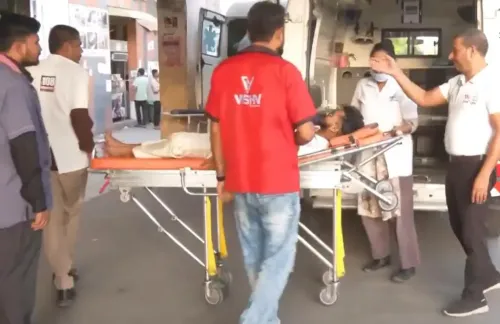
Blinkit, the quick commerce arm of Eternal, on 5 November 2026 introduced a flat fee of ₹2,500 for non-emergency ambulance bookings, while keeping emergency transfers entirely free of charge. The move is aimed at preserving fleet availability for critical, life-threatening medical situations.
Why Blinkit Made the Change
Deepinder Goyal, founder of Eternal, said the decision was driven by a growing pattern of ambulances being deployed for routine, non-urgent trips — including regular doctor consultations, scheduled check-ups, and hospital-to-home transfers that could easily be handled by conventional transport such as cabs. According to Goyal, every such non-emergency booking effectively takes a fully equipped ambulance — staffed with paramedics — off the road at a moment when someone's life might depend on its availability.
'With everything free, a growing share of bookings are for routine checkups, hospital visits and hospital-to-home transfers, trips that an Uber or private transport could have handled just as easily. Every such booking keeps a fully equipped emergency ambulance with paramedics off the road when someone's life may depend on it,' he said.
Scale of the Service So Far
Blinkit's ambulance service has handled approximately 42,000 cases over the past two years, of which nearly 20,000 were genuine emergency runs — all without charging patients a single rupee. Goyal framed the service as an extension of the ethos behind founding Zomato. 'I started Zomato with a spirit of service. Blinkit Ambulance is what that spirit of service looks like today,' he said in a post on X.
How the New Fee Structure Works
Under the revised model, emergency transfers remain free as before. Non-emergency transfers will attract a flat charge of ₹2,500, billed after the trip is completed. Goyal noted the fee is broadly in line with what private ambulance operators charge. Crucially, the revenue generated will flow to Eternal Foundation, the entity that operates the ambulance fleet, and is intended to fund further expansion of the service.
What This Means for Blinkit's 10-Minute Promise
Blinkit has built its ambulance proposition around a 10-minute response target — a benchmark the company says has already saved thousands of lives. Goyal indicated the fee is expected to substantially reduce non-emergency usage, keeping ambulances available for the cases that genuinely need them most. This comes amid broader scrutiny of how quick commerce platforms can extend their last-mile infrastructure into public health and social infrastructure roles — a space that has seen increasing interest from multiple players since 2024.
Point of View
500 figure is calibrated to match private market rates, which is smart: it deters casual use without creating a price shock. What is worth watching is whether the Eternal Foundation funding model genuinely scales the fleet or stays symbolic. Quick commerce platforms entering healthcare infrastructure raises real regulatory questions too — Blinkit operates ambulances outside the formal emergency services framework, with no public oversight of response-time standards or paramedic certification requirements. As usage scales, that gap will need addressing.
NationPress
5 Nov 2026
Frequently Asked Questions
Why is Blinkit charging ₹2,500 for non-emergency ambulance trips?
Blinkit introduced the fee because a growing share of bookings were for routine purposes — such as scheduled check-ups and hospital-to-home transfers — that could be handled by regular transport. Each such booking removed a fully equipped emergency ambulance from availability, potentially delaying response to life-threatening cases.
Are emergency ambulance rides on Blinkit still free?
Yes. Emergency transfers remain completely free of charge, as they have been since the service was launched. Only non-emergency bookings will attract the ₹2,500 fee, charged after the trip.
Where does the ₹2,500 non-emergency fee go?
According to Deepinder Goyal, the fee is channelled to Eternal Foundation, the entity that operates Blinkit's ambulance fleet. The funds are intended to help scale the service further and maintain the 10-minute response target.
How many ambulance cases has Blinkit handled so far?
Blinkit's ambulance service has handled approximately 42,000 cases over the past two years, of which nearly 20,000 were emergency runs. All of these were provided free of charge to patients.
How does Blinkit's ₹2,500 fee compare with private ambulance charges?
Deepinder Goyal stated the fee is broadly in line with what private ambulance operators typically charge for non-emergency transfers, positioning it as a market-rate deterrent rather than a punitive charge.