Gujarat's 108 ambulance service completes 19 years, saves 19.66 lakh lives
Synopsis
Gujarat's 108 Emergency Medical Service has quietly become one of India's most consequential public health interventions — dispatching an ambulance every 21 seconds, covering 62 crore kilometres, and saving 19.66 lakh lives across 19 years. As it enters its 20th year, a fleet of 1,500 ambulances and an integrated response grid underscore just how far this 2007 experiment has scaled.
Key Takeaways
Gujarat's 108 Emergency Medical Service has handled more than 1.99 crore emergency cases since its launch on 29 August 2007 .
The service has helped save over 19.66 lakh lives , according to state government data up to August 2026 .
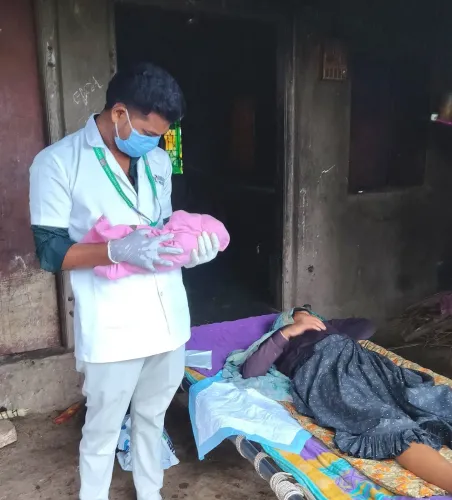
It has responded to over 62.97 lakh maternity emergencies, 24.18 lakh road accidents, and 9.87 lakh heart attack cases.
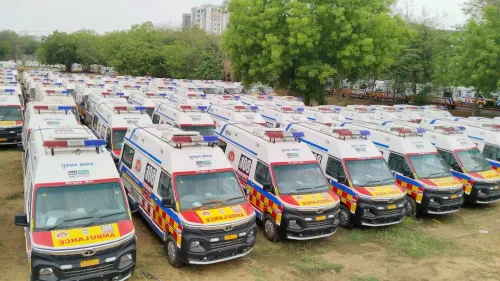
Around 1,500 ambulances are currently operational round the clock; an ambulance is dispatched every 21 seconds on average.
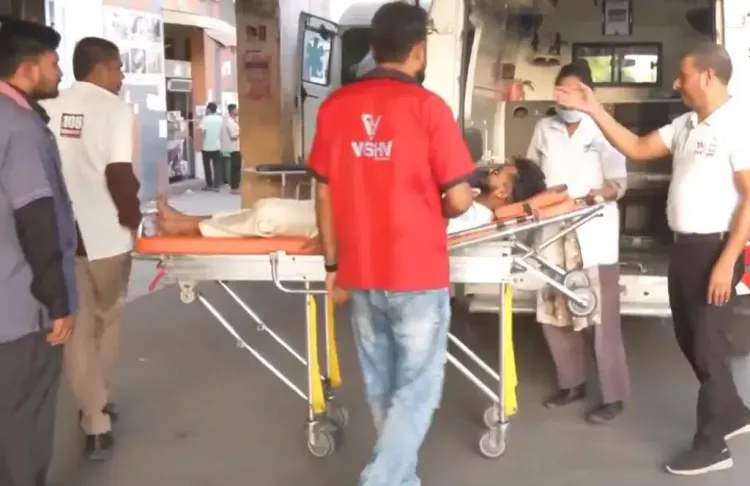
Average response time stands at 13 minutes and 9 seconds , with 4,780 patients transported to hospitals daily.
The fleet has collectively travelled more than 62 crore kilometres over 19 years .
Gujarat's 108 Emergency Medical Service has handled more than 1.99 crore emergency cases and helped save over 19.66 lakh lives since its launch on 29 August 2007, according to figures released by the state government covering the period up to August 2026. The free ambulance service has now entered its 20th year of operation, marking a significant milestone in public healthcare delivery across the state.
Scale of Operations Over 19 Years
Of the more than 1.99 crore total cases handled, over 1.96 crore were medical emergencies, more than 2.55 lakh were police-related, and over 8,000 involved fire-related incidents, according to government data. The service has responded to more than 62.97 lakh pregnancy and maternity-related emergencies, over 24.18 lakh road accident cases, more than 11.77 lakh serious respiratory cases, and over 9.87 lakh heart attack cases. The ambulance fleet has collectively covered more than 62 crore kilometres over the 19-year period.
Current Fleet and Infrastructure
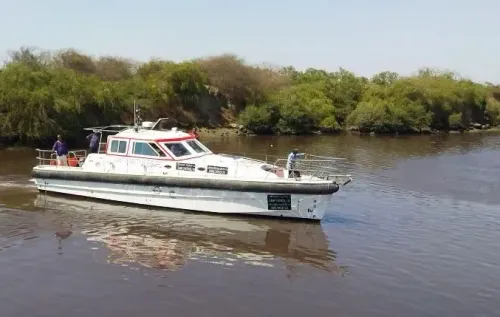
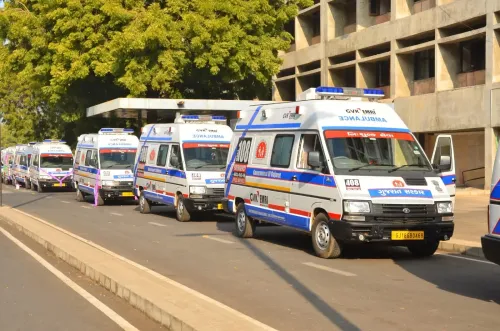
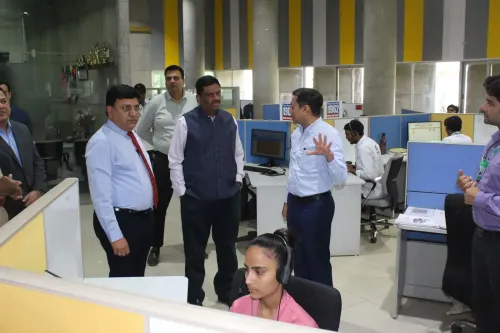
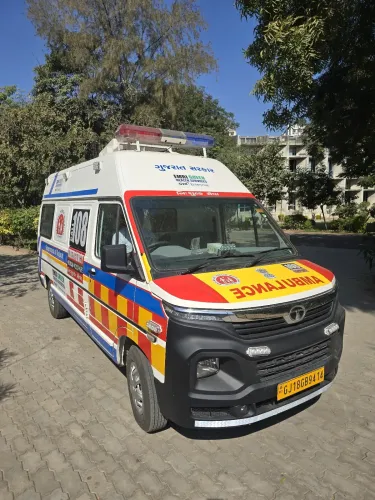
Jaswant Prajapati, Chief Operating Officer of GVR EMRI in Ahmedabad, said the service currently operates around 800 road ambulances, 38 intensive care units on wheels, two boat ambulances, and one air ambulance across Gujarat. Ambulances from 586 government health centres have been integrated into the system, bringing the total operational fleet to around 1,500 ambulances running round the clock. An advanced Emergency Response Centre at Naroda-Kathwada in Ahmedabad coordinates all dispatches.
Response Times and On-Ground Reach
A 108 ambulance is dispatched every 21 seconds on average across Gujarat, with a reported average response time of 13 minutes and 9 seconds. The service currently transports an average of 4,780 patients to hospitals every day. Rajendra Singh Sodha, a driver with the service, attributed timely arrivals to GPS systems and familiarity with local roads. 'We try to take shorter routes wherever possible and make every effort to reach patients as quickly as possible while driving carefully,' he said.
Medical Equipment and Care En Route
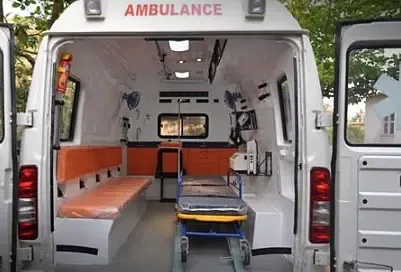
Ambulances carry equipment to manage critical emergencies during what is known as the 'golden hour' — the window immediately after a medical crisis during which treatment is most effective. Medical technician Shailesh Thakor noted that the vehicles are equipped with automated external defibrillators (AEDs), monitors, ventilators, and airway-management devices. Staff also administer cardiopulmonary resuscitation (CPR) when patients deteriorate during transport, he added.
Origins and Human Impact
The service was launched on 29 August 2007 by Prime Minister Narendra Modi when he served as Gujarat's Chief Minister, making it one of the first state-level emergency medical services of its scale in India. Beneficiaries continue to credit the service with life-saving outcomes. Ashok Sadhu, an Ahmedabad resident, said the ambulance's swift arrival played a decisive role in saving his brother's life. 'The ambulance arrived so quickly that it felt as though divine messengers have come to help,' he said. As the service enters its third decade, its expanding fleet and integrated response infrastructure signal continued growth in Gujarat's emergency healthcare capacity.
Point of View
Yet they rarely surface in national policy conversations about healthcare access. The model's quiet success, built on GPS dispatch, integrated government health centre fleets, and pre-hospital golden-hour care, offers a replicable template that several states have still not adopted at comparable scale. The persistent gap in emergency response infrastructure outside Gujarat and a few other states means millions of Indians remain without reliable prehospital care. The real question is whether the Centre's health policy architecture will draw lessons from this model and fund a national rollout, or allow it to remain a state-level success story.
NationPress
19 Oct 2026
Frequently Asked Questions
What is Gujarat's 108 Emergency Medical Service?
The 108 Emergency Medical Service is a free ambulance and pre-hospital care service launched in Gujarat on 29 August 2007. It handles medical, police-related, and fire emergencies, dispatching trained crews with advanced equipment to transport patients to hospitals during the critical golden hour.
How many lives has the 108 service saved in Gujarat?
According to state government data released up to August 2026, the service has helped save over 19.66 lakh lives since its inception. It has handled more than 1.99 crore emergency cases over its 19 years of operation.
Who launched Gujarat's 108 ambulance service?
The service was launched on 29 August 2007 by Prime Minister Narendra Modi, who was then serving as Gujarat's Chief Minister. It is one of the earliest large-scale emergency medical services launched by an Indian state government.
How quickly does a 108 ambulance respond in Gujarat?
An ambulance is dispatched every 21 seconds on average across the state, with a reported average response time of 13 minutes and 9 seconds. The service currently transports around 4,780 patients to hospitals every day.
How many ambulances currently operate under the 108 service?
Around 1,500 ambulances are currently operational round the clock under the 108 service, including roughly 800 road ambulances, 38 intensive care units on wheels, two boat ambulances, and one air ambulance, supplemented by vehicles from 586 integrated government health centres.