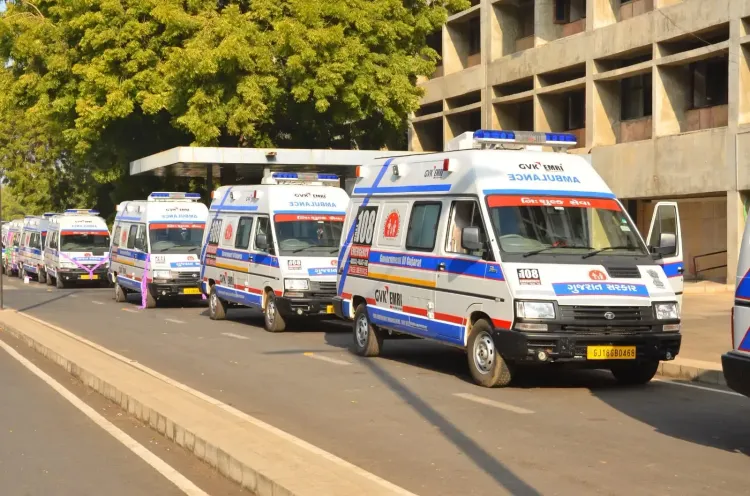
Gujarat adds 89 ambulances to cut tribal emergency response to 10 minutes
Synopsis
Gujarat's tribal districts currently wait nearly 18 and a half minutes for an ambulance — almost twice the urban average. The state is now deploying 89 new vehicles, including 12 rugged 4WD ambulances for flood-prone terrain, to slash that wait to 10 minutes. It is a targeted bet on infrastructure over time, in communities where the Golden Hour can mean the difference between life and death.
Key Takeaways
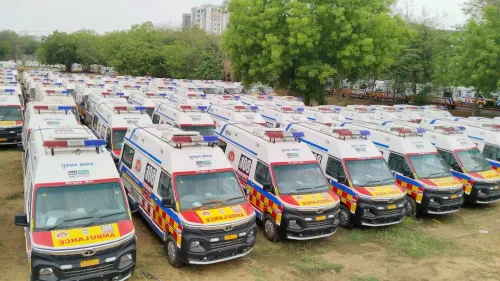
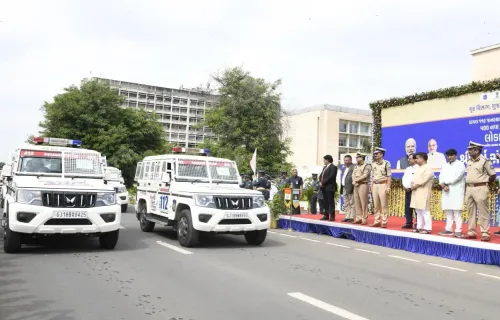
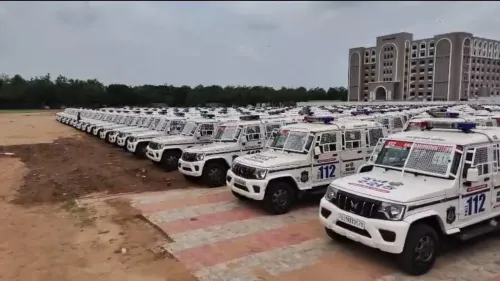
Gujarat will add 89 ambulances to tribal districts, raising the fleet from 553 to 642 vehicles.
Target: cut average tribal emergency response time from 18 minutes 32 seconds to approximately 10 minutes .
Fleet breakdown: 22 ALS (Advanced Life Support), 55 BLS (Basic Life Support), and 12 four-wheel-drive vehicles for rough and flood-prone terrain.
Current state-wide average response time is 13 minutes 9 seconds ; urban areas average 9 minutes 55 seconds .
Vulnerable groups prioritised include pregnant women, newborns, senior citizens, and critically ill patients in remote settlements.
Procurement is being managed by the Additional Director of Medical Services, Gandhinagar , and is currently underway.
Gujarat is set to expand its emergency ambulance fleet in tribal districts by 89 vehicles, with the state government targeting a reduction in average emergency response time from 18 minutes 32 seconds to approximately 10 minutes in tribal areas. The expansion will raise the total ambulance count across identified tribal districts from 553 to 642 vehicles, addressing longstanding gaps in emergency medical access caused by difficult terrain, forested landscapes, and monsoon-related road disruptions.
Current Response Times and the Gap
Across Gujarat, the 108 Emergency Ambulance Service currently averages a response time of around 13 minutes 9 seconds. Urban areas fare considerably better, averaging 9 minutes 55 seconds, while rural zones record approximately 16 minutes 28 seconds. Tribal regions carry the heaviest burden at nearly 18 minutes 32 seconds — nearly double the urban average — largely owing to geographical and terrain-related barriers. The new deployment is designed to bring tribal response times in line with the state average by positioning ambulances closer to remote communities.
Breakdown of the 89 New Vehicles
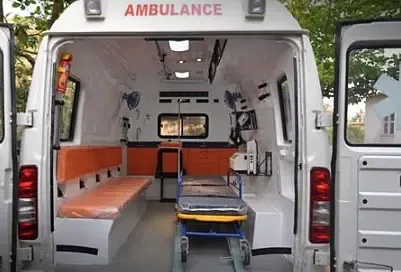
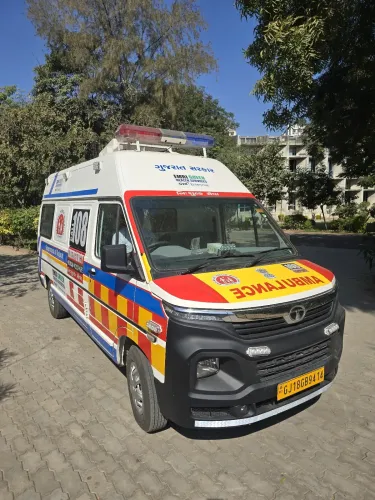
Of the 89 new ambulances, 22 will be Advanced Life Support (ALS) vehicles equipped for critically ill and high-risk patients requiring advanced pre-hospital emergency care. Another 55 will be Basic Life Support (BLS) ambulances for emergency transportation and essential life-support requirements. The remaining 12 will be four-wheel-drive (4WD) ambulances purpose-built for rough terrain, hilly roads, and unpaved tracks — including locations where heavy monsoon flooding can render conventional vehicles ineffective.
Who Stands to Benefit
The initiative specifically targets vulnerable populations in remote tribal settlements, including pregnant women, newborns, children, senior citizens, persons with disabilities, and critically ill patients. Faster response is especially critical during the 'Golden Hour' — the window immediately following a serious medical emergency when timely intervention is most likely to prevent death or severe disability. Officials stated that the initiative seeks to improve both stages of emergency transportation: reaching patients swiftly after a distress call and ensuring timely transfer to appropriate healthcare facilities.
Procurement and Next Steps
The procurement process for the additional fleet is currently underway and is being managed by the Additional Director of Medical Services in Gandhinagar. Once operational, the expanded network is expected to strengthen connectivity between remote tribal communities and district-level healthcare facilities. By stationing ambulances nearer to hard-to-reach areas, the government also aims to reduce the interval between an emergency call and the arrival of medical assistance — a gap that has historically cost lives in Gujarat's interior tribal belt.
Point of View
Directly addressing the terrain barrier that no amount of urban-designed planning has resolved. Yet procurement being 'underway' with no firm deployment date leaves the critical question open: how long before these vehicles are actually on forest roads? Past government fleet expansions in India have stalled at procurement and commissioning stages. Timelines and accountability mechanisms — not vehicle counts — will determine whether this initiative genuinely moves the needle for tribal communities or remains a well-intentioned headline.
NationPress
19 Sept 2026
Frequently Asked Questions
Why is Gujarat expanding its ambulance fleet in tribal areas?
Gujarat is adding 89 ambulances to tribal districts because the current average emergency response time there is approximately 18 minutes 32 seconds — nearly double the urban average of under 10 minutes. Difficult terrain, forested landscapes, and monsoon disruptions have historically prevented timely medical access for remote tribal communities.
What types of ambulances are being added under this expansion?
Of the 89 new vehicles, 22 are Advanced Life Support (ALS) ambulances for critically ill patients, 55 are Basic Life Support (BLS) ambulances for essential emergency transportation, and 12 are four-wheel-drive (4WD) vehicles designed for rough terrain, hilly roads, and flood-prone locations where conventional ambulances struggle to reach.
What is the current state of the 108 Emergency Ambulance Service in Gujarat?
The 108 Emergency Ambulance Service currently averages a response time of around 13 minutes 9 seconds across Gujarat. Urban areas see roughly 9 minutes 55 seconds, rural areas around 16 minutes 28 seconds, and tribal regions the highest at approximately 18 minutes 32 seconds.
Who are the primary beneficiaries of this ambulance expansion?
The expansion primarily targets vulnerable groups in remote tribal settlements, including pregnant women, newborns, children, senior citizens, persons with disabilities, and critically ill patients. The initiative is especially focused on improving outcomes during the critical 'Golden Hour' following a serious medical emergency.
When will the new ambulances be deployed in Gujarat's tribal districts?
The procurement process is currently underway and is being managed by the Additional Director of Medical Services in Gandhinagar. A specific deployment timeline has not yet been publicly announced, but the state government has indicated the expansion is a priority for improving emergency access in tribal areas.