Gujarat CM flags off 51 two-wheeler health units for tribal districts
Synopsis
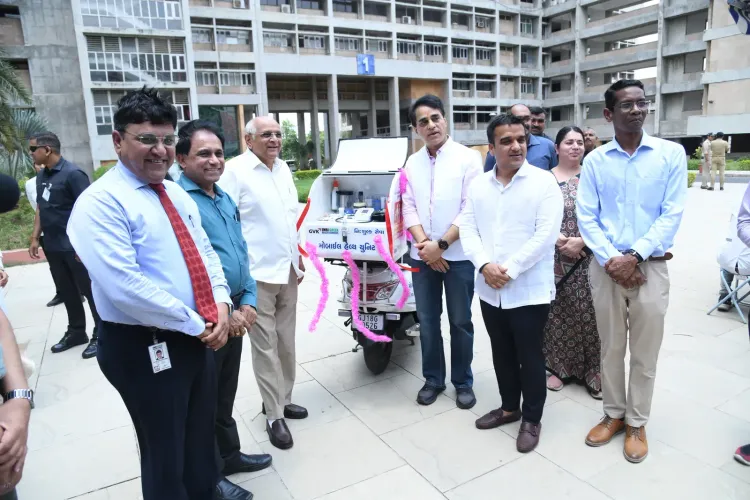
Gujarat has deployed 51 motorcycle-mounted health units into tribal terrain where ambulances cannot reach — each GPS-tracked, digitally linked to the CM's dashboard, and stocked with diagnostic tools. It is a rare instance of a state government engineering its last-mile health delivery around geography rather than assuming roads will follow.
Key Takeaways
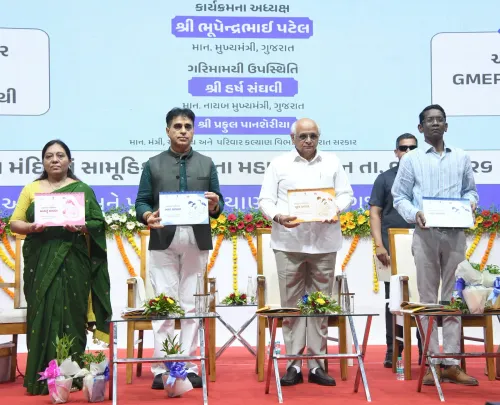
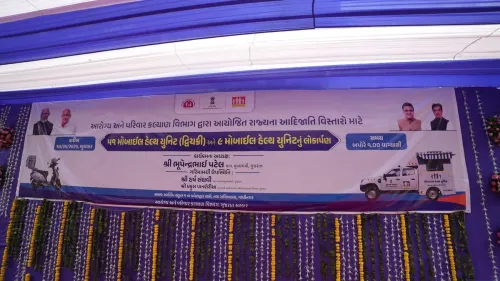
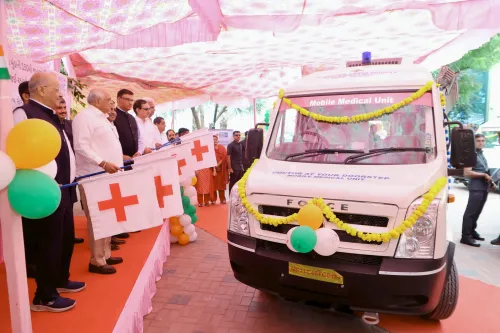
Chief Minister Bhupendra Patel flagged off 51 two-wheeler mobile health units and 9 mobile health vans from Gandhinagar on 17 June 2025 .
The fleet will operate across 14 tribal districts of Gujarat, reaching areas inaccessible to four-wheeler vehicles.
Each unit carries diagnostic equipment including glucometers , haemoglobin meters , digital BP monitors , and essential medicines.
All units are GPS-tracked and integrated with the Chief Minister's dashboard for real-time monitoring.
Services include screening for malaria, blood sugar, blood pressure , maternal and child health check-ups, and referral to government hospitals.
Special outreach is planned for adolescent girls and women on anaemia, nutrition, and family welfare.
Chief Minister Bhupendra Patel on Wednesday, 17 June launched 51 two-wheeler mobile health units and flagged off nine new mobile health vans from Gandhinagar, deploying the fleet across 14 tribal districts of Gujarat to bring primary healthcare directly to remote and inaccessible communities. The initiative marks a significant expansion of the state's last-mile health delivery infrastructure.
Deputy Chief Minister Harsh Sanghavi and Health Minister Praful Pansheriya were present at the flag-off ceremony.
Why Two-Wheelers
The two-wheeler units have been purpose-built for terrain where conventional four-wheeler medical vehicles cannot operate — areas marked by poor road connectivity, dense forest cover, or difficult geography. Officials said the units will serve both emergency response and routine outreach functions, ensuring that tribal residents no longer need to travel long distances for basic medical attention.
Each unit carries a medical box stocked with essential medicines and primary healthcare equipment, including digital blood pressure monitors, stethoscopes, glucometers, clinical thermometers, haemoglobin meters, knee hammers, needle cutters, instrument trays, and torches.
Digital Backbone and Real-Time Monitoring
The programme is integrated with digital data-entry facilities and linked directly to the Chief Minister's dashboard for centralised monitoring. GPS-based real-time tracking of all units has been built into the system, with reporting by medical officers and oversight at taluka, district, and state levels conducted through a unified digital platform. Information, Education and Communication (IEC) activities will also be managed digitally.
Health Services on Offer
The units are designed to conduct regular health check-ups for pregnant women, newborns, and children, with counselling and treatment services delivered at the village level. Primary screening will cover blood pressure, haemoglobin levels, blood sugar, malaria, and urine-related conditions. Patients requiring specialist care will be referred promptly to the nearest government healthcare institution.
Special focus has been placed on adolescent girls and women, with targeted guidance on anaemia, nutrition, adolescent health, and family welfare. Health awareness drives will address HIV/AIDS, tobacco-related diseases, communicable diseases, and non-communicable diseases, alongside information on government health schemes.
Maternal and Child Health Outcomes
According to the state government, the programme is expected to improve maternal and child health outcomes by enabling timely medical intervention and reducing delays in accessing care — a persistent challenge in Gujarat's tribal belt. Officials said the initiative aligns with the holistic healthcare approach championed at the national level. Going forward, the performance of all units will be tracked through the Chief Minister's dashboard, with data feeding into state-level policy reviews.
Point of View
It could become a replicable model for other states with similar terrain challenges. The real test, however, is utilisation rate and continuity of supply chains for medicines. Mobile units without consistent restocking quickly become symbolic. The CM's dashboard link is promising, but accountability requires public data disclosure, not just internal monitoring.
NationPress
27 Sept 2026
Frequently Asked Questions
What are the 51 two-wheeler mobile health units launched in Gujarat?
They are motorcycle-mounted medical units deployed by the Gujarat Health and Family Welfare Department to deliver primary healthcare in tribal and remote areas where four-wheeler vehicles cannot operate. Each unit carries diagnostic tools and essential medicines and is GPS-tracked for real-time monitoring.
Which districts will the mobile health units cover?
The units will operate across 14 tribal districts of Gujarat. The exact district names were not individually listed in the official announcement, but the programme targets areas with difficult terrain and poor road connectivity.
What health services will the two-wheeler units provide?
The units will conduct primary screenings for blood pressure, blood sugar, haemoglobin, malaria, and urine conditions. They will also offer maternal and child health check-ups, counselling for adolescent girls and women, and health awareness on HIV/AIDS, communicable diseases, and government schemes. Patients needing specialist care will be referred to government hospitals.
How will the programme be monitored?
All units are equipped with GPS-based real-time tracking and integrated with the Chief Minister's dashboard. Digital data entry, IEC activity reporting, and oversight at taluka, district, and state levels are all managed through a unified digital platform.
Who was present at the flag-off ceremony?
Deputy Chief Minister Harsh Sanghavi and Health Minister Praful Pansheriya joined Chief Minister Bhupendra Patel at the flag-off event held in Gandhinagar on 17 June 2025.