Gujarat 108 ambulance service: 1.99 crore emergencies, 19.66 lakh lives saved in 19 years
Synopsis
In 19 years, Gujarat's 108 ambulance service has handled nearly 2 crore emergencies, saved over 19.66 lakh lives, and now dispatches help every 21 seconds — a scale of emergency response that few Indian states have matched. With air ambulances, boat ambulances, and a unified 112 helpline now layered on top, Gujarat is quietly building what may be India's most comprehensive emergency care infrastructure.
Key Takeaways
Gujarat's 108 emergency service has responded to nearly 1.99 crore emergencies and saved more than 19.66 lakh lives since its launch on 29 August 2007 .
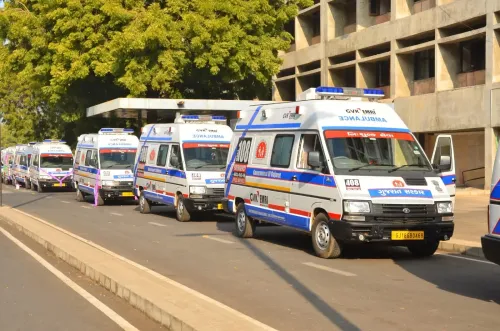
The network dispatches an ambulance every 21 seconds and transports an average of 4,780 patients to hospitals daily.
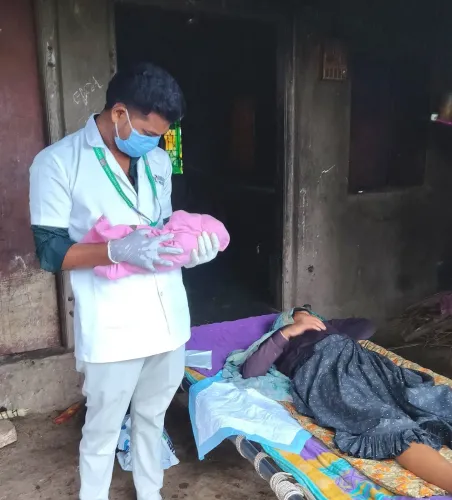
Ambulance personnel have conducted more than 1,64,715 deliveries and responded to over 62.97 lakh pregnancy-related emergencies over 19 years.
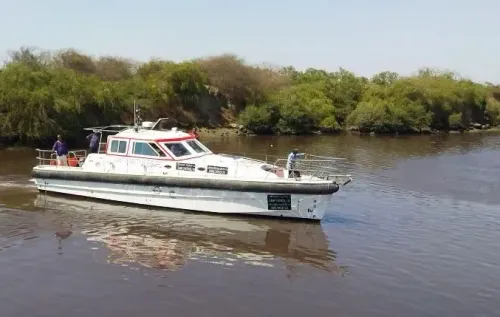
Gujarat launched what it describes as India's first integrated air ambulance service on 21 March 2022 , alongside boat ambulances at Porbandar and Okha ports.
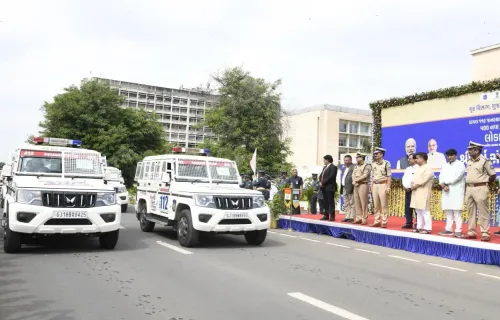
The integrated 112 helpline , inaugurated by Union Home Minister Amit Shah in August 2025 , has handled over 10 lakh calls in its first year, with a current response time of 10 minutes and 49 seconds .
The 112 fleet expanded by 500 'Janrakshak' vehicles in August, bringing the total to 1,000 vehicles operating round the clock.
Gujarat's 108 emergency medical service has entered its 20th year of operation, having responded to nearly 1.99 crore emergencies and helped save more than 19.66 lakh lives since its launch on 29 August 2007, according to figures released by the Gujarat state government on 2 September. The milestone underscores how a free ambulance initiative launched nearly two decades ago has grown into one of India's most extensive pre-hospital emergency care networks.
Scale of Operations
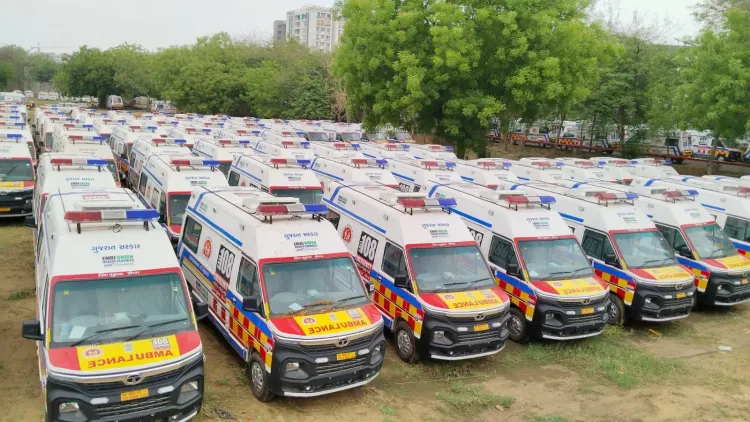
Since inception, the 108 service has covered more than 62 crore km across Gujarat and currently dispatches an ambulance approximately every 21 seconds. On average, the network transports about 4,780 patients to hospitals daily, including those in remote and hard-to-reach areas of the state.
Of the nearly 1.99 crore emergency cases handled up to August 2025, more than 1.96 crore were medical in nature. The remaining cases comprised 2.55 lakh police-related emergencies and approximately 8,300 fire-related incidents. The service maintains an average response time of 13 minutes and 9 seconds, with around 99 per cent of calls answered within the first two rings.
Maternal Care and Road Accident Response
A significant portion of the service's caseload involves maternal and child health. Over 19 years, the 108 network has responded to more than 62.97 lakh pregnancy and childbirth-related emergencies. Ambulance personnel have conducted more than 1,64,715 deliveries either at the scene or during transit to hospital facilities.
The service has also intervened in more than 24.18 lakh road accident cases, 11.77 lakh serious respiratory emergencies, and 9.87 lakh heart attack cases, with rapid deployment aimed at ensuring patients reach hospitals within the critical golden hour. This is a particularly consequential metric in a state with one of India's busiest highway networks.
Infrastructure and Technology
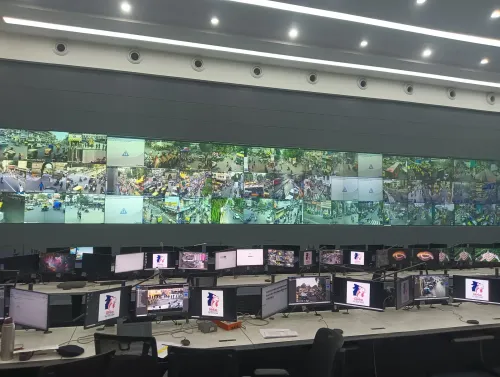
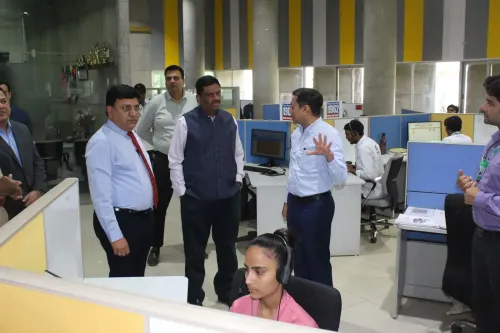
The backbone of the operation is a 15-acre Emergency Response Centre at Naroda-Kathwada in Ahmedabad, which functions round the clock for medical, police, and fire emergencies. Its computer-aided dispatch system uses location-based technology to identify callers and deploy the nearest available ambulance.
Gujarat has also extended emergency coverage beyond conventional road ambulances. On 21 March 2022, the state launched what the government described as India's first integrated air ambulance service, developed in cooperation with private companies. Additionally, boat ambulance services have been introduced at Porbandar and Okha ports to extend emergency medical assistance to fishermen operating at sea.
Gujarat's 112 Helpline Completes First Year
Alongside the 108 network, Gujarat's integrated 112 emergency helpline has completed its first year of operations. The service was inaugurated by Union Home Minister Amit Shah in August 2025 and has since attended more than 10 lakh emergency calls, with its control room handling an average of 10 calls every minute.
The 112 system consolidates police, ambulance, fire, women and child helplines, and disaster-related assistance under a single emergency number, forming part of the national Emergency Response Support System. In August 2025, the state added 500 'Janrakshak' vehicles to the fleet, bringing the total to 1,000 vehicles operating round the clock. Officials said the response time for the 112 network had already been reduced to 10 minutes and 49 seconds, with further improvements targeted.
As both networks mature, the state government said all personnel — including call-centre agents, ambulance staff, drivers, and police — operate 24 hours a day, 365 days a year. The convergence of road, air, and sea ambulance infrastructure, combined with a unified emergency number, positions Gujarat's emergency response model as a potential benchmark for other Indian states to study.
Point of View
But the more significant story is the infrastructure layering — road, air, and sea ambulances tied to a unified dispatch system — that most Indian states have not attempted. The real test of any emergency network, however, is equity of access: whether the 13-minute-9-second average response time holds in tribal districts and coastal villages as reliably as it does in Ahmedabad. The 112 integration is a sound policy move, but consolidating multiple helplines under one number only delivers value if the backend coordination is genuinely seamless — something that will take years of data to verify. Other states watching Gujarat's model should note that the outcomes here were built over 19 years of sustained investment, not a single-term announcement.
NationPress
18 Oct 2026
Frequently Asked Questions
How many emergencies has Gujarat's 108 service handled since 2007?
Gujarat's 108 emergency medical service has responded to nearly 1.99 crore emergencies since its launch on 29 August 2007, according to state government figures released on 2 September. Of these, more than 1.96 crore were medical emergencies, with the remainder comprising police and fire-related cases.
How many lives has the Gujarat 108 ambulance service saved?
The service has helped save more than 19.66 lakh lives over its 19 years of operation, according to the Gujarat state government. It currently dispatches an ambulance approximately every 21 seconds and transports around 4,780 patients to hospitals each day.
What is the average response time of Gujarat's 108 service?
The 108 service maintains an average response time of 13 minutes and 9 seconds, with approximately 99 per cent of calls answered within the first two rings. The newer 112 helpline has already achieved a response time of 10 minutes and 49 seconds, with further reductions targeted.
What is Gujarat's 112 emergency helpline and how does it differ from 108?
The 112 helpline is an integrated emergency number inaugurated by Union Home Minister Amit Shah in August 2025 that consolidates police, ambulance, fire, women and child helplines, and disaster assistance under a single number. Unlike the 108 service, which focuses primarily on medical emergencies, 112 is a unified multi-agency response platform that handled over 10 lakh calls in its first year.
Does Gujarat have air and sea ambulance services?
Yes. Gujarat launched what the state government described as India's first integrated air ambulance service on 21 March 2022, in cooperation with private companies. Boat ambulance services have also been introduced at Porbandar and Okha ports to provide emergency medical assistance to fishermen at sea.