Khelo India Sports Goods Manufacturing Scheme: Industry cheers ₹1,856 crore push
Synopsis
The Cabinet has cleared a ₹1,856.67 crore scheme to transform India's sports goods manufacturing sector over eight years — and Ludhiana's bicycle and sports equipment industry is cautiously optimistic. The critical question is whether the benefits will trickle down to small manufacturers or concentrate in the hands of larger players, a pattern that has dogged previous industrial schemes.
Key Takeaways
The Union Cabinet approved the Khelo India Sports Goods Manufacturing Scheme with an outlay of ₹1,856.67 crore .
The scheme runs from 2026 to 2033–34 and was first announced in the Union Budget for 2026–27 .
It targets investment, technology adoption, skill development, quality certification, and export growth in the sports goods sector.
Chawla , former president of the United Cycle Parts and Manufacturers Association , called it a positive step for both industry and public health.
Industry representative Harvinder Singh urged the government to ensure scheme benefits reach small and grassroots-level manufacturers, not just large enterprises.
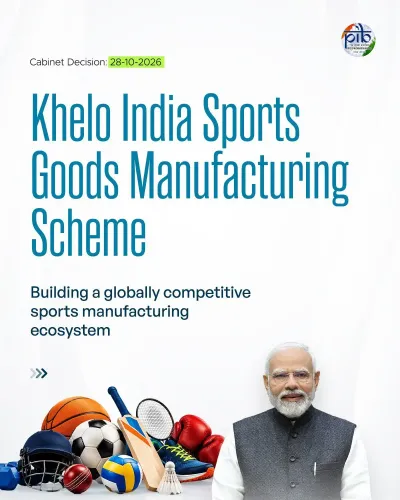
The Khelo India Sports Goods Manufacturing Scheme, approved by the Union Cabinet chaired by Prime Minister Narendra Modi, has drawn widespread praise from industry representatives in Ludhiana, who say the initiative will strengthen India's sports manufacturing base, promote youth fitness, and sharpen the country's competitiveness in global sporting goods markets. The scheme carries a total outlay of ₹1,856.67 crore and will run from 2026 to 2033–34.
What the Scheme Covers
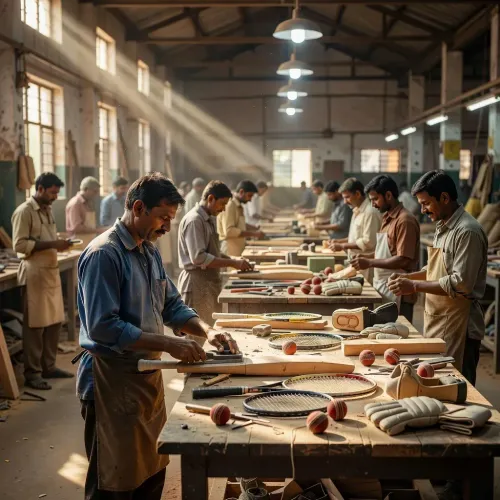
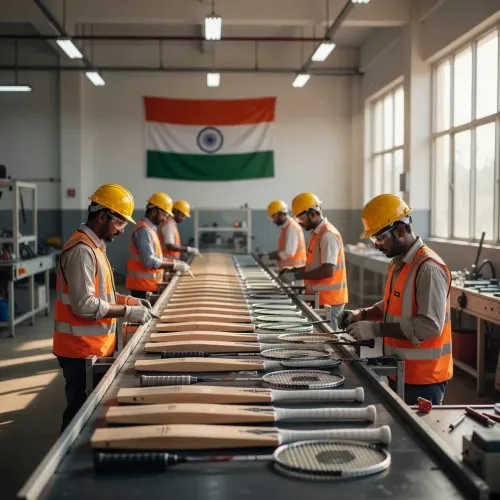
First announced in the Union Budget for 2026–27, the scheme targets investment promotion, technology adoption, research and innovation, skill development, quality certification, and market expansion in the sports goods sector. It aims to simultaneously boost domestic manufacturing capacity and grow India's share of global sporting goods exports — two goals that have long been treated separately in industrial policy.
Industry Reaction from Ludhiana
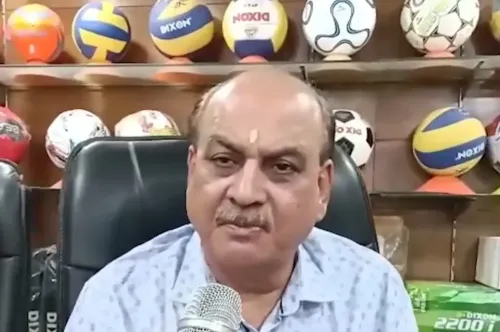
D.S. Chawla, former president of the United Cycle Parts and Manufacturers Association, described the Cabinet decision as a positive step for both the sports industry and public health. He noted that the sector had remained overlooked for years despite its importance, and argued that stronger support for sports was especially needed at a time when excessive mobile phone use was becoming widespread among young people.
Chawla, who is associated with the bicycle industry, pointed out that cycling engages the entire body and ranks among the most effective forms of exercise. He expressed confidence that the scheme would encourage greater participation in physical activity across the country.
Small Businesses Must Not Be Left Behind
A note of caution came from Harvinder Singh, another industry representative from the bicycle sector. While welcoming the government's intent to support manufacturing units, Singh stressed that scheme benefits must reach small enterprises at the grassroots level rather than being absorbed predominantly by larger companies. He argued that smaller manufacturers routinely struggle to access government programme advantages, while bigger players are better positioned to navigate eligibility requirements.
'Ensuring wider participation,' Singh said, 'would help maximise the impact of the scheme and support the growth of local manufacturers.'
Broader Context and What's Next
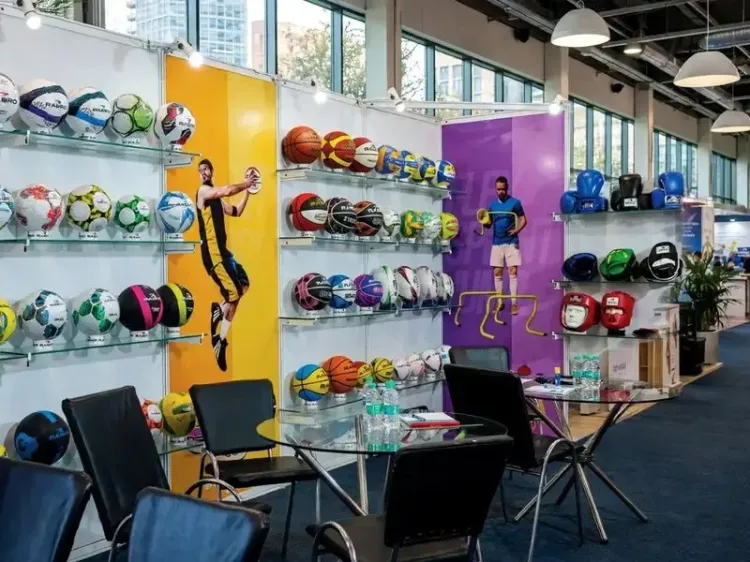
India's sports goods sector, centred significantly in Jalandhar and Ludhiana in Punjab, has historically punched below its weight in global export rankings despite a strong manufacturing heritage. The new scheme represents a structural push to change that trajectory. Notably, it comes alongside a broader push by the Centre to formalise and scale domestic manufacturing across consumer goods categories.
Implementation details, including disbursement criteria and eligibility thresholds for small and medium enterprises, are expected to be formalised by the relevant ministries in the months ahead. Stakeholders in Ludhiana's bicycle and sports equipment clusters will be watching closely to ensure grassroots access is built into the scheme's architecture from the outset.
Point of View
856.67 crore outlay is a meaningful commitment for a sector that has historically been underfunded, but the scheme's real test lies in its delivery architecture. India's sports goods industry is dominated by small and medium enterprises — particularly in Ludhiana and Jalandhar — and past industrial schemes have tended to benefit larger, more compliance-ready players. If eligibility criteria are not deliberately designed for MSMEs, the grassroots manufacturing base that gives the sector its competitive depth will be bypassed again. The government has a clear signal from the industry itself; whether it is built into the implementation guidelines is the accountability question to watch.
NationPress
29 Oct 2026
Frequently Asked Questions
What is the Khelo India Sports Goods Manufacturing Scheme?
It is a Union Cabinet-approved scheme with a total outlay of ₹1,856.67 crore, running from 2026 to 2033–34, aimed at boosting investment, innovation, skill development, and exports in India's sports goods sector. It was first announced in the Union Budget for 2026–27.
Why has the Ludhiana industry welcomed the scheme?
Industry representatives in Ludhiana, a key hub for bicycle and sports equipment manufacturing, say the scheme will strengthen domestic production and promote physical activity among youth at a time when sedentary habits are rising. Former United Cycle Parts and Manufacturers Association president D.S. Chawla specifically highlighted cycling's health benefits and expressed confidence the scheme would boost sports participation.
What concerns have small manufacturers raised about the scheme?
Industry representative Harvinder Singh cautioned that the scheme's benefits should not be concentrated among larger companies, noting that small businesses typically struggle to access government programme advantages. He called for inclusive implementation to maximise impact at the grassroots level.
Which sectors and activities does the scheme support?
The scheme covers investment promotion, technology adoption, research and innovation, skill development, quality certification, and market expansion across the sports goods manufacturing sector, with the broader goal of enhancing India's global competitiveness in sporting goods exports.
When will implementation details be finalised?
The scheme has received Cabinet approval and was announced in the Union Budget for 2026–27. Specific disbursement criteria and eligibility norms are expected to be formalised by the relevant ministries in the coming months, with stakeholders in Ludhiana and Jalandhar awaiting guidance on MSME access.