CEA Nageswaran calls for RBI review of NPA norms for MSMEs
Synopsis
India's top economic adviser has publicly called on the RBI to scrap a one-size-fits-all NPA rule for MSMEs — arguing that the 90-day overdue threshold ignores how different industries actually manage cash flow, and that even the earlier SMA classification is already destroying creditworthy businesses before they formally default.
Key Takeaways
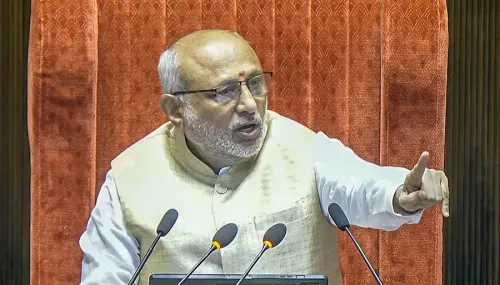
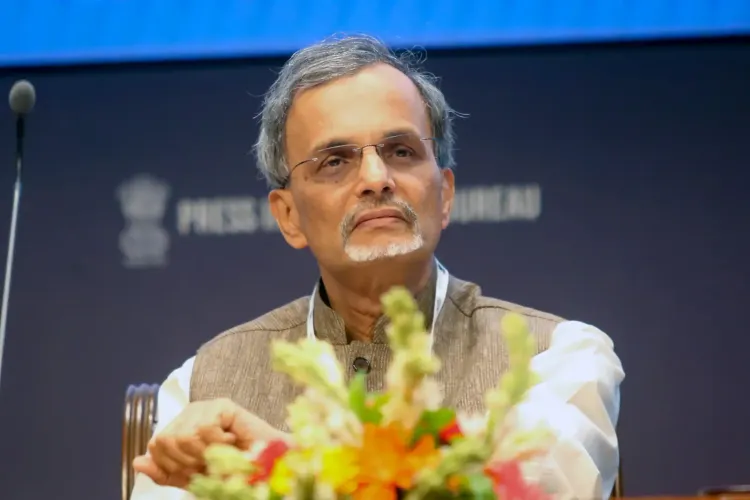
Anantha Nageswaran on 9 October 2026 urged the RBI to revise NPA classification norms for MSMEs at Sa-Dhan's national conference in New Delhi .
He argued the uniform 90-day overdue rule does not reflect the varied cash flow cycles across MSME sub-sectors.
Nageswaran flagged that even the SMA classification — triggered before formal NPA status — can severely damage a borrower's credit standing.
On microfinance, he warned the sector's credit-first approach is the root cause of recurring crises, calling for a return to savings and insurance as priorities.
India's microfinance loan book contracted by 11% in FY26 , according to Sa-Dhan's Bharat Microfinance Report , signalling early-stage deleveraging.
Chief Economic Adviser (CEA) V. Anantha Nageswaran on Friday, 9 October called on the Reserve Bank of India (RBI) to revisit the non-performing asset (NPA) classification framework for micro, small and medium enterprises (MSMEs), arguing that the existing rules fail to account for the diverse cash flow realities of these businesses.
The Problem With a Uniform 90-Day Rule
Under current banking norms, a loan account overdue beyond 90 days is classified as an NPA. Banks also flag accounts earlier through a Special Mention Account (SMA) framework — overdue up to 30 days as SMA-0, 31 to 60 days as SMA-1, and 61 to 90 days as SMA-2. Nageswaran argued that this tiered escalation causes damage well before the formal NPA label is applied.
'The moment you are classified as SMA, then you almost end up becoming de facto, if not de jure, NPA already. I think that needs to change,' Nageswaran said at Sa-Dhan's national conference in New Delhi. He added: 'We need to evolve such norms consistent with the practices and cash flow patterns, rather than adopting a globally uniform benchmark.'
Why MSMEs Are Different
India's MSME sector spans industries as varied as agriculture-linked processing, textiles, construction, and technology services — each with distinct working capital cycles. A firm dependent on seasonal agricultural produce, for instance, may structurally carry longer payment gaps than a manufacturing unit. Nageswaran contended that applying a single timeline across all these sub-sectors distorts credit outcomes and pushes viable businesses into a stressed category prematurely.
This is not the first time policymakers have flagged MSME credit stress. The sector bore disproportionate strain during the COVID-19 disruption years, and successive Emergency Credit Line Guarantee Scheme (ECLGS) tranches were deployed precisely to prevent a wave of MSME NPAs. The current push for norm revision signals that structural mismatches in classification remain unresolved.
Nageswaran's Warning on Microfinance
Beyond MSMEs, the CEA also trained his attention on the microfinance sector, cautioning against an over-reliance on credit at the expense of savings and insurance. 'From a pure finance perspective, the priority should be savings, insurance, and then credit. But the sector has reversed that order. The priority pyramid is inverted, that is the reason why the frequent bouts of crises occur in the microfinance space,' he said.
India's microfinance sector experienced severe stress in FY25, attributed largely to over-lending practices. However, early signs of recovery are emerging — the sector's aggregate loan book contracted by 11% in FY26, according to Sa-Dhan's Bharat Microfinance Report, suggesting a deliberate deleveraging underway.
What Happens Next
The CEA's remarks stop short of a formal policy directive; any change to NPA classification norms would require the RBI to issue revised guidelines after internal deliberation. Nevertheless, a call from the government's top economic adviser carries significant signalling weight and is likely to inform forthcoming discussions between the Finance Ministry and the central bank. MSME industry bodies are expected to back the proposal, while banking sector analysts will watch for any RBI response in upcoming monetary policy communications.
Point of View
But the harder question is whether the RBI will act — or treat this as yet another advisory suggestion. The 90-day NPA rule is a global prudential standard, and any India-specific carve-out for MSMEs will require the central bank to weigh credit discipline against development finance goals, a tension it has historically resolved in favour of uniformity. The SMA observation is arguably the sharper insight: the stigma and operational consequences of SMA tagging effectively pre-empt the formal NPA process, making the 90-day threshold a technicality. Until lender behaviour at the SMA stage is addressed, tweaking the NPA timeline alone will not protect MSME borrowers. Meanwhile, the microfinance remarks deserve equal attention — the sector's 11% loan-book contraction in FY26 is a correction, not a cure, if the structural incentive to over-lend remains intact.
NationPress
9 Oct 2026
Frequently Asked Questions
What did CEA Nageswaran say about MSME NPA norms?
CEA V. Anantha Nageswaran called on the RBI to revise the non-performing asset (NPA) classification norms for MSMEs, arguing that a uniform 90-day overdue threshold ignores the diverse cash flow cycles of different industries. He made these remarks at Sa-Dhan's national conference in New Delhi on 9 October 2026.
What is the SMA classification and why is it a concern?
Banks classify loan accounts as Special Mention Accounts (SMAs) based on how long repayment is overdue — up to 30 days as SMA-0, 31 to 60 days as SMA-1, and 61 to 90 days as SMA-2. Nageswaran warned that being tagged as SMA already carries de facto NPA-like consequences for borrowers, damaging their credit access before any formal default is declared.
Why does a uniform NPA rule not suit all MSMEs?
MSMEs operate across sectors — textiles, agri-processing, construction, services — each with different working capital cycles. A seasonal or project-based business may structurally take longer to collect payments, making a single 90-day deadline for all categories an ill-fitting standard that can penalise otherwise viable firms.
What is the state of India's microfinance sector?
India's microfinance sector went through severe stress in FY25, largely due to over-lending. The sector's aggregate loan book contracted by 11% in FY26, according to Sa-Dhan's Bharat Microfinance Report, indicating early-stage deleveraging. Nageswaran cautioned the sector against inverting the ideal finance priority of savings first, insurance second, and credit third.
Will the RBI change MSME NPA norms following this call?
No formal directive has been issued. The CEA's remarks are advisory in nature; any regulatory change would require the RBI to revise its guidelines independently. However, a public call from the government's chief economic adviser is widely seen as a signal of the Finance Ministry's policy preference and is likely to feature in future RBI-government consultations.