Dekho Apna Desh 2.0 launched on World Tourism Day 2026 with Digital Stack
Synopsis
On World Tourism Day 2026, India didn't just celebrate — it launched a structural reset. The Dekho Apna Desh 2.0 campaign targets overtourism at popular spots by redirecting footfall to lesser-known destinations, while the National Digital Tourism Stack applies India's DPI playbook to travel. Five MoUs with Airbnb, MakeMyTrip and others signal serious industry buy-in, with a pilot set for January 2027.
Key Takeaways
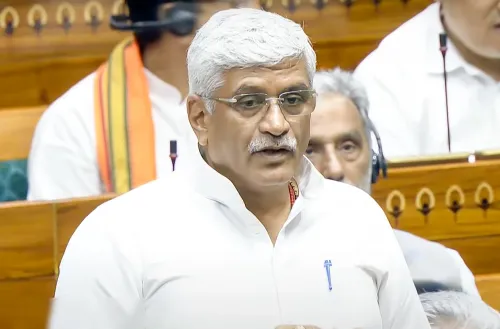
Union Minister Gajendra Singh Shekhawat launched Dekho Apna Desh 2.0 and the National Digital Tourism Stack on 27 September 2026 at Bharat Mandapam, New Delhi .
The campaign targets lesser-known hill, coastal, heritage, and pilgrimage destinations as sustainable alternatives to overcrowded tourist spots.
The National Digital Tourism Stack is being built with ONDC and ICDIA ; a pilot is planned for January 2027 .
Five MoUs were signed with Airbnb India , FlixBus India , Glance Digital Experience (InMobi Group) , Eicher Group Foundation , and MakeMyTrip (India) .
The initiative focuses on creating economic opportunities for local communities, women and youth in tourism-ready destinations.
Keynote speaker Vivek Raghavan of Sarvam AI highlighted AI's role in personalising and democratising the travel experience.
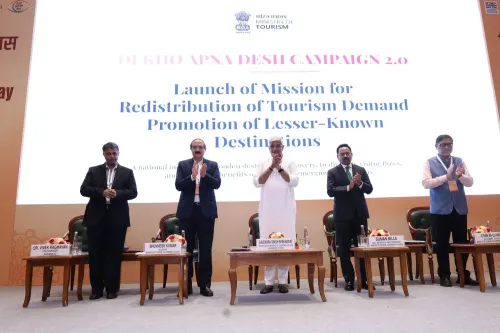
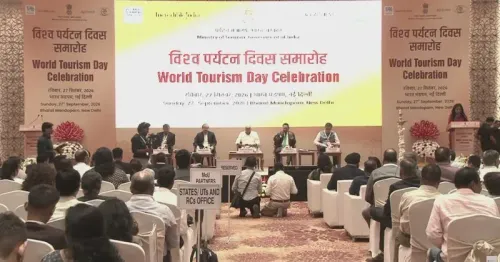
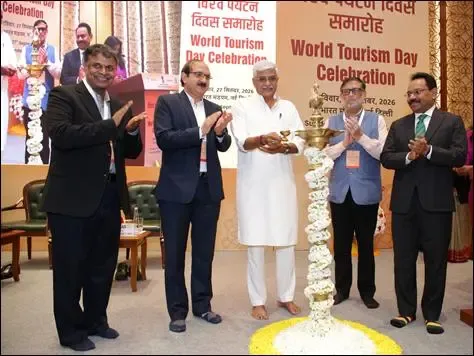
Union Minister of Tourism Gajendra Singh Shekhawat on Sunday, 27 September 2026 — World Tourism Day — launched two landmark initiatives: the National Digital Tourism Stack and the National Mission for Alternative Destinations, branded as the Dekho Apna Desh 2.0 campaign. The launches took place at Bharat Mandapam, New Delhi, and were accompanied by the signing of five Memoranda of Understanding (MoUs) with major industry partners for joint tourism promotion.
What Dekho Apna Desh 2.0 Aims to Achieve
The campaign is designed to redistribute tourist footfall away from overcrowded popular destinations toward lesser-known, tourism-ready alternatives. In collaboration with States and Union Territories, the initiative will identify destinations with distinct appeal, adequate infrastructure and accommodation, and the capacity to receive additional visitors sustainably.
The initial focus areas include hill and mountain destinations, coastal and waterfront destinations, heritage and cultural towns, and regional pilgrimage destinations. The programme explicitly targets economic opportunities for local communities, entrepreneurs, women and youth.
Addressing the event, Shekhawat said, 'The next phase of India's tourism journey must ensure that growth reaches beyond popular destinations, creating opportunities for local communities, entrepreneurs, women and youth while making tourism more balanced, inclusive and sustainable.'
The National Digital Tourism Stack
The National Digital Tourism Stack is being developed in collaboration with ONDC and with support from the International Centre for DPI Innovation and Advancement (ICDIA). The platform aims to make India's tourism offerings more discoverable, accessible and trustworthy through shared digital infrastructure.
Capabilities envisaged include verified supplier credentials, search and discovery tools, integrated payments, ratings, and a grievance redressal mechanism. The stack is planned to be rolled out in phases, with a pilot launch scheduled for January 2027.
Secretary, Ministry of Tourism, Bhuvnesh Kumar, said in his welcome address: 'Artificial Intelligence, digital platforms and data-driven destination management can make tourism more accessible, responsive and personalised. India has considerable experience in Digital Public Infrastructure, and we are now looking at how these capabilities can be brought together for tourism.'
Five MoUs Signed with Industry Partners
The Ministry of Tourism formalised partnerships through MoUs with five organisations: Airbnb India Private Limited, FlixBus India Private Limited, Glance Digital Experience Private Limited (InMobi Group), Eicher Group Foundation, and MakeMyTrip (India) Limited. The agreements focus on strengthening destination promotion, community participation, and responsible tourism practices.
This brings together a cross-section of the travel ecosystem — from accommodation and intercity mobility to digital discovery and experiential platforms — under a single coordinated promotional framework.
AI and the Future of Indian Tourism
The keynote address was delivered by Vivek Raghavan, co-Founder of Sarvam AI, aligned with this year's World Tourism Day theme: 'Digital Agenda and Artificial Intelligence to Redesign Tourism.' Raghavan said AI 'has the potential to transform every stage of the tourism journey — from discovering destinations and planning a trip to booking, experiencing and sharing it,' adding that the goal is to 'make travel more seamless, personalised and accessible, while creating a customised experience for every traveller.'
Notably, India's integration of Digital Public Infrastructure frameworks into the tourism sector marks a broader institutional trend — applying the Aadhaar-UPI-ONDC playbook to a sector that has historically relied on fragmented, private-led discovery. The January 2027 pilot will be the first real test of whether that ambition holds.
Point of View
Goa and Varanasi is well-documented — but the fix depends entirely on execution. Identifying 'tourism-ready' alternatives is meaningless unless road, hotel and digital connectivity at those sites are genuinely upgraded before tourists arrive. The Digital Tourism Stack is an intellectually coherent idea, borrowing from India's proven DPI architecture, but the January 2027 pilot timeline is ambitious for a multi-stakeholder, multi-state system. The five MoUs are a positive signal of industry alignment, though MoUs in Indian tourism have historically not translated into sustained marketing spend. The real accountability test will come when the pilot metrics — bookings, unique visitors, community income — are made public.
NationPress
28 Sept 2026
Frequently Asked Questions
What is Dekho Apna Desh 2.0?
Dekho Apna Desh 2.0 is a national campaign launched by the Ministry of Tourism on 27 September 2026 to promote lesser-known Indian destinations as alternatives to heavily visited tourist spots. It focuses on hill, coastal, heritage, and pilgrimage destinations identified in collaboration with States and Union Territories.
What is the National Digital Tourism Stack?
The National Digital Tourism Stack is a shared digital infrastructure being built by the Ministry of Tourism in collaboration with ONDC and the ICDIA. It will enable tourism providers to list and promote offerings across platforms with verified credentials, integrated payments, ratings, and grievance redressal — with a pilot planned for January 2027.
Which companies signed MoUs with the Ministry of Tourism?
Five organisations signed MoUs with the Ministry of Tourism on World Tourism Day 2026: Airbnb India Private Limited, FlixBus India Private Limited, Glance Digital Experience Private Limited (InMobi Group), Eicher Group Foundation, and MakeMyTrip (India) Limited. The agreements cover destination promotion, community participation, and responsible tourism.
When will the Digital Tourism Stack pilot launch?
The National Digital Tourism Stack pilot is scheduled for January 2027. It will be implemented in phases involving the Ministry, States, Union Territories, and industry partners.
Why is India promoting alternative tourism destinations?
Popular destinations in India face unsustainable tourist footfall, straining infrastructure and local ecosystems. Dekho Apna Desh 2.0 aims to distribute demand more evenly by spotlighting lesser-known destinations with distinct appeal and adequate infrastructure, while creating economic opportunities for local communities, women, and youth.