Delhi protests put ₹400 crore daily business at risk, ₹4,000 crore in 10 days: CAIT
Synopsis
CAIT's Praveen Khandelwal has put a hard number on Delhi's protest disruption risk — up to ₹440 crore a day and ₹4,000 crore over ten days at the worst end of projections. With the festive and wedding season in full swing, the warning signals that Delhi's role as India's wholesale and retail hub makes any prolonged agitation an economy-wide problem, not just a local one.
Key Takeaways
CAIT warned on 18 October 2026 that Delhi protests could put over ₹400 crore in daily business at risk.
Cumulative exposure could reach ₹4,000 crore over ten days if disruptions persist at the higher end of projections.
Delhi's estimated average daily business turnover is approximately ₹2,200 crore , according to CAIT.
A 20% activity decline could put up to ₹440 crore per day at risk; the figures are described as indicative estimates, not verified losses.
CAIT Secretary General Praveen Khandelwal urged a balanced approach respecting both the right to protest and the right to trade.
The warning comes during the crucial festive and wedding season , when Delhi markets handle elevated trade volumes.
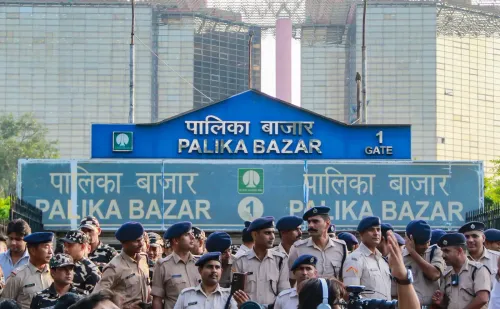
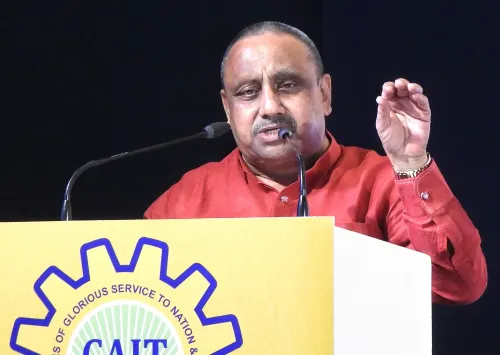
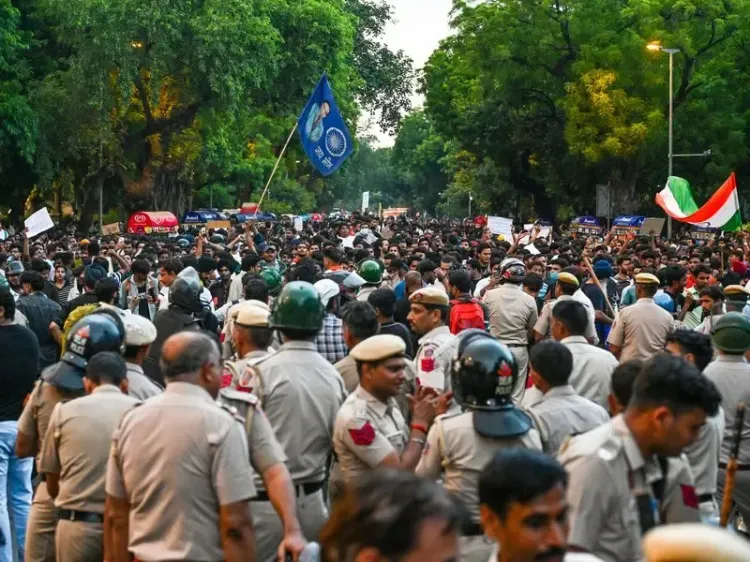
Ongoing protests in New Delhi could put business transactions worth over ₹400 crore at risk every day, with cumulative exposure potentially reaching ₹4,000 crore over ten days if disruptions persist, the Confederation of All India Traders (CAIT) warned on Sunday, 18 October 2026. The alert was sounded by CAIT Secretary General and Chandni Chowk MP Praveen Khandelwal, who highlighted the threat to Delhi's commercial activity during the high-stakes festive and wedding season.
How the numbers were arrived at
According to Khandelwal, Delhi's estimated average daily business turnover stands at approximately ₹2,200 crore. A 10% decline in activity would put roughly ₹220 crore at risk daily; a 15% decline raises that figure to ₹330 crore; and a 20% disruption could push daily exposure to ₹440 crore. Khandelwal was careful to note that these are 'indicative estimates of business activity at risk and not verified actual losses.'
Why Delhi's markets matter beyond the capital
CAIT stressed that the stakes extend well beyond the city's boundaries. 'Delhi is not merely the national capital; it is one of the country's most important centres of wholesale distribution, retail trade and commercial activity. Its markets connect manufacturers, distributors, retailers and consumers across India. Any prolonged disruption in Delhi therefore has a cascading impact on supply chains, business transactions and livelihoods far beyond the city,' Khandelwal said.
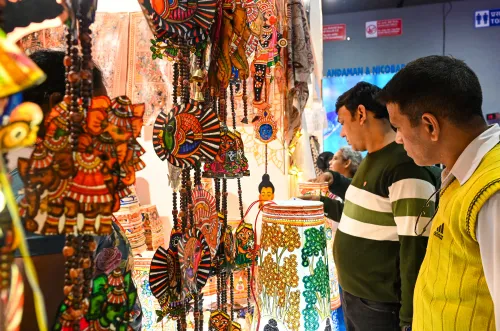
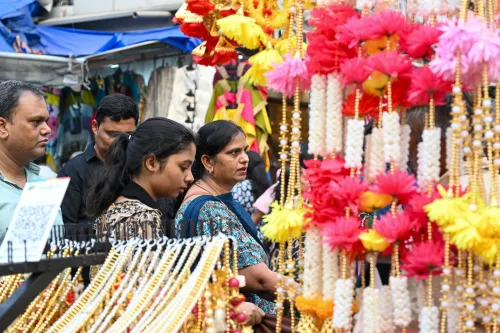
The disruptions — affecting traffic flow, transportation logistics, customer movement and market accessibility — are particularly damaging at a time when festive demand and wedding-season spending typically deliver a significant share of annual revenues for traders.
Balancing protest rights with trade rights
Khandelwal was measured in his remarks, acknowledging the constitutional right to peaceful protest while urging a balanced approach. 'The right to protest and the right to trade are both integral to a functioning democracy. Protecting one should not mean disregarding the other. The larger public interest demands a responsible approach in which democratic expression, the rule of law, economic activity and the livelihood of millions of people are all duly respected,' he said.
This is not the first time Delhi protests have drawn CAIT's concern over economic fallout. The trade body has previously flagged disruption costs during extended agitations, including the farmers' protest period, when key supply corridors into the capital were blocked for weeks.
What traders are watching next
If disruptions continue at the higher end of projected ranges through the festive period, industry observers note that smaller retailers and street vendors — who lack the inventory buffers of larger chains — will bear a disproportionate share of losses. CAIT has not yet announced any formal representation to authorities but is expected to engage with the Delhi government and law enforcement if the situation persists.
Point of View
The capital functions as a circulatory node for supply chains stretching across states; a blockage here has multiplier effects that no single firm's balance sheet captures. The timing amplifies the concern: festive and wedding-season revenues are not recoverable — a missed Diwali sale is a permanent loss, not a deferral. What mainstream coverage tends to underplay is the asymmetric burden on micro and small traders, who lack the cash buffers to ride out even a week of reduced footfall. CAIT's intervention also raises a broader governance question: whether authorities have a framework for managing large-scale public protests in a way that preserves both democratic expression and commercial continuity.
NationPress
18 Oct 2026
Frequently Asked Questions
How much business is at risk due to Delhi protests, according to CAIT?
CAIT estimates that protests could put over ₹400 crore in business transactions at risk every day, with cumulative exposure potentially reaching ₹4,000 crore over ten days if disruptions continue. These are described as indicative estimates, not verified actual losses.
What is Delhi's average daily business turnover?
According to CAIT Secretary General Praveen Khandelwal, Delhi's estimated average daily business turnover stands at approximately ₹2,200 crore. Even a 10% disruption could affect ₹220 crore in transactions daily.
Why is the festive season timing particularly significant for this warning?
The festive and wedding season is one of the highest-revenue periods for Delhi's traders, making any prolonged disruption especially damaging. Unlike regular trade, festive-season sales that are lost cannot be recovered in subsequent weeks.
What did CAIT say about the right to protest?
CAIT's Praveen Khandelwal acknowledged the constitutional right to peaceful assembly but argued that the right to trade is equally important. He called for a 'responsible approach' that respects democratic expression, the rule of law, and the livelihoods of millions simultaneously.
Why does a Delhi disruption affect the rest of India?
Delhi is a major centre for wholesale distribution, retail trade, and commercial activity whose markets link manufacturers, distributors, retailers, and consumers nationwide. Prolonged disruptions in the capital therefore have a cascading effect on supply chains and business transactions well beyond the city.