Delhi traders claim ₹100 crore daily losses as protests hit festive season sales
Synopsis
Delhi's most iconic shopping corridors — Connaught Place, Khan Market, Shankar Market — are reporting near-zero footfall during the festive season, with traders claiming collective losses of ₹100 crore a day. Security restrictions, road blockages and Metro curbs tied to ongoing protests have turned one of retail India's busiest quarters into a financial crisis for thousands of shopkeepers.
Key Takeaways
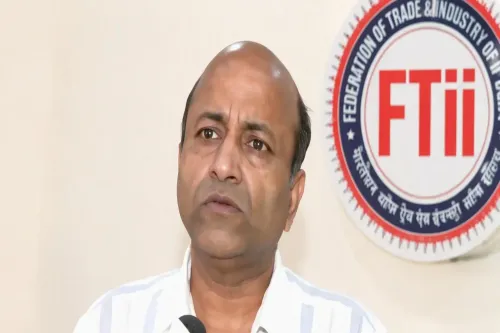
New Delhi Traders' Association president Atul Bhargava claimed businesses around Connaught Place are losing approximately ₹100 crore every day due to protest-linked disruptions.
Markets affected include Khan Market , Connaught Place , Janpath , Palika Bazaar , Mohan Singh Place , Municipal Market , and Shankar Market .
Khan Market Traders' Association president Sanjeev Mehta warned he would demand government compensation if losses continue through the festive period.
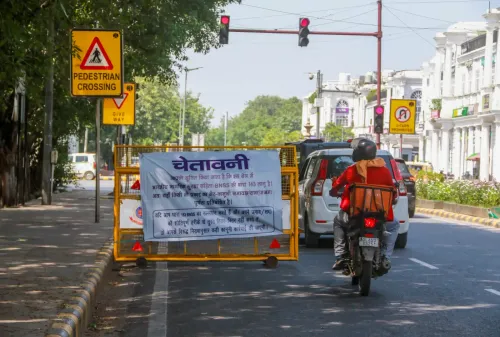
Road blockages, Metro service restrictions and a heavy security presence have been cited as the primary reasons for near-zero public footfall.
Traders say October, November, and December revenues typically sustain their businesses for the rest of the year — making the current disruption especially damaging.
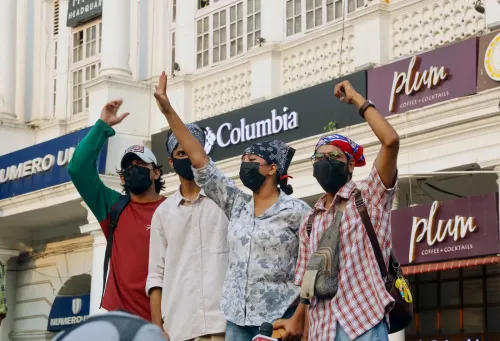
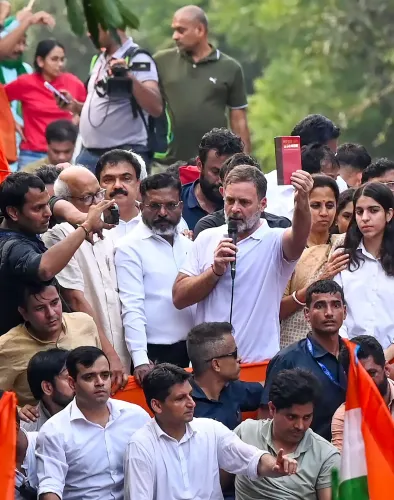
Traders and shopkeepers across New Delhi on Friday, 16 October 2026 sounded the alarm over deepening financial losses, claiming that ongoing protests and accompanying security restrictions have decimated customer footfall at key commercial hubs during the crucial festive quarter. The disruptions, they said, are threatening livelihoods at a time when October, November, and December typically account for a disproportionately large share of annual revenues.
Scale of the Losses
Atul Bhargava, president of the New Delhi Traders' Association, alleged that businesses across Connaught Place and its surrounding commercial corridors were haemorrhaging approximately ₹100 crore every day. He said the losses extended to Janpath, Palika Bazaar, Mohan Singh Place, Municipal Market, Shankar Market, and neighbouring areas.
'All of us are currently facing losses. This is the festive season. We have already purchased stock and invested money, and we have suffered significant losses. If the situation does not return to normal, our losses will increase further,' Bhargava said.
Ground Reality at Khan Market and Connaught Place
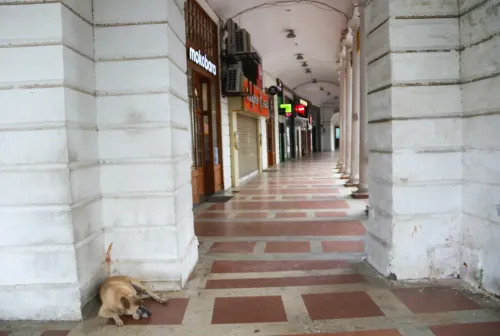
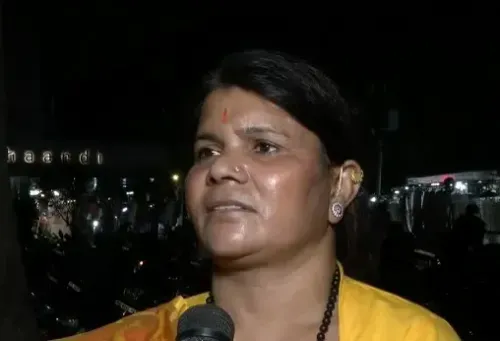
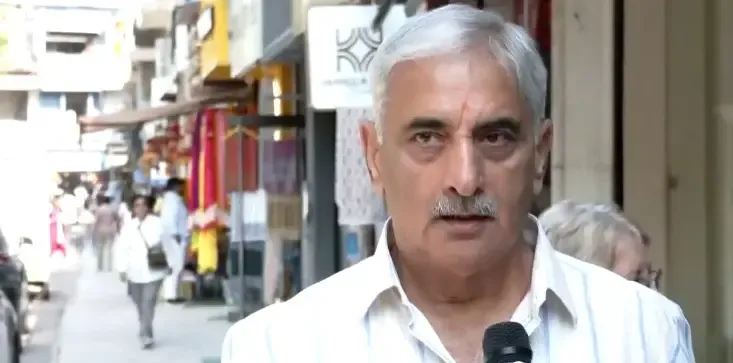
Sanjeev Mehta, president of the Khan Market Traders' Association, described near-deserted market lanes that would ordinarily be packed with festive shoppers. 'You can see the condition of the market; you will hardly find four customers walking around. This is all happening because of the protests and the restrictions. Customers are afraid and are not coming to the market. Shopkeepers are unable to make sales, goods are lying unsold, and they are facing difficulties,' Mehta said.
Mehta added that the festive window was existential for many traders. 'We make enough sales during these months to sustain ourselves for the rest of the year and support the families associated with our businesses. But these protests are hurting our sales,' he said. He alleged that the demonstrations lacked sufficient justification, particularly given their timing during the festival period, and warned that if losses mounted further, he would take to the streets to demand government compensation.
Impact on Retail Staff and Daily Operations
Preet, assistant manager at a store in Connaught Place, said employees were sitting idle through entire shifts without serving customers, even as management pressure to meet sales targets intensified. 'Business has been severely affected, and we are struggling to make ends meet. On top of that, the company is pressuring us to meet sales targets, asking why we are not generating sales,' Preet said. 'We come here, sit idle and leave without any work. There are almost no customers. Office-goers are still coming and going, but public footfall is zero,' Preet added.
Security Presence and Access Restrictions
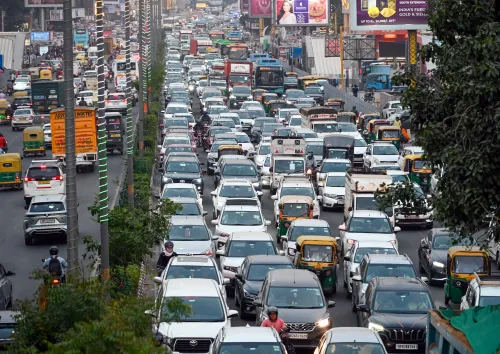
Multiple shopkeepers pointed to a visible build-up of police and security personnel as a key deterrent for shoppers. Restrictions on Metro services and private vehicle movement, they said, had made it physically difficult for customers to reach commercial zones. A shopkeeper at Shankar Market highlighted that road blockages were preventing customers from accessing shops entirely, while fixed overheads — electricity bills and staff salaries — continued to accumulate. 'If the roads are blocked, how will customers reach the market? The protests are adding to our expenses. If there is no business and no customers, how are we supposed to manage these expenses?' the shopkeeper said.
What Traders Are Demanding
Traders across all three markets called for an immediate return to normalcy, urging authorities to lift restrictions and allow business operations to resume without disruption. With the festive calendar running through Diwali and beyond, shopkeepers warned that every lost day erodes not just current-season revenues but also the capital needed to sustain operations through the leaner months ahead. How quickly authorities respond will determine whether Delhi's traders can salvage what remains of their most commercially vital quarter.
Point of View
While unlikely to succeed, signals that trader patience is running thin — and that if the disruption extends to Diwali week, the political cost could shift.
NationPress
16 Oct 2026
Frequently Asked Questions
How much are Delhi traders claiming to lose daily due to the protests?
Traders claim losses of approximately ₹100 crore every day, according to Atul Bhargava, president of the New Delhi Traders' Association. He said the losses span Connaught Place, Janpath, Palika Bazaar, Mohan Singh Place, Municipal Market, Shankar Market, and neighbouring areas.
Which markets in Delhi are most affected by the protests?
Khan Market, Connaught Place, Shankar Market, Janpath, Palika Bazaar, Mohan Singh Place, and Municipal Market are among the commercial areas reporting sharp declines in footfall. Traders at all three hubs told reporters that customer visits had fallen to near zero.
Why are customers avoiding Delhi markets during the festive season?
Traders attribute the drop in footfall to the visible presence of security personnel, road blockages, and restrictions on Metro services and private vehicle movement linked to ongoing protests. Shopkeepers say customers are apprehensive about visiting commercial areas under these conditions.
What are Delhi traders demanding from the authorities?
Traders are demanding an immediate end to road blockages and security restrictions so that normal business can resume. Khan Market Traders' Association president Sanjeev Mehta has warned that if disruptions continue and the festive season is ruined, he will take to the streets to demand government compensation.
Why is the festive quarter so critical for Delhi traders?
October, November, and December account for a disproportionately large share of annual sales for most retail businesses in Delhi. Traders say revenues earned in these three months help sustain their operations and support employee livelihoods throughout the rest of the year, making any disruption during this window especially damaging.