Delhi protests cost traders ₹3,000 crore in October, CTI warns of ₹10,000 crore loss by Diwali
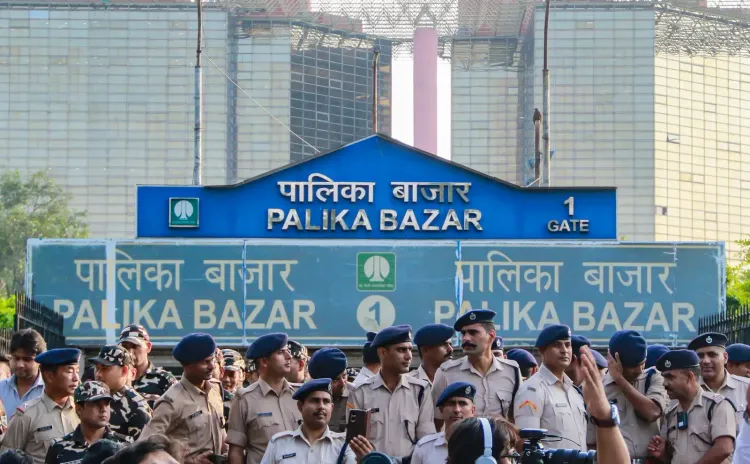
Synopsis
At the worst possible time — mid-Navratri, weeks from Diwali — Delhi's traders say protests have already cost them ₹3,000 crore, with 700+ markets affected and supply chains frozen. The CTI warns losses could hit ₹10,000 crore by Diwali and is demanding a protest ban in Central Delhi and a government relief package.
Key Takeaways
CTI estimates Delhi traders have suffered ₹3,000 crore in losses due to protests in October 2026 .
The protest on 10 October caused ₹2,000 crore in losses; the 13–16 October blockade added ₹1,000 crore more.
The retail sector bore the largest share at ₹1,800 crore , hitting more than 700 markets during the peak Navratri-Diwali season.
Wholesale trade lost ₹600 crore as 3–4 lakh buyers from neighbouring states stayed away from Delhi.
CTI Chairman Brijesh Goyal warned losses could cross ₹10,000 crore by Diwali if protests continue weekly.
CTI has demanded a protest ban in Central Delhi and Lutyens' Zone through Diwali, plus a relief package with GST and utility bill exemptions.
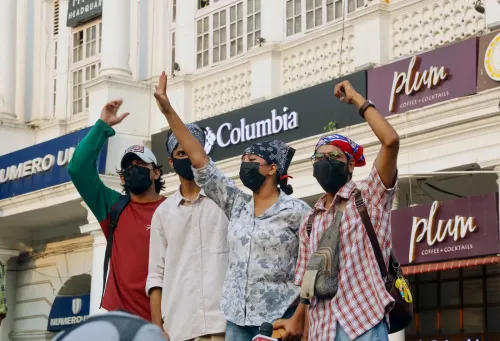
Traders in New Delhi have suffered an estimated loss of ₹3,000 crore in October 2026 owing to repeated protests that disrupted supply chains, shuttered markets, and blocked roads across the capital during the peak Navratri and Diwali festive season, according to the Chamber of Trade and Industry (CTI). The industry body has warned that losses could cross ₹10,000 crore by Diwali if demonstrations continue at the current pace.
How the Losses Accumulated
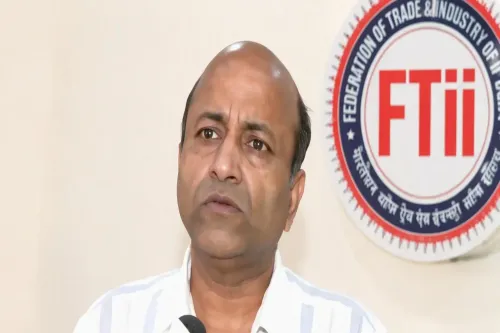
CTI Chairman Brijesh Goyal said the first protest, held on 10 October, alone wiped out ₹2,000 crore in business. The subsequent blockade, metro closure, and Central Park shutdown in Central Delhi between 13 and 16 October added a further ₹1,000 crore in losses, bringing the running total to ₹3,000 crore for the month. 'Navratri, Ramleela and Diwali are the only month for us to earn for the whole year. If protests continue every week, the loss will cross ₹10,000 crore by Diwali,' Goyal said.
Retail and Wholesale Trade Bear the Brunt
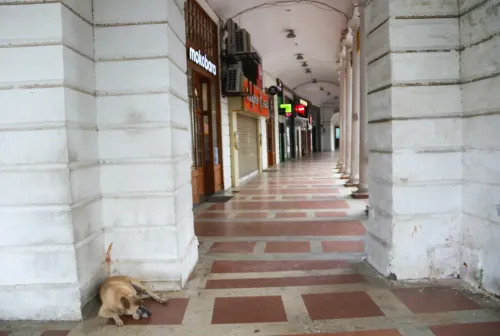
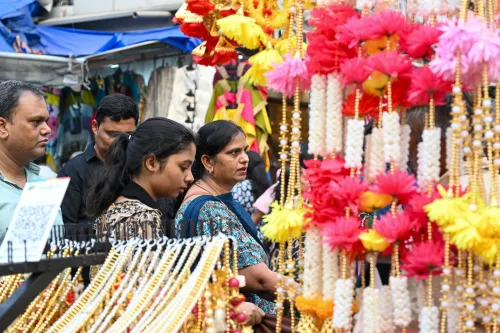
The retail sector has absorbed the largest share of the damage, with losses estimated at ₹1,800 crore, as footfall collapsed across more than 700 markets during the typically high-revenue festive window. Affected markets include Sadar Bazar, Chandni Chowk, Kashmiri Gate, Chawri Bazar, Bhagirath Place, Gandhi Nagar, Naya Bazar, Khari Baoli, Karawal Nagar, Karol Bagh, Lajpat Rai Market, and Connaught Place. Wholesale trade has reportedly lost about ₹600 crore, as an estimated 3 to 4 lakh wholesale buyers from Sonipat, Panipat, Gurugram, Faridabad, Noida, Ghaziabad, and Rajasthan stayed away from Delhi.
Supply Chain Disruptions and Festive Stock Stuck in Warehouses
Beyond direct sales losses, the CTI flagged a broader supply chain breakdown caused by a halt in truck movement. Festival-ready goods are reportedly lying in warehouses, unable to reach retailers. This compounds losses beyond the figures already tallied, particularly for perishable items and time-sensitive festive merchandise. The disruption is especially sharp because October is the single most critical month on Delhi's retail calendar.
Sectoral Breakdown of Losses
According to CTI's assessment, the hospitality and services sector lost an estimated ₹300 crore, while transport, auto-taxi, and tourism operators suffered losses of ₹180 crore. The informal sector — including daily wagers, artisans, and loading workers — absorbed losses of ₹120 crore, highlighting the outsized impact on Delhi's most economically vulnerable workers.
CTI's Demands to the Government
The industry body has called on authorities to impose a complete ban on dharna and protest activity in Central Delhi, New Delhi, and the Lutyens' Zone through Diwali. CTI has also proposed designating dedicated protest zones in outer Delhi localities such as Burari, Rohini, and Dwarka for future demonstrations. On the relief front, CTI has demanded a financial package covering the ₹3,000 crore in losses, along with exemptions from electricity bills, water charges, and GST. The body also urged police not to pressurise shopkeepers into shutting down, but instead provide security to keep markets open. Whether the government acts on these demands before Diwali will determine how much of the festive season can be salvaged for Delhi's trade community.
Point of View
000 crore figure is a CTI estimate, not a government-audited number, and the industry body has an obvious interest in pressuring authorities during the festive season — that context matters. But the underlying disruption is real: the Navratri-Diwali window is not one month among twelve for Delhi traders; it is effectively their annual harvest. Losing even a portion of it has cascading effects on informal workers, wholesale buyers, and festival-linked logistics that official GDP data will undercount. The demand to ban protests in Central Delhi raises a harder question the CTI sidesteps: what is the constitutional trade-off between the right to assemble and the right to livelihood? Routing demonstrations to Burari may seem pragmatic, but it also risks making protest visibility — and therefore political pressure — a function of real estate rather than democratic right. That tension deserves a serious policy answer, not just a seasonal ban.
NationPress
17 Oct 2026
Frequently Asked Questions
How much have Delhi traders lost due to protests in October 2026?
According to the Chamber of Trade and Industry (CTI), Delhi traders have lost an estimated ₹3,000 crore in October 2026. The tally includes ₹2,000 crore from the 10 October protest and ₹1,000 crore from the Central Delhi blockade between 13 and 16 October.
Which Delhi markets have been affected by the protests?
More than 700 markets have been impacted, including Sadar Bazar, Chandni Chowk, Kashmiri Gate, Chawri Bazar, Karol Bagh, Lajpat Rai Market, Connaught Place, and several others across the capital.
Why is the timing of the protests especially damaging for traders?
October coincides with the Navratri, Ramleela, and Diwali festive season — the single most critical sales period for Delhi's retail and wholesale markets. CTI says the festive window is essentially the year's primary earning period for most traders.
What has CTI demanded from the government?
CTI has demanded a complete ban on protests in Central Delhi, New Delhi, and the Lutyens' Zone until Diwali, a dedicated protest zone in outer Delhi localities like Burari, Rohini, and Dwarka, a relief package for the ₹3,000 crore in losses, and exemptions from electricity bills, water charges, and GST.
How could total losses reach ₹10,000 crore by Diwali?
CTI Chairman Brijesh Goyal has warned that if weekly protests continue through Diwali, cumulative losses could exceed ₹10,000 crore, as each disruption compounds the damage to retail, wholesale, logistics, and informal labour during the peak festive season.