DGCA Grants Air India Flight Duty Relaxations Amid Iran Conflict
Synopsis
The DGCA has temporarily eased flight duty regulations for Air India due to the Iran war, permitting longer routes and reduced crew requirements. This essential adjustment aims to maintain operations amid ongoing airspace restrictions.
Key Takeaways
DGCA relaxes flight duty norms for Air India .
Temporary changes effective until April 30 .
Permit for two pilots on long-haul flights.
Flight time limit extended to 11.5 hours .
Operational adjustments due to Iran conflict .
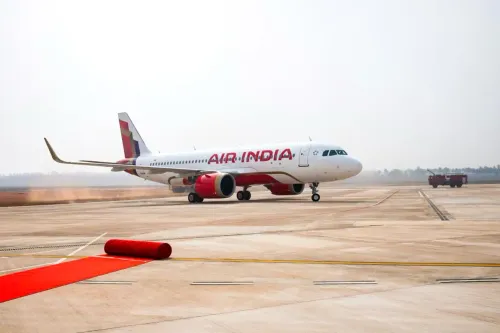
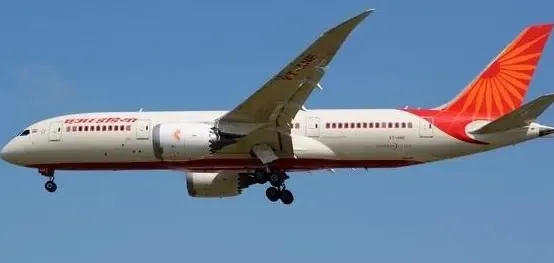
New Delhi, March 15 (NationPress) The Directorate General of Civil Aviation (DGCA) has granted temporary relaxations in flight duty regulations for Air India concerning long-haul flights to Europe, USA, and Canada. This decision comes as the airline navigates longer routes due to airspace restrictions resulting from the ongoing conflict in Iran, which has negatively affected operational efficiency and passenger movement.
Due to the conflict, the Tata Group-owned airline has been rerouting flights via Egypt to reach western destinations, leading to extended flight durations and increased fuel consumption.
After reviewing Air India’s appeal, the aviation regulator has temporarily relaxed certain Flight Duty Time Limitations (FDTL) standards until April 30.
The DGCA has allowed the airline to conduct long-haul operations with just two pilots, extending the Flight Time (FT) limit by 1.5 hours to 11.5 hours, and increasing the Flight Duty Period (FDP) by 1.75 hours to 11.75 hours.
This exemption also waives the usual 30-minute buffer requirement for roster planning.
Flight Time is defined as the total duration from when an aircraft begins its takeoff preparations until it comes to a complete stop after landing.
The Flight Duty Period starts when a flight crew member checks in for duty and concludes when the aircraft's engines are shut down after the last flight.
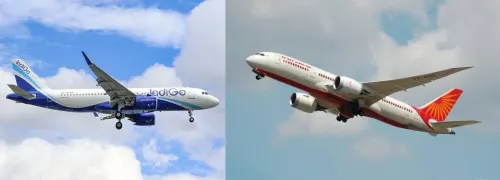
It remains unclear whether IndiGo, the low-cost carrier, has received similar exemptions for its long-haul operations.
The escalating conflict involving the US-Israel alliance against Iran, which intensified on February 28, has created significant airspace restrictions in the Middle East, prompting various airlines to reduce their services.
Air India requested permission to operate specific long-haul routes with a two-pilot setup instead of the usual three, along with an increase in maximum flying hours.
The airline sought a rise of one hour and three minutes in the permissible flying time, elevating the limit from 10 hours to approximately 11 to 11.5 hours.
Ongoing airspace restrictions in the region, compounded by the persistent closure of Pakistan's airspace for Indian carriers, have compelled airlines to take longer detours over the Arabian Sea, Central Asia, and certain parts of Africa.
These diversions markedly extend flight times, increase fuel usage, and impose additional strain on crew duty limits.
For Air India, avoiding the airspace over Iran and Iraq has significantly lengthened several long-haul routes, leading to the cancellation of multiple flights this week due to operational challenges.
Point of View
The DGCA's decision reflects the urgent need for regulatory flexibility amidst the geopolitical turmoil affecting airline operations. The focus remains on ensuring safety and operational viability for Air India while navigating the challenges posed by restricted airspace.
NationPress
21 Sept 2026
Frequently Asked Questions
What is the reason for the DGCA's decision?
The DGCA has relaxed flight duty norms for Air India due to airspace restrictions caused by the ongoing conflict in Iran.
How long will the relaxations be in effect?
The temporary relaxations are valid until April 30.
What changes were made to the flight duty regulations?
The DGCA allowed Air India to operate long-haul flights with two pilots, increasing the maximum flight time by 1.5 hours and extending the flight duty period by 1.75 hours.
Does this decision affect other airlines?
It is currently unclear if other airlines, such as IndiGo, have received similar exemptions.
What impact does the Iran conflict have on air travel?
The conflict has led to significant airspace restrictions, causing airlines to alter their routes, resulting in longer flight times and increased operational challenges.