DGCA issues Ebola SOP for airlines flying to Congo, Uganda

Synopsis
India's aviation regulator has pre-emptively issued a sweeping Ebola SOP covering over a dozen international carriers on Congo and Uganda routes — mandating health declarations, segregated seating, and immediate isolation protocols. The move signals that India is not waiting for a confirmed imported case before tightening its borders against the latest African outbreak.
Key Takeaways
The DGCA issued an Ebola SOP on 25 May for airlines operating flights linked to the Democratic Republic of the Congo and Uganda .
Airlines must enforce mandatory passenger health declarations before boarding and coordinate with airport health authorities on arrival.
Passengers showing symptoms must be placed in segregated seating during transit to reduce onboard transmission risk.
The directive covers 13 carriers on DRC routes and 17 carriers on Uganda routes, including Air India , IndiGo , Emirates , and Turkish Airlines .
The SOP is part of India's broader effort to prevent importation of infectious diseases at international entry points.
The Directorate General of Civil Aviation (DGCA) has issued a comprehensive Standard Operating Procedure (SOP) for airlines operating flights connected to the Democratic Republic of the Congo (DRC) and Uganda, mandating enhanced health screening and precautionary measures for all incoming passengers. The directive, issued on 25 May, comes amid heightened concern over active Ebola cases reported in parts of Africa.
What the SOP Mandates
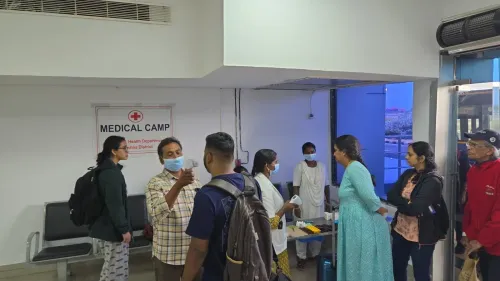
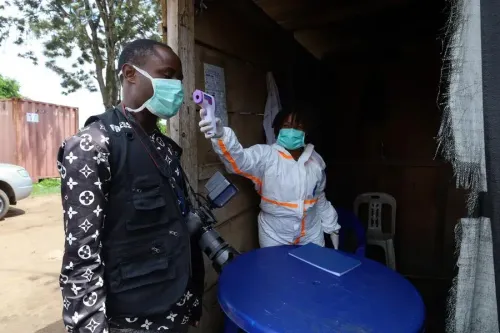
Under the new guidelines, airlines must implement mandatory passenger health declarations before boarding and adhere to strict monitoring protocols for travellers arriving from the affected regions. Carriers are also required to identify suspected cases immediately, initiate isolation measures, and coordinate with airport health authorities upon arrival.
The DGCA has further directed airlines to arrange segregated seating for passengers displaying symptoms or suspected of infection during transit, with the aim of minimising the risk of onboard transmission.
Airlines Covered Under the Directive
The SOP applies to a wide range of international carriers. For routes originating from the Democratic Republic of the Congo, the directive covers Ethiopian Airlines, Kenya Airways, Air Tanzania, EgyptAir, Qatar Airways, Uganda Airlines, Turkish Airlines, Emirates, Air France, Etihad Airways, Air India, IndiGo, and Akasa Air.
For flights originating from Uganda, the guidelines apply to Uganda Airlines, Ethiopian Airlines, Air Arabia, Emirates, flydubai, Kenya Airways, Qatar Airways, EgyptAir, Air Tanzania, Air India, SalamAir, Druk Air, Turkish Airlines, IndiGo, flynas, KLM, and Etihad Airways.
Why India Is Acting Now
Aviation and public health agencies have been working in coordination to strengthen surveillance at international entry points. The DGCA's move reflects a broader effort to prevent the importation of infectious diseases, particularly as Ebola outbreaks in central and east Africa have periodically triggered global health alerts in recent years.
Notably, this is not India's first such aviation-level health SOP — similar frameworks were activated during the COVID-19 pandemic and during earlier Ebola scares. The current directive signals that authorities are not waiting for a confirmed imported case before acting.
What Happens Next
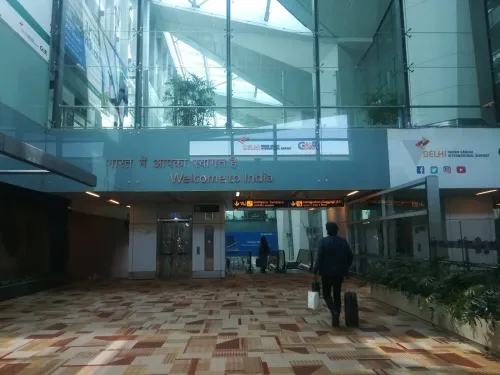
Airlines are expected to operationalise the health declaration and screening protocols immediately. Airport health officers at major international gateways — including New Delhi, Mumbai, and Bengaluru — are likely to be on heightened alert for passengers arriving via the covered routes. The DGCA has not specified a review timeline for the SOP, but such directives are typically revisited as the outbreak situation evolves.
Point of View
But the devil is in enforcement. Health declaration forms are only as useful as the follow-up — and at busy international hubs, symptomatic passengers have historically slipped through paper-based screens. The DGCA has named the airlines but has not publicly detailed the penalty framework for non-compliance, which is where past health SOPs have lost teeth. With Ebola's fatality rate historically ranging from 25% to 90% depending on the strain, the cost of a single missed case at an airport is asymmetric. The regulator would do well to publish a compliance audit mechanism alongside the SOP itself.
NationPress
10 Oct 2026
Frequently Asked Questions
What is the DGCA Ebola SOP issued for Congo and Uganda flights?
It is a Standard Operating Procedure issued by the Directorate General of Civil Aviation on 25 May, directing airlines on DRC and Uganda routes to enforce passenger health declarations, symptom-based isolation, and coordination with airport health authorities. The SOP covers over a dozen international and Indian carriers.
Which airlines are covered under the DGCA Ebola directive?
For DRC routes, the SOP covers Ethiopian Airlines, Kenya Airways, Air Tanzania, EgyptAir, Qatar Airways, Uganda Airlines, Turkish Airlines, Emirates, Air France, Etihad Airways, Air India, IndiGo, and Akasa Air. For Uganda routes, it additionally includes Air Arabia, flydubai, SalamAir, Druk Air, flynas, and KLM.
What do passengers travelling from Congo or Uganda need to do?
Passengers on these routes are required to complete a health declaration form before boarding. Those displaying symptoms may be placed in segregated seating and could face further screening or medical intervention upon arrival in India.
Why has the DGCA issued this Ebola SOP now?
The directive follows growing concern over active Ebola cases in parts of Africa. Indian aviation and health authorities are working together to prevent the importation of infectious diseases through international air travel, acting before any confirmed imported case is detected.
Has India issued similar aviation health SOPs before?
Yes. India has previously issued comparable aviation-level health directives during the COVID-19 pandemic and during earlier Ebola outbreaks. The current SOP follows an established framework of pre-emptive health surveillance at international entry points.