WHO chief urges end to Ebola travel bans as DRC, Uganda cases top 1,000
Synopsis
With Ebola cases surpassing 1,000 in the DRC and Uganda confirming infections in Kampala, WHO chief Tedros flew to the epicentre in Bunia to make a direct appeal: lift the travel bans. No approved vaccine exists for this strain, and WHO's core argument is that border closures suppress the transparency needed to stop the virus — a lesson the world learned, painfully, in West Africa a decade ago.
Key Takeaways
WHO Director-General Tedros Adhanom Ghebreyesus on 31 May called on countries to lift Ebola-related travel bans and border closures affecting the DRC and Uganda .
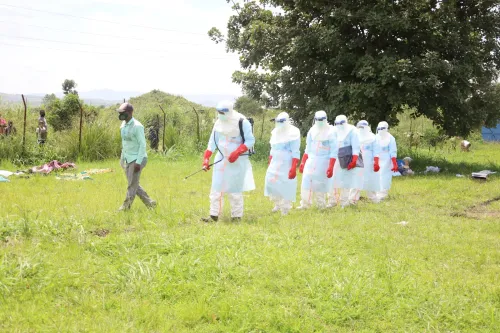
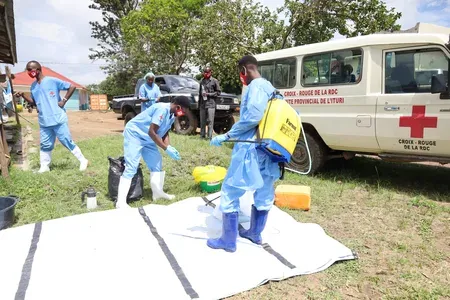
Over 1,000 suspected cases have been reported in the current outbreak, centred in Bunia, Ituri Province .
Uganda has confirmed nine cases , including two new infections in the capital Kampala .
DRC Health Minister Roger Kamba estimates containment within four to six months in the best-case scenario.
Of approximately 900 samples tested in the DRC, around 260 have tested positive; the backlog has been cleared.
No approved vaccines or specific medicines are currently available for this Ebola strain.
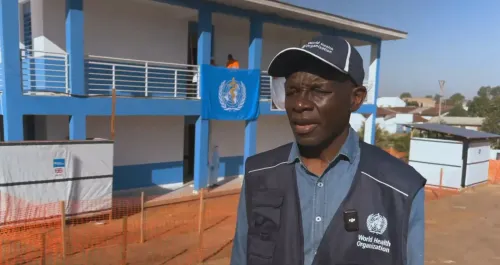
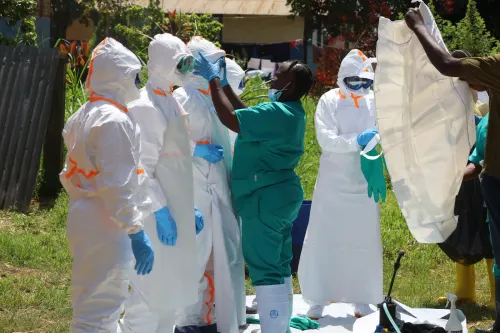
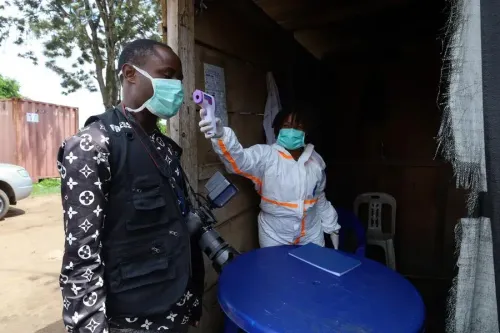
World Health Organization (WHO) Director-General Tedros Adhanom Ghebreyesus on Saturday, 31 May called on all countries that have imposed travel bans or border closures in response to the Ebola outbreak in the Democratic Republic of the Congo (DRC) and Uganda to reconsider those restrictions. Speaking from Bunia, the capital of the northeastern Ituri Province and the current epicentre of the outbreak, Tedros warned that such measures risk undermining the transparency and trust essential to containing the disease.
WHO Chief's Warning on Travel Restrictions
Addressing a joint press conference in Bunia, Tedros was unequivocal: 'I call on countries that have imposed travel bans or border closures to reconsider. These measures make the response harder, and they discourage transparency and trust that saves lives.' The appeal reflects a longstanding WHO position that travel bans during disease outbreaks tend to push information underground rather than halt transmission. This concern is particularly acute given that over 1,000 suspected cases have now been reported in the current outbreak.
Tedros also noted that his visit to Bunia was aimed at direct engagement with affected communities — a signal that WHO is prioritising ground-level trust-building alongside technical response. Despite the absence of approved vaccines or targeted medicines for this strain, he stressed that timely, quality medical care can still significantly improve patient survival outcomes.
Uganda Confirms Nine Cases, Including Two in Kampala
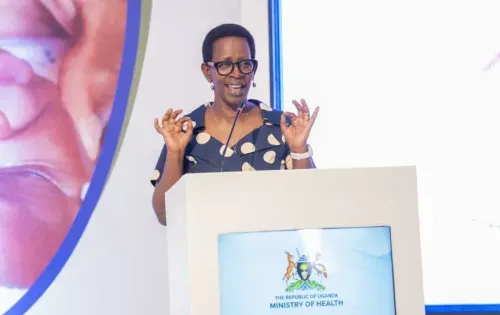
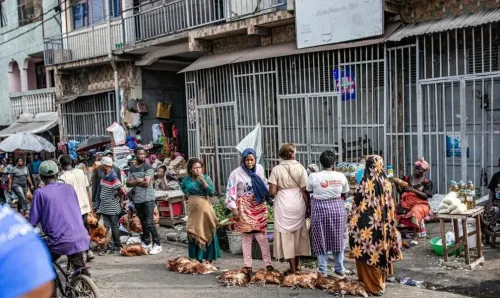
Uganda has confirmed nine cases of Ebola after detecting two new infections in the capital, Kampala, according to the Ugandan health ministry on Friday. The spread to Kampala — a major urban centre and international transit hub — has heightened concern among regional health authorities about the potential for wider geographic dispersal. This is the second time Uganda has been drawn into a DRC-linked Ebola episode in recent years, underscoring the persistent cross-border transmission risk along the two countries' shared frontier.
DRC's Containment Timeline and Lab Capacity
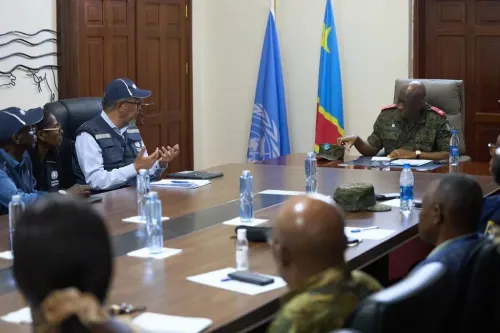
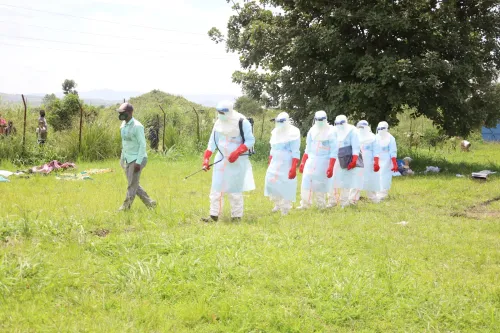
DRC Health Minister Roger Kamba said the country aims, in the best-case scenario, to contain and end the outbreak within four to six months, drawing on the DRC's accumulated experience in managing Ebola epidemics — the country has faced more outbreaks than any other nation. The immediate priority, Kamba said, is to prevent the virus from spreading beyond the three currently affected provinces: Ituri, North Kivu, and South Kivu.
On the diagnostic front, Kamba reported that the DRC has cleared its backlog of pending samples. Of roughly 900 samples tested so far, approximately 260 have returned positive. Crucially, the country now has the laboratory capacity to process all incoming samples, even if daily testing volumes climb to 200 or 300 samples — a meaningful improvement in the response infrastructure.
Context: Why This Outbreak Is Being Watched Closely
The current DRC Ebola outbreak is notable for several reasons. It is occurring simultaneously across three provinces with distinct geographic and security profiles, complicating coordinated response. The detection of cases in Kampala introduces an urban-transmission dimension that earlier DRC outbreaks largely avoided. Historically, WHO-recommended travel bans have been shown to delay aid workers and supplies while doing little to stop virus spread — the 2014–16 West Africa outbreak being the most cited precedent. The absence of an approved vaccine for this particular strain adds further urgency to every containment decision.
What Comes Next
Health authorities are focused on ring vaccination using experimental protocols, contact tracing across the three provinces, and securing cross-border cooperation with Uganda. The WHO's presence in Bunia signals an escalation in international engagement. Whether countries currently maintaining travel restrictions heed Tedros's appeal will be a key variable in how quickly — or slowly — the outbreak trajectory bends.
Point of View
However counterproductive. The more alarming signal in this outbreak is the Kampala detection: urban Ebola in a regional transport hub is a different containment problem than forest-edge transmission in Ituri. The DRC's four-to-six-month estimate is optimistic given that three geographically dispersed provinces are simultaneously affected, two of which — North and South Kivu — have active conflict zones that routinely obstruct health teams. The absence of an approved vaccine is the single biggest structural vulnerability, and it deserves far more prominent attention than the travel-ban debate.
NationPress
25 Sept 2026
Frequently Asked Questions
Why is WHO calling for an end to Ebola travel bans?
WHO Director-General Tedros Adhanom Ghebreyesus argues that travel bans and border closures make outbreak response harder by discouraging transparency and trust between affected countries and the international community. Historical evidence from previous Ebola outbreaks suggests such restrictions delay aid and supplies without meaningfully stopping viral spread.
How many Ebola cases have been reported in the DRC and Uganda?
Over 1,000 suspected cases have been reported in the DRC, concentrated in Ituri, North Kivu, and South Kivu provinces. Uganda has separately confirmed nine cases, including two new infections detected in the capital Kampala.
Is there a vaccine available for the current Ebola outbreak?
No approved vaccine or specific medicine is currently available for this strain of Ebola. WHO has stated that patients can still recover with timely, quality medical care, and experimental protocols are being considered for ring vaccination.
How long will it take to contain the DRC Ebola outbreak?
DRC Health Minister Roger Kamba said the country aims to contain the outbreak within four to six months in the best-case scenario, based on the DRC's prior experience with Ebola epidemics. The immediate goal is to prevent spread beyond the three currently affected provinces.
Why is the Kampala Ebola detection significant?
Kampala is Uganda's capital and a major international transit hub, meaning confirmed cases there raise the risk of wider geographic spread compared to rural transmission. It marks an urban dimension to the outbreak that health authorities are monitoring closely.