Uganda Ebola outbreak contained: travel restrictions sought to be lifted
Synopsis
Uganda has effectively contained its Ebola outbreak — declared just seven weeks ago after cases crossed over from Congo — with 16 of 20 confirmed patients now recovered. Kampala is now pushing to lift travel bans and has sent mobile labs and medical teams into Congo to stop the outbreak at its source, betting that regional cooperation is the fastest route to an official all-clear.
Key Takeaways
Uganda declared its Ebola outbreak on 15 May 2025 after cases were imported from the Democratic Republic of Congo .
As of 5 July , Uganda recorded 20 confirmed cases — 15 imported from Congo and 5 locally transmitted .
16 patients have recovered, 2 remain hospitalised, and 2 have died.
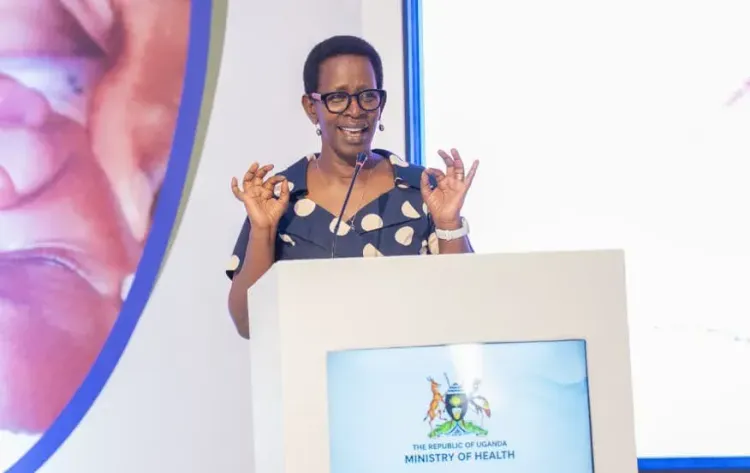
Diana Atwine , Permanent Secretary, Ministry of Health, confirmed containment via treatment, contact tracing, and quarantine.
A formal 42-day countdown to Ebola-free status begins only after the last patient can no longer transmit the virus.
Uganda has dispatched two mobile laboratories and medical personnel to Congo as part of a joint cross-border response.
Uganda has largely contained its Ebola outbreak, nearly two months after the epidemic was declared on 15 May 2025 following the importation of cases from neighbouring Democratic Republic of Congo (DRC), a senior government health official confirmed on 6 July. The announcement marks a significant turning point in Kampala's public health response and opens the door to lifting Ebola-related travel restrictions imposed by several countries.
Official Assessment
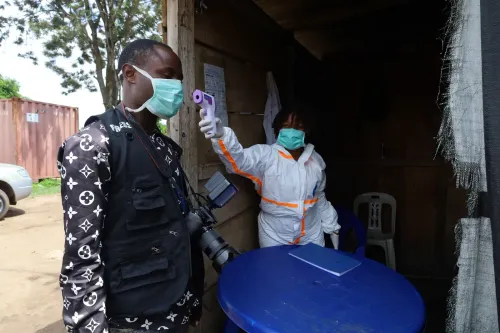
Diana Atwine, Permanent Secretary at Uganda's Ministry of Health, stated in a post on social media platform X that the outbreak had been contained through a three-pronged strategy: treatment of all imported confirmed cases and those they subsequently infected, rigorous contact tracing and quarantine, and the provision of required supportive care. She also noted that the Ministry had implemented preventive measures specifically targeting cross-border spread from eastern Congo, the epicentre of the ongoing regional outbreak.
Case Count and Current Status
According to the Ministry of Health, Uganda had recorded 20 cumulative confirmed Ebola cases as of 5 July, since the outbreak was declared. Of these, 15 were imported cases from Congo and five were locally transmitted. As of the same date, 16 patients have recovered, two remain hospitalised, and two have died. The relatively low fatality count is attributed to early detection and prompt clinical intervention.
The Road to Ebola-Free Status
The Ministry clarified that the formal 42-day countdown to declaring Uganda Ebola-free will commence only after the last confirmed patient is no longer capable of transmitting the virus. If no new cases are confirmed during that period, the outbreak will be officially declared over. This protocol follows established World Health Organization (WHO) guidelines for Ebola outbreak closure.
Cross-Border Response with Congo
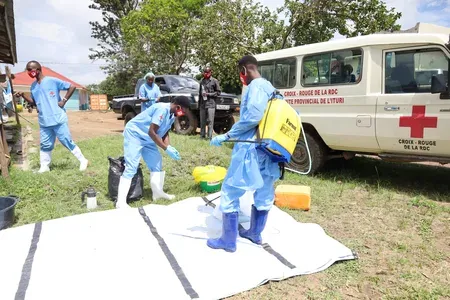
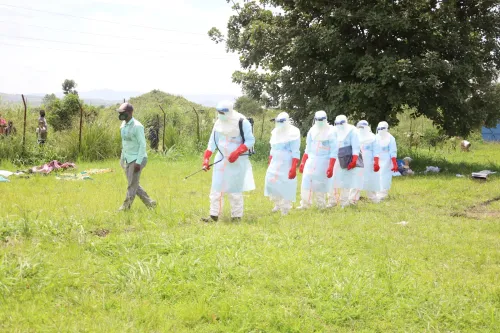
Earlier on the same day, Atwine disclosed that a large team of Ugandan medical personnel, along with two mobile laboratories and logistical support, had been dispatched to Congo to bolster that country's Ebola response. 'This joint Uganda-Congo initiative aims to strengthen the cross-border Ebola response by reducing the movement of Ebola patients into Uganda seeking care, curbing cross-border transmission, and ending the outbreak sooner,' she said. This collaborative deployment underscores the regional dimension of the crisis — one that cannot be resolved by any single country acting alone.
Travel Restrictions and Diplomatic Outreach
Uganda has begun formal diplomatic engagement with countries that imposed Ebola-related travel restrictions, seeking to have those measures lifted in light of the containment progress. The lifting of such restrictions would have economic and logistical significance for Uganda, which relies on cross-border trade and regional tourism. Notably, this is a pattern seen in past outbreaks — countries often struggle to shed travel bans even after demonstrating effective containment, making early diplomatic outreach critical.
Point of View
Not epidemiological. Travel restrictions, once imposed, have historically outlasted outbreaks by weeks or months, inflicting economic damage on countries that have already done the work. The joint deployment into Congo is the strategically smart move: Uganda understands that as long as eastern Congo remains an active reservoir, the 42-day clock will keep resetting. What this episode also surfaces is the structural fragility of cross-border health surveillance in the Great Lakes region — a gap that bilateral mobile labs cannot permanently fix without sustained multilateral investment.
NationPress
5 Oct 2026
Frequently Asked Questions
Has Uganda contained the Ebola outbreak?
Yes, according to Uganda's Ministry of Health, the outbreak has been contained as of early July 2025 through treatment of all confirmed cases, contact tracing, quarantine, and supportive care. However, two patients remain hospitalised and the formal 42-day countdown to Ebola-free status has not yet begun.
How many Ebola cases has Uganda recorded?
Uganda recorded 20 cumulative confirmed Ebola cases as of 5 July 2025. Of these, 15 were imported from the Democratic Republic of Congo and 5 were locally transmitted. Sixteen patients have recovered, two remain hospitalised, and two have died.
When will Uganda be declared Ebola-free?
Uganda will begin a 42-day countdown to an official Ebola-free declaration only after the last confirmed patient is no longer capable of transmitting the virus. If no new cases emerge during that window, the outbreak will be declared over, in line with WHO protocols.
Why did Uganda send medical teams to Congo?
Uganda dispatched a large medical team, two mobile laboratories, and logistical support to Congo to strengthen the joint cross-border Ebola response. The goal is to reduce the movement of Ebola patients from Congo into Uganda, curb cross-border transmission, and help end the regional outbreak faster.
Which countries imposed travel restrictions on Uganda due to Ebola?
The Ministry of Health has not publicly named the specific countries, but Uganda has begun diplomatic engagement with all nations that imposed Ebola-related travel restrictions, seeking to have those measures lifted given the containment progress reported as of 6 July 2025.