Ebola cases in DRC and Uganda cross 600 amid critical response gaps
Synopsis
The Ebola outbreak spanning the DRC and Uganda has crossed 600 confirmed cases with a 16.7% fatality rate — and the Africa CDC's warning is stark: health facilities lack basic supplies, health workers are unpaid, insecurity is blocking access, and community trust has broken down. The outbreak is not just a medical crisis; it is an infrastructure and governance failure unfolding in real time.
Key Takeaways
Confirmed Ebola cases in the DRC and Uganda have reached 608 as of 9 June 2025 .
The death toll stands at 102 , representing a case fatality rate of 16.7 per cent .
Ituri Province in eastern DRC accounts for more than 94 per cent of the country's total caseload, with 45 new cases in a single day.
Uganda has reported 19 cumulative cases and no new confirmed cases in the latest 24-hour period.
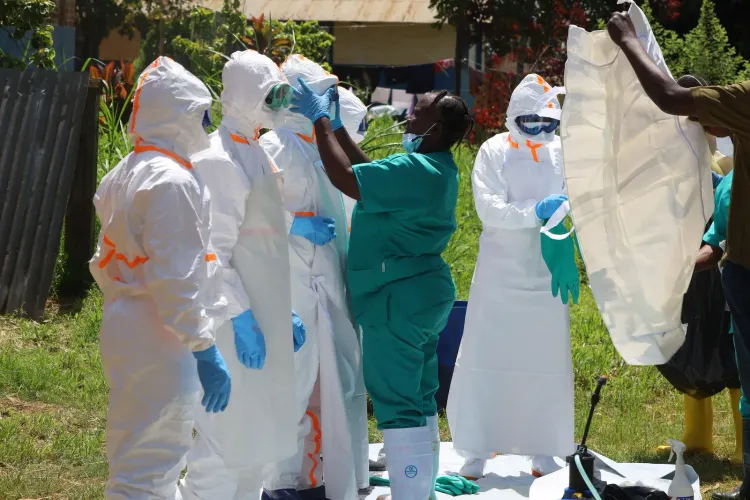
The Africa CDC flagged critical shortages of PPE, potable water, and decontamination supplies, alongside unpaid health workers and insecurity.
Travel restrictions on affected countries are being condemned as counterproductive by both the Africa CDC and the WHO .
Confirmed Ebola cases across the Democratic Republic of the Congo (DRC) and Uganda have surpassed 600, with the Africa Centres for Disease Control and Prevention (Africa CDC) warning on Tuesday, 9 June that response operations are buckling under severe operational constraints. The combined caseload has reached 608 confirmed cases, with the death toll standing at 102 — a case fatality rate of 16.7 per cent as of Monday.
Current Outbreak Status
Uganda has recorded 19 cumulative cases and reported no new confirmed cases in the latest 24-hour window. The situation in the DRC remains far more acute, with 45 new confirmed cases logged in a single day, all concentrated in Ituri Province in the country's east. Ituri now accounts for more than 94 per cent of the DRC's total caseload, making it the epicentre of the current outbreak.
Operational Constraints on the Ground
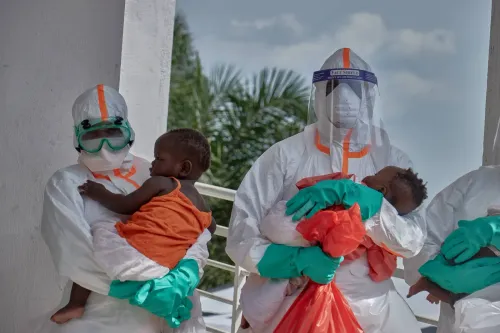
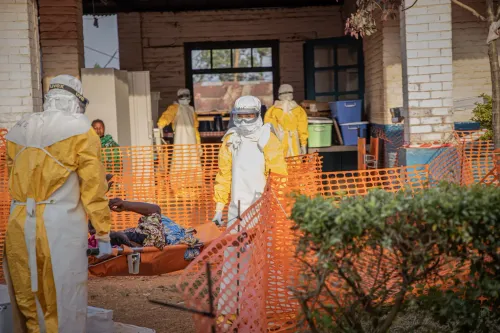
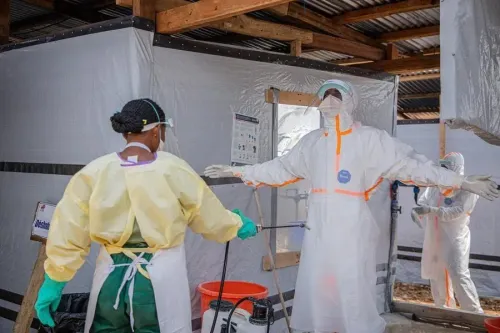
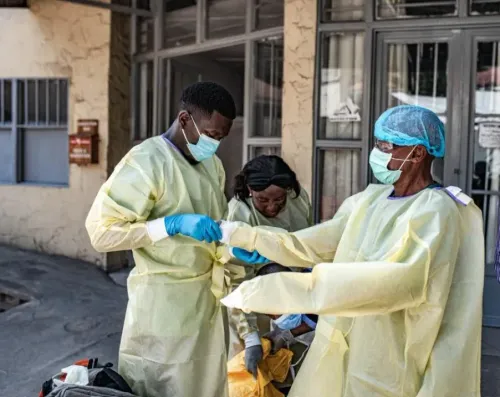
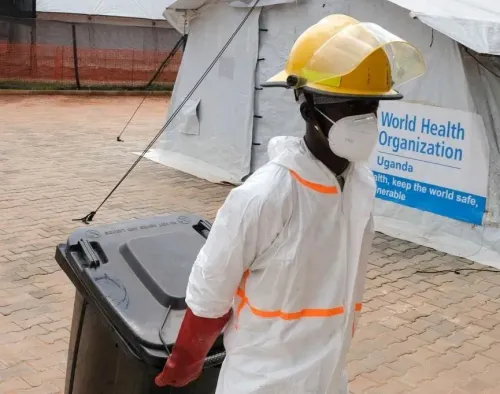
The Africa CDC — the African Union's specialised continental public health agency — has flagged that health facilities in several affected zones are in poor condition and routinely lack potable water, incinerators, personal protective equipment, and decontamination supplies. Insecurity in the region, a shortage of ambulances, mounting staffing pressures — including health workers who are unpaid or operating without incentives — and deteriorating road infrastructure are further hampering access and slowing response timelines.
Critically, the agency identified a 'lack of community trust' as a challenge that is actively jeopardising ongoing containment efforts. Without community cooperation, contact tracing and safe burial practices — two pillars of Ebola response — cannot function effectively.
Travel Restrictions Drawing Concern
The Africa CDC also raised concern over travel restrictions being imposed on affected and at-risk African countries, describing these measures as having negative impacts on the response. The agency noted that such restrictions run contrary to guidance issued by both the World Health Organisation (WHO) and the Africa CDC itself, and risk isolating affected regions at a time when coordinated international support is most needed.
Immediate Priorities Outlined
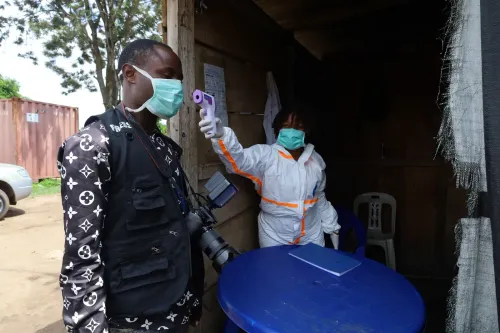
The agency has laid out several immediate priorities to arrest the outbreak's spread. These include strengthening community engagement and risk communication, fast-tracking multidisciplinary rapid response teams to high-risk areas, closing gaps in infection prevention and safe burial protocols, and enhancing surveillance and contact follow-up systems. This outbreak represents one of the most operationally complex Ebola responses on the continent in recent years, given the convergence of insecurity, infrastructure deficits, and cross-border spread into Uganda.
With transmission still active in Ituri Province and systemic constraints unresolved, the trajectory of the outbreak will depend heavily on whether international partners can accelerate resource deployment to the affected zones in the coming days.
Point of View
But the Africa CDC's operational audit is the real story — unpaid health workers, no PPE, broken community trust, and active insecurity in Ituri Province describe a response architecture that is failing before it can function. This is not simply an Ebola outbreak; it is a stress test of post-pandemic African health infrastructure, and the cracks are wide. Travel bans imposed by third-party nations compound the problem by reducing the political incentive for affected governments to report transparently. The international community's response in the next two weeks will determine whether this remains a regional emergency or escalates further.
NationPress
23 Oct 2026
Frequently Asked Questions
How many Ebola cases have been confirmed in DRC and Uganda?
As of Monday, 9 June 2025, a combined total of 608 confirmed Ebola cases have been recorded across the Democratic Republic of the Congo and Uganda, with 102 deaths — a case fatality rate of 16.7 per cent, according to the Africa CDC.
Where is the Ebola outbreak most concentrated?
The outbreak is primarily concentrated in Ituri Province in eastern DRC, which accounts for more than 94 per cent of the country's total confirmed caseload. Uganda has reported 19 cumulative cases with no new confirmed cases in the latest 24-hour period.
What operational challenges are slowing the Ebola response?
The Africa CDC has identified multiple constraints including health facilities lacking potable water, PPE, incinerators, and decontamination supplies, as well as insecurity, ambulance shortages, unpaid health workers, and poor road infrastructure. A critical lack of community trust is also hampering contact tracing and safe burial efforts.
Why is the Africa CDC concerned about travel restrictions?
The Africa CDC has warned that travel restrictions imposed on affected and at-risk African countries are negatively impacting the outbreak response, contrary to guidance from both the WHO and the Africa CDC. Such bans can isolate affected regions and reduce transparency in reporting.
What are the immediate priorities to contain the outbreak?
The Africa CDC has outlined priorities including strengthening community engagement and risk communication, deploying multidisciplinary rapid response teams to high-risk areas, improving infection prevention and safe burial practices, and enhancing surveillance and contact tracing systems.