Uganda deploys health workers, labs to DRC amid Ebola outbreak
Synopsis
As the DRC's Ebola toll climbs to 515 confirmed cases and 91 deaths, Uganda isn't waiting — it has deployed health workers, set up 50-bed treatment units, and installed two mobile labs at its border towns. With 19 of its own confirmed cases already, Uganda's response is both an act of regional solidarity and urgent self-protection.
Key Takeaways
Uganda has deployed health workers to the DRC to support Ebola containment, confirmed on 8 June .
Uganda is establishing 50-bed treatment units this week in eastern DRC, the outbreak's epicentre.
Two mobile laboratories are operational in border towns Bwera and Arua for Ebola testing.
The DRC has recorded 515 confirmed cases and 91 deaths ; 283 patients remain in isolation.
Uganda has logged 19 confirmed cases — 14 linked to DRC arrivals, 5 Ugandan nationals — with 2 deaths .
WHO chief Tedros Adhanom Ghebreyesus visited Kampala and commended Uganda's response efforts.
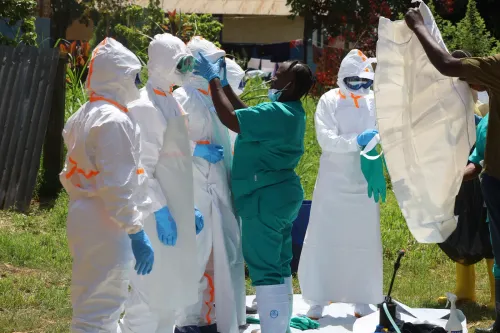
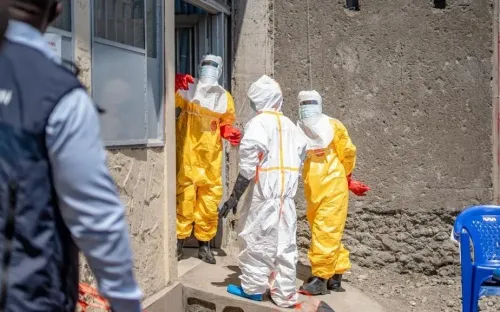
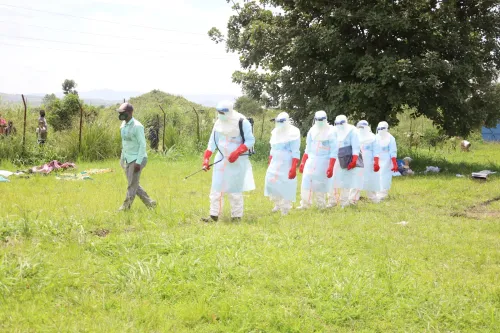
Uganda has deployed a team of health workers to the Democratic Republic of the Congo (DRC) to help contain the ongoing Ebola outbreak in the neighbouring country, a senior Ugandan health official confirmed on Monday, 8 June. The deployment signals a significant regional solidarity effort as the DRC's confirmed case count climbs to 515, including 91 deaths.
What Uganda Is Doing
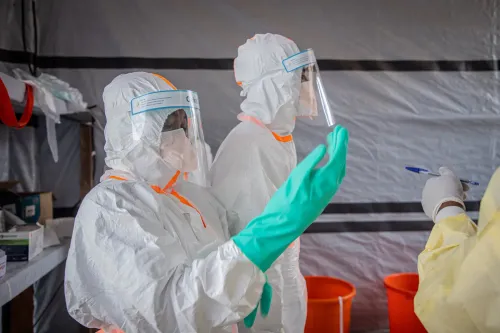
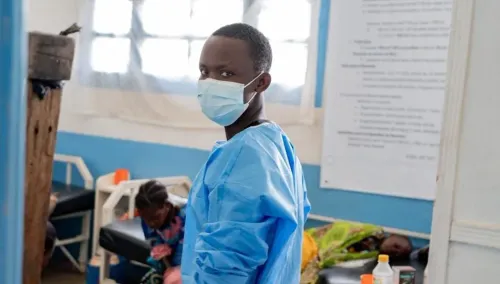
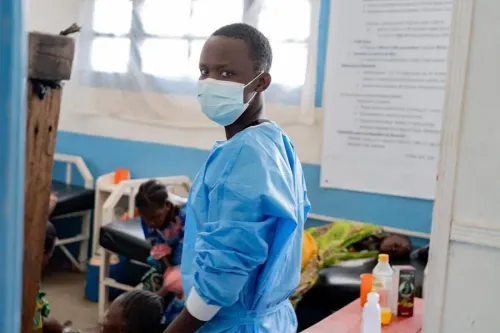
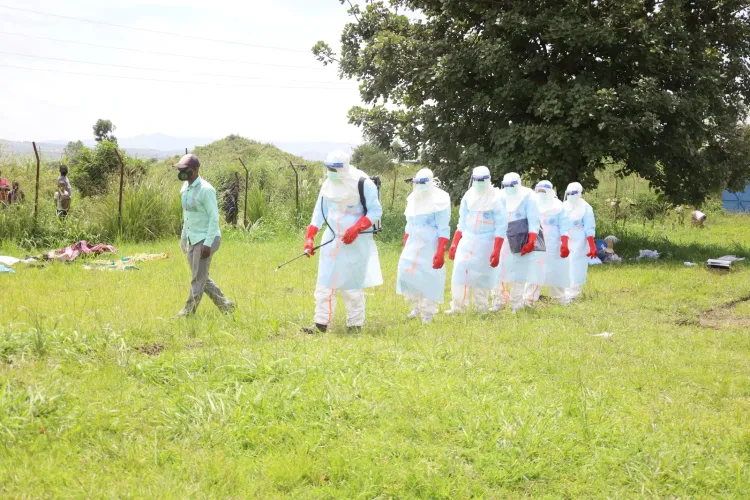
Diana Atwine, Permanent Secretary at Uganda's Ministry of Health, disclosed the measures during a meeting with World Health Organisation (WHO) Director-General Tedros Adhanom Ghebreyesus in Kampala. According to a post by the ministry on social media platform X, Atwine said Uganda is setting up 50-bed treatment units this week to bolster Ebola response capacity in eastern DRC, the epicentre of the current outbreak.
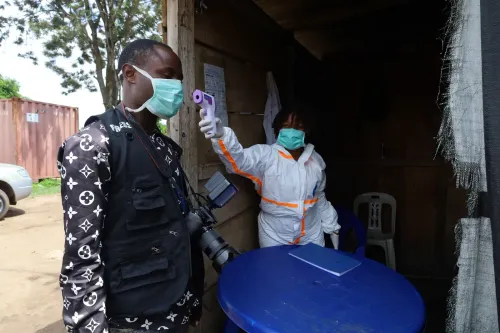
Additionally, two mobile laboratories have already been established in the border towns of Bwera and Arua to support Ebola testing and diagnostic services directly serving the DRC side of the border.
WHO Chief's Visit and Commendation
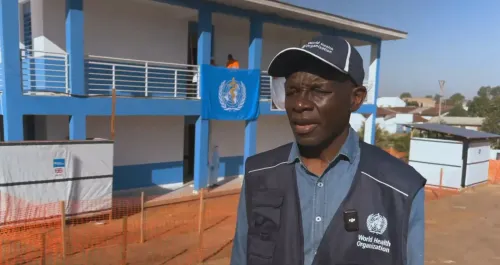
Tedros, who is on an official visit to Uganda specifically to support the country's Ebola response, commended Uganda's commitment and expressed confidence in its capacity to manage the disease. He urged Kampala to continue backing the DRC's containment efforts, underscoring the cross-border nature of the public health risk.
Uganda's Own Case Count
Uganda has recorded 19 confirmed Ebola cases so far, according to the latest figures from its Ministry of Health. Of these, 14 were among individuals who entered from the DRC, while five are Ugandan nationals. Two people from the DRC have died on Ugandan soil. The figures highlight the porous nature of the border and the direct spillover risk Uganda faces.
Situation Inside the DRC
The DRC's confirmed Ebola tally stands at 515 cases and 91 deaths, according to figures published on Sunday by the country's health ministry. Health authorities warned of continued transmission and the risk of further escalation if control measures are not rapidly strengthened. An additional 117 suspected cases were recorded, while 283 patients remained in isolation or hospitalisation. On a more encouraging note, three more patients were declared recovered, bringing total recoveries to 12 as of 6 June.
This comes amid broader concerns about eastern DRC's fragile health infrastructure and ongoing security challenges, which have historically complicated Ebola response operations in the region. Uganda's proactive cross-border support — including mobile labs and treatment capacity — reflects lessons learned from the country's own past Ebola outbreaks, where rapid containment proved critical. How quickly the DRC can scale up its response will determine whether this outbreak remains regionally contained.
Point of View
Kampala's best defence is helping extinguish the fire next door. The mobile labs at Bwera and Arua are particularly significant: diagnostic bottlenecks have historically allowed Ebola to spread undetected across porous borders. What this response still lacks is a clear public timeline for the 50-bed units and a transparent mechanism for tracking outcomes of deployed personnel. The WHO's visible endorsement adds diplomatic weight, but the hard work is logistical — and eastern DRC's security situation remains an unpredictable variable that no amount of goodwill can fully offset.
NationPress
23 Sept 2026
Frequently Asked Questions
Why has Uganda deployed health workers to the DRC?
Uganda has deployed health workers to the DRC to help contain an active Ebola outbreak that has already spilled across the border, with 14 of Uganda's 19 confirmed cases linked to individuals who entered from the DRC. The deployment includes setting up 50-bed treatment units and mobile laboratories at border towns.
How many Ebola cases has the DRC recorded?
The DRC has recorded 515 confirmed Ebola cases and 91 deaths as of the latest update published on Sunday. An additional 117 suspected cases were noted, and 283 patients remained in isolation or hospitalisation, while 12 people had recovered as of 6 June.
How many Ebola cases has Uganda confirmed?
Uganda has confirmed 19 Ebola cases so far — 14 among people who entered from the DRC and 5 Ugandan nationals. Two people from the DRC have died on Ugandan soil, according to Uganda's Ministry of Health.
What did WHO chief Tedros say about Uganda's response?
WHO Director-General Tedros Adhanom Ghebreyesus, who visited Kampala specifically to support Uganda's Ebola response, commended the country's commitment and expressed confidence in its ability to manage the disease. He urged Uganda to continue supporting the DRC's containment efforts.
Where are Uganda's mobile Ebola laboratories located?
Two mobile laboratories have been established in the Ugandan border towns of Bwera and Arua to support Ebola testing and diagnostic services for the DRC. These labs are designed to provide rapid diagnostic capacity close to the outbreak's eastern DRC epicentre.