Uganda Ebola outbreak declared over by WHO, Africa CDC after 42 days
Synopsis
Uganda's Ebola outbreak is officially over — but the declaration comes with a stark warning. Of the 20 confirmed cases, 15 were imported from the DRC, which continues to see active transmission. WHO and Africa CDC say the region will not be truly secure until the DRC outbreak is stopped, making Uganda's success a milestone, not a finish line.
Key Takeaways
WHO and Africa CDC declared the end of Uganda's Ebola outbreak on 27 August after 42 consecutive days without a new confirmed case.
Uganda recorded 20 confirmed cases and 2 deaths since the outbreak was declared on 15 May .
15 of the 20 cases were imported from the neighbouring Democratic Republic of the Congo (DRC) ; 5 were locally acquired .
The DRC continues to see active Ebola transmission, posing an ongoing risk to neighbouring countries through cross-border movement.
WHO and Africa CDC pledged continued support under a joint continental preparedness and response plan, with the DRC response remaining a central priority.
The World Health Organisation (WHO) and the Africa Centres for Disease Control and Prevention (Africa CDC) on Thursday, 27 August officially declared the end of the Ebola outbreak in Uganda, following 42 consecutive days without a new confirmed case since the country's last patient was discharged. The declaration marks a significant public health milestone for Kampala, though health authorities warn that the threat has not disappeared from the broader region.
Why 42 Days Is the Benchmark
The 42-day period is not arbitrary — it equals twice the upper limit of Ebola's incubation period, providing sufficient confidence that no undetected chains of transmission linked to the last imported case remain active. The WHO Regional Office for Africa described the completion of this window as a critical step in certifying the outbreak's end.
How Uganda Contained the Outbreak
Uganda reported 20 confirmed Ebola cases during the outbreak, including two deaths, following the initial outbreak declaration on 15 May. Of these, 15 cases were imported from the neighbouring Democratic Republic of the Congo (DRC), while five were locally acquired among contacts and health workers linked to the imported cases.
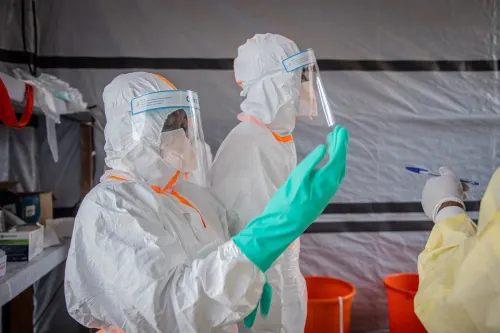
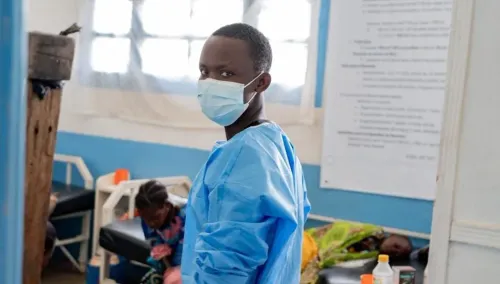
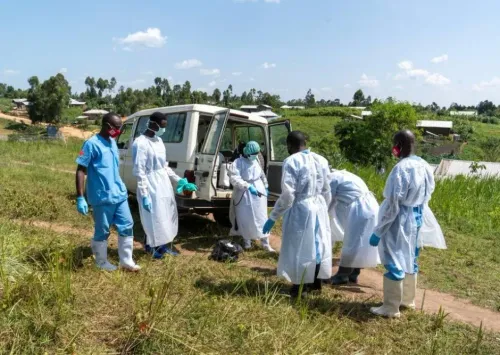
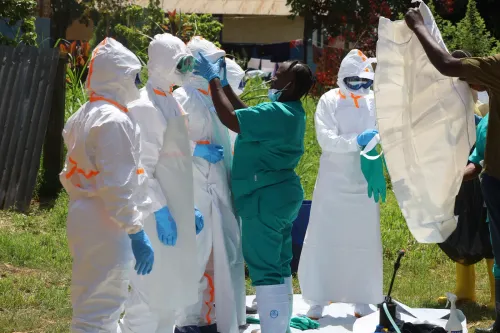
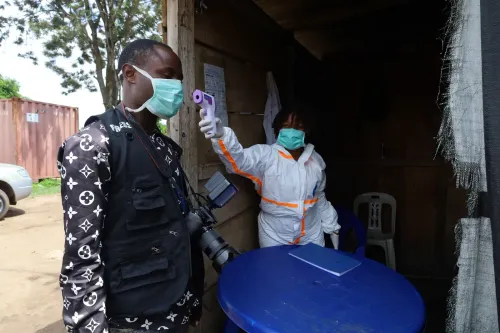
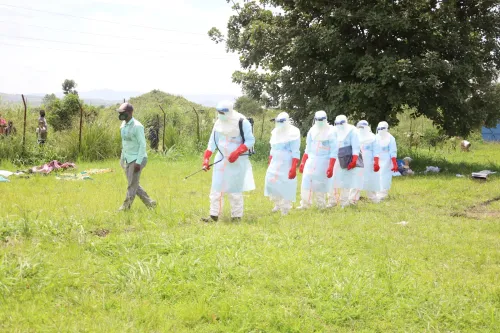
According to WHO, Uganda — with support from national and international partners — rapidly interrupted local transmission through strong government leadership and early, comprehensive measures. These included case detection and confirmation, contact tracing, isolation, and clinical care, as well as heightened surveillance at health facilities and points of entry.
What Global Health Leaders Said
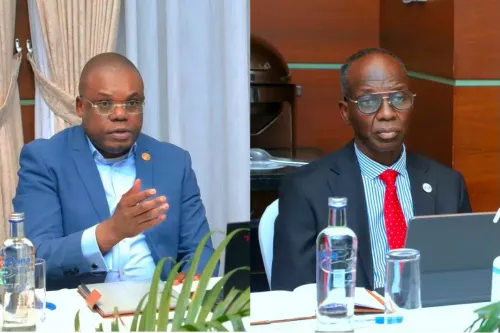
WHO Director-General Tedros Adhanom Ghebreyesus credited Uganda's swift response, saying: 'Uganda has demonstrated that with decisive action, Ebola outbreaks can be brought under control quickly.' He added that 'with a focus on preparedness, increased surveillance to find potential cases in health facilities and communities, and careful management of points of entry, countries can keep people and goods moving while ensuring people stay safe, or receive care if they are sick.'
Africa CDC Director-General Jean Kaseya described the outcome as a continental lesson: 'Uganda has shown that Ebola can be stopped when leadership acts decisively, communities are trusted and public health systems reach people quickly.' Kaseya also issued a caution: 'This is a victory for Uganda and an important lesson for our continent. We must now protect this achievement while accelerating the response in the Democratic Republic of the Congo. We will only be secure when transmission is stopped everywhere.'
The DRC Threat Remains
Both WHO and Africa CDC stressed that while Uganda's outbreak is over, the DRC continues to battle active Ebola transmission. Close social and economic ties, frequent population movement, and cross-border trade mean neighbouring countries remain at risk of further imported cases.
Both institutions pledged continued support under a joint continental preparedness and response plan, with ending transmission in the DRC described as a central regional priority. Mohamed Janabi, WHO regional director for Africa, confirmed: 'WHO will continue working with the government and partners to help preserve these gains and keep communities safe.'
What Comes Next
Health authorities have indicated that surveillance will remain elevated at Uganda's borders, particularly along corridors with the DRC. The outbreak's containment — achieved despite the challenge of imported cases — is being studied as a model for rapid response in resource-constrained settings. Whether Uganda's gains hold will depend in large part on how quickly transmission in the DRC can be brought under control.
Point of View
Which means Uganda's biosecurity is only as strong as the DRC's outbreak response. With the DRC still in active transmission and cross-border trade and movement continuing at scale, the region is managing a slow-moving risk, not a resolved one. The real test for WHO and Africa CDC is whether the 'joint continental preparedness plan' translates into measurable DRC containment, or remains a diplomatic commitment without operational teeth.
NationPress
12 Oct 2026
Frequently Asked Questions
Why has the Ebola outbreak in Uganda been declared over?
WHO and Africa CDC declared the outbreak over after Uganda recorded 42 consecutive days without a new confirmed Ebola case — a period equal to twice the upper limit of the virus's incubation period. This threshold provides sufficient confidence that no hidden chains of transmission remain active.
How many Ebola cases and deaths did Uganda record?
Uganda recorded 20 confirmed Ebola cases and 2 deaths during the outbreak, which was officially declared on 15 May. Of these, 15 cases were imported from the neighbouring DRC and 5 were locally acquired among contacts and health workers.
Is the Ebola threat in the region completely over?
No. While Uganda's outbreak has ended, the DRC continues to experience active Ebola transmission. WHO and Africa CDC have warned that close social ties, population movement, and cross-border trade keep neighbouring countries at risk of further imported cases.
What measures helped Uganda contain the Ebola outbreak?
Uganda used a combination of rapid case detection and confirmation, contact tracing, isolation, clinical care, and heightened surveillance at health facilities and border points of entry. Strong government leadership and early international support were credited as key factors.
What happens next for Uganda and the region?
Surveillance will remain elevated at Uganda's borders, particularly along corridors with the DRC. Both WHO and Africa CDC have committed to continuing support under a joint continental preparedness and response plan, with ending DRC transmission identified as the central regional priority.