Africa CDC praises Uganda's Ebola containment amid record DRC outbreak
Synopsis
Uganda has closed its Ebola chapter — but the real story is what's happening next door. The DRC's Bundibugyo Ebola outbreak has now surpassed the catastrophic 2018–2020 epidemic, with 3,605 cases and 1,587 deaths across five provinces. Africa CDC's praise for Kampala doubles as a warning: cross-border vigilance cannot slip while the region's worst-ever outbreak is still burning.
Key Takeaways
Africa CDC Director-General Jean Kaseya praised Uganda for containing its Ebola outbreak, citing strong national leadership and coordinated action.
Uganda declared the end of its outbreak on 28 July ; its last patient was discharged on 16 July after testing negative.
The DRC has reported 3,605 confirmed Ebola cases and 1,587 deaths , making it the largest outbreak ever recorded in the country.
The DRC outbreak has spread to 49 health zones across five provinces , up from a single health zone in Ituri .
151 health workers have been infected and 44 have died in the DRC, signalling critical gaps in infection control at facilities.
The Africa Centres for Disease Control and Prevention (Africa CDC) on Monday, 3 August commended Uganda for successfully containing its latest Ebola outbreak, crediting strong national leadership and coordinated multi-agency response. The praise came as the neighbouring Democratic Republic of the Congo (DRC) grapples with the largest Ebola outbreak ever recorded in that country.
What Africa CDC Said
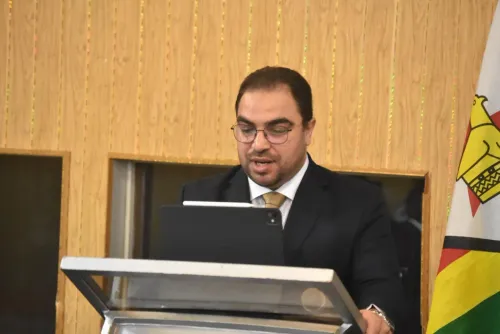
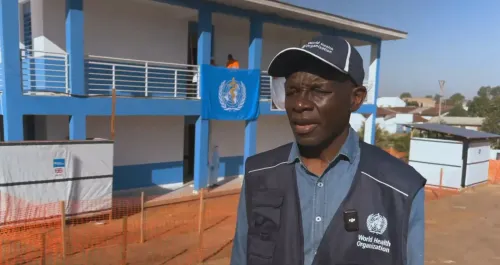
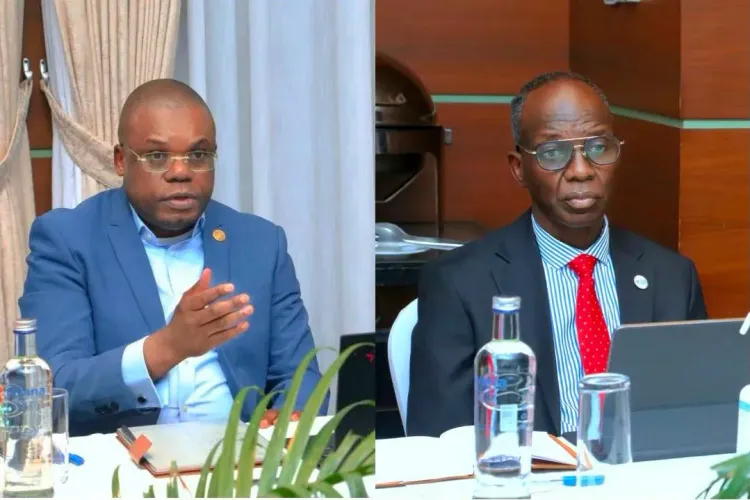
Africa CDC Director-General Jean Kaseya made the remarks on social media platform X following a co-chaired meeting in Kampala with World Health Organisation (WHO) Regional Director for Africa Mohamed Yakub Janabi and officials from Uganda's Ministry of Health.
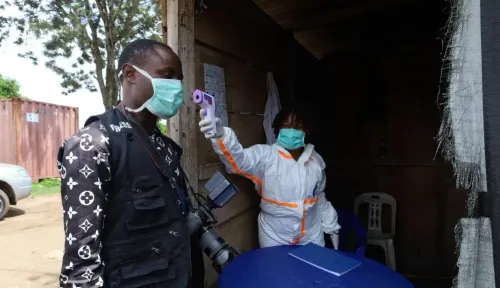
'We commended Uganda for successfully containing the Ebola outbreak through strong national leadership and coordinated action,' Kaseya wrote. He added: 'This progress must be protected. Sustained preparedness, vigilant surveillance, and strong cross-border coordination remain essential to prevent further transmission and strengthen health security across the region.'
Uganda's Outbreak: Timeline and Closure
Uganda declared the end of its Ebola outbreak on 28 July, ahead of the completion of the WHO's standard 42-day countdown following the discharge of the last patient. The last confirmed Ebola patient was discharged on 16 July after testing negative for the virus — a milestone that set the clock running on the formal closure process.
DRC's Record-Breaking Crisis
The backdrop to Uganda's success is a deepening emergency across its western border. The ongoing Ebola outbreak in the DRC has become the largest ever recorded in that country, surpassing the 2018–2020 epidemic that logged 3,317 confirmed cases, according to the WHO.
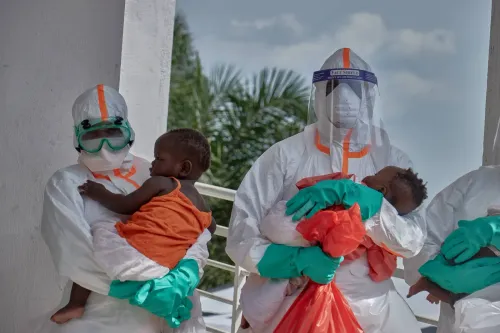
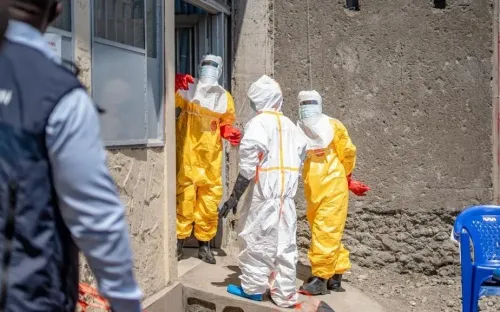
As of Thursday, the DRC had reported 3,605 confirmed cases of Ebola disease caused by the Bundibugyo virus, including 1,587 deaths — a case fatality rate of 44 per cent, the WHO said in its latest disease outbreak report. The outbreak, initially confined to the Mongbwalu health zone in Ituri province, has spread over the past two months to 49 health zones across five provinces: Ituri, North Kivu, South Kivu, Haut-Uele, and Tshopo.
Health Workers Under Threat
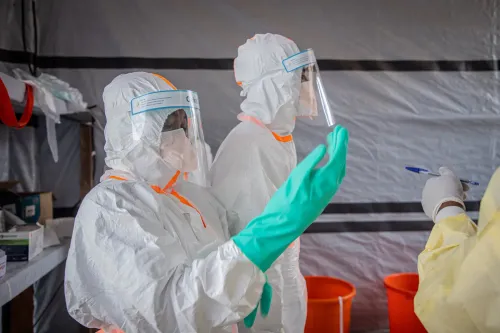
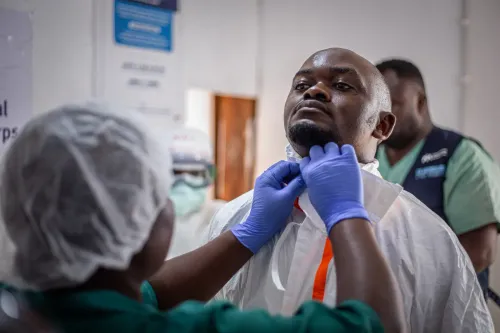
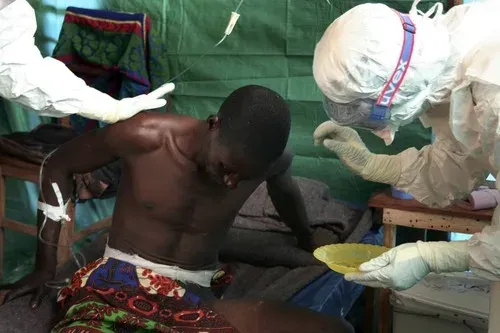
The DRC outbreak has taken a growing toll on frontline responders. The WHO reported 151 health worker infections and 44 deaths among that group so far, highlighting what it described as persistent gaps in infection prevention and control at health facilities. Health worker casualties are a critical indicator of systemic vulnerability — they both signal and amplify outbreak risk.
Why Cross-Border Vigilance Matters
Uganda and the DRC share a porous border, and the Ebola strain circulating in the DRC — the Bundibugyo variant — differs from strains Uganda has managed in past outbreaks. Africa CDC's emphasis on cross-border coordination is a direct response to the geographic spread of the DRC crisis. This is not Uganda's first Ebola containment success; the country has managed multiple outbreaks over two decades, building institutional muscle that the WHO and Africa CDC have repeatedly cited as a model for the region. With the DRC outbreak still active and expanding, sustained surveillance on Uganda's side remains non-negotiable.
Point of View
But the Africa CDC's congratulations should not obscure the regional picture. The DRC's Bundibugyo outbreak — now the country's largest ever — is still expanding across five provinces, and health worker casualties at 151 infections point to systemic facility-level failures that praise alone will not fix. Uganda's porous border with eastern DRC means its 'post-outbreak' status is provisional, not permanent. The 42-day countdown was not even completed before the formal closure was declared, which, while procedurally permissible, underscores that speed of declaration carries its own risk. The real test of Africa CDC's regional coordination framework is whether it can contain the DRC crisis before it exports cases to Uganda and beyond — again.
NationPress
18 Sept 2026
Frequently Asked Questions
Has Uganda fully contained its Ebola outbreak?
Yes. Uganda declared the end of its Ebola outbreak on 28 July after its last confirmed patient tested negative and was discharged on 16 July. Africa CDC and WHO officials confirmed the containment following a high-level meeting in Kampala on 3 August.
What is the current status of the Ebola outbreak in the DRC?
The DRC's Ebola outbreak, caused by the Bundibugyo virus, has recorded 3,605 confirmed cases and 1,587 deaths as of the latest WHO report — making it the largest outbreak ever in the country. It has spread to 49 health zones across five provinces including Ituri, North Kivu, and South Kivu.
Why are health worker deaths in the DRC a concern?
The WHO has reported 151 health worker infections and 44 deaths in the DRC outbreak, indicating persistent failures in infection prevention and control at health facilities. Health worker casualties both reflect and worsen outbreak dynamics, as they reduce response capacity and can accelerate transmission.
Why does Uganda's Ebola containment matter for the wider region?
Uganda shares a border with the DRC, where the largest Ebola outbreak in that country's history is still active. Africa CDC has stressed that cross-border coordination and surveillance must be sustained to prevent transmission from the DRC into Uganda and other neighbouring countries.
What is the Bundibugyo Ebola virus?
The Bundibugyo virus is one of several species within the Ebolavirus genus. It was first identified in Uganda's Bundibugyo district in 2007. The current DRC outbreak — the largest in that country's recorded history — is caused by this strain, which carries a case fatality rate of 44 per cent in the present epidemic.