Bundibugyo Ebola death toll crosses 600 in Congo and Uganda as outbreak accelerates
Synopsis
Africa CDC officials warn the Bundibugyo Ebola outbreak in Congo and Uganda is the fastest-growing in the continent's history — with 602 deaths, a transmission rate of 14 new infections per 10 cases, and no licensed vaccine for this strain. Uganda is containing its spread; Congo is not.
Key Takeaways
The Bundibugyo Ebola outbreak in Congo and Uganda has recorded 1,779 confirmed cases and 602 deaths as of 9 July , with a case fatality rate of 34 per cent .
Congo logged 353 new confirmed cases in a single week — a 25 per cent rise — with the virus transmitting to nearly 14 people for every 10 infected.
112 healthcare workers have been infected in Congo, and 35 have died.
Clinical trials of therapeutics targeting the Bundibugyo strain have begun; no licensed vaccine exists for this strain.
Uganda has largely contained its outbreak, with only one admitted case and the last confirmed case reported on 21 June .
11 additional African countries have been designated high-risk, including South Sudan , Rwanda , and Kenya .
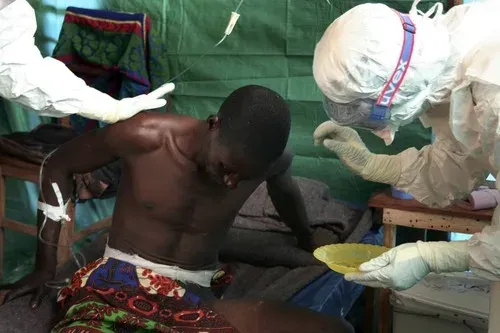
The death toll from the ongoing Bundibugyo Ebola outbreak in Congo and Uganda has surpassed 600, as experts from the Africa Centres for Disease Control and Prevention (Africa CDC) on Thursday, 9 July called for sustained international solidarity to contain what they described as the fastest-growing Ebola outbreak ever recorded on the continent. The two affected nations have together logged 1,779 confirmed cases and 602 deaths, with a case fatality rate of approximately 34 per cent, according to the latest data from the African Union's continental public health agency.
Scale of the Outbreak
Of the total confirmed cases, 302 patients have recovered so far. Congo remains the epicentre of the crisis: during the past week alone, the country recorded 353 new confirmed cases — a 25 per cent rise in its cumulative caseload, according to Africa CDC data shared at an online press briefing.
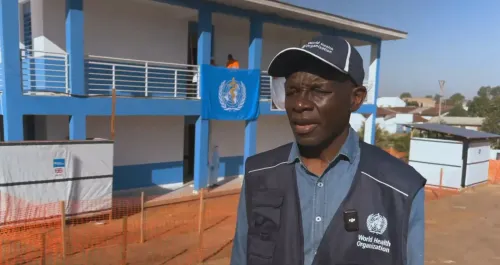
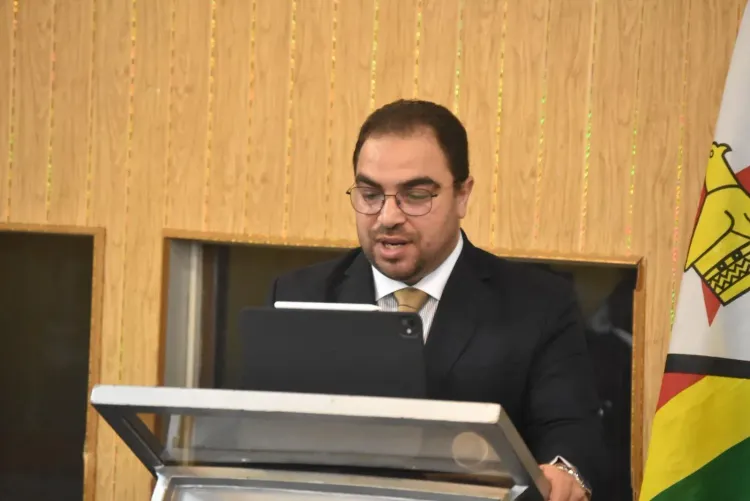
Wessam Mankoula, operations manager for the Ebola response at Africa CDC, described the trajectory in stark terms. 'We continue facing the fastest-growing Ebola outbreak ever on the continent,' he said. 'The outbreak is still growing and evolving. Unfortunately, the virus is still ahead of our response.'
Africa CDC data further revealed that for every 10 infected individuals in Congo, the virus is being transmitted to nearly 14 new people — an effective reproduction number well above the threshold needed for containment.
Critical Gaps and Healthcare Worker Toll
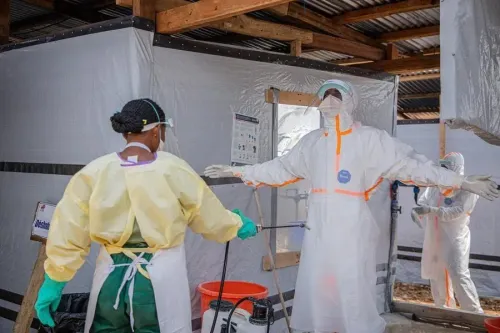
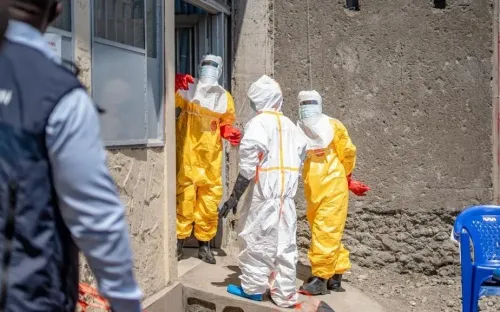
Experts at the briefing flagged severe structural challenges hampering the response. Key gaps include financing shortfalls, inadequate safe burial capacity, and a rising toll among frontline workers. As of the latest count, 112 healthcare workers in Congo have been infected with the Bundibugyo strain, and 35 have died — a figure that underscores the danger to those managing the response on the ground.
This comes amid broader concerns that healthcare infrastructure in the affected regions remains under severe strain, limiting the speed and reach of containment measures.
Positive Developments
Despite the grim overall picture, officials pointed to measurable progress in some areas. Laboratory testing capacity has scaled up to more than 2,000 tests per day, significantly improving case detection. More notably, clinical trials of therapeutics specifically targeting the Bundibugyo Ebola strain have recently commenced — a development described as a major breakthrough, given that no licensed vaccines or targeted medical countermeasures currently exist for this particular strain.
Uganda, meanwhile, has drawn recognition for its containment efforts. The country currently has only one admitted case, and its last confirmed case was reported on 21 June. 'Uganda is demonstrating that Ebola can be controlled. They are able to control the outbreak quickly, and the situation is totally under control at this stage,' Mankoula said.
Emergency Declarations and High-Risk Nations
Africa CDC declared the Bundibugyo Ebola outbreak a public health emergency of continental security on 18 May — just one day after the World Health Organisation (WHO) designated it a public health emergency of international concern. Beyond Congo and Uganda, 11 additional countries across Africa have been classified as high-risk: South Sudan, Rwanda, Kenya, Zambia, the Central African Republic, Tanzania, Ethiopia, Angola, Burundi, and Somalia.
With the virus still outpacing the response in Congo and no licensed vaccine available for the Bundibugyo strain, the coming weeks will be critical in determining whether the outbreak can be brought under control before it spreads further across the region.
Point of View
And it is not getting enough attention. A number above 1.0 means the outbreak is self-sustaining; at 1.4, it is accelerating. The absence of a licensed vaccine or targeted therapeutic for the Bundibugyo strain means the response is entirely dependent on classical containment tools: isolation, contact tracing, and safe burials — the same tools that are flagged as critically under-resourced. Uganda's success is instructive but not replicable everywhere: it reflects a smaller initial caseload and stronger existing infrastructure. Congo's trajectory, if unchecked, risks pushing this outbreak beyond the continent's containment capacity and testing the limits of the WHO's emergency declaration.
NationPress
8 Oct 2026
Frequently Asked Questions
What is the Bundibugyo Ebola outbreak and where is it happening?
The Bundibugyo Ebola outbreak is an ongoing viral haemorrhagic fever emergency centred in Congo and Uganda, caused by the Bundibugyo strain of the Ebola virus. As of 9 July, it has recorded 1,779 confirmed cases and 602 deaths, with a case fatality rate of approximately 34 per cent.
Why is this Ebola outbreak considered the fastest-growing ever in Africa?
Africa CDC operations manager Wessam Mankoula stated at a press briefing on 9 July that this is 'the fastest-growing Ebola outbreak ever on the continent.' In Congo, the virus is transmitting to nearly 14 new people for every 10 infected, and weekly case counts rose 25 per cent in the most recent reporting period.
Is there a vaccine available for the Bundibugyo Ebola strain?
No licensed vaccine or targeted medical countermeasure currently exists for the Bundibugyo Ebola strain. Clinical trials of therapeutics specifically targeting this strain have recently commenced, which Africa CDC has described as a major breakthrough.
How is Uganda managing its Ebola outbreak compared to Congo?
Uganda has largely brought its outbreak under control, with only one admitted case as of 9 July and its last confirmed case reported on 21 June. Africa CDC credited Uganda's swift response, contrasting it with the still-accelerating situation in Congo.
Which other African countries are considered high-risk from this Ebola outbreak?
Eleven countries beyond Congo and Uganda have been designated high-risk by Africa CDC: South Sudan, Rwanda, Kenya, Zambia, the Central African Republic, Tanzania, Ethiopia, Angola, Burundi, and Somalia.