Ebola in DR Congo: Cases doubling every 20 days, UN warns of widening response gap
Synopsis
The DRC's Ebola outbreak is now the fastest-growing in recorded history — cases doubling every 20 days, 50 deaths in a single day, and a $2.1 billion response plan less than half funded. UN officials are sounding the alarm from Bunia, but the gap between the epidemic and the international response is widening by the hour.
Key Takeaways
50 people died of Ebola in the DRC in a single 24-hour period, according to UN Ebola coordinator Julien Harneis .
Cases are doubling every 20 days — making this the fastest-growing Ebola crisis ever recorded, per WFP acting executive director Carl Skau .
1,000 people have died in the DRC in the past two months ; the same toll took 8 months during the West Africa outbreak.
Nearly 10 million people in eastern DRC face crisis-level food insecurity, with 2 million in Ituri province needing food aid.
The UN humanitarian response plan requires $2.1 billion but is only 45% funded; WFP needs an additional $76 million for logistics over six months.
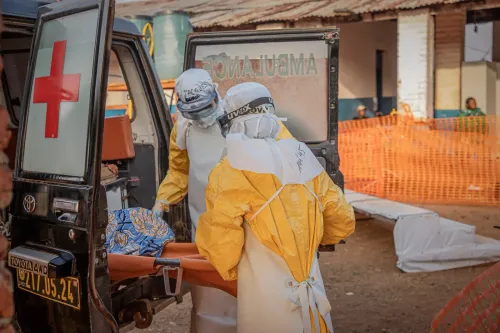
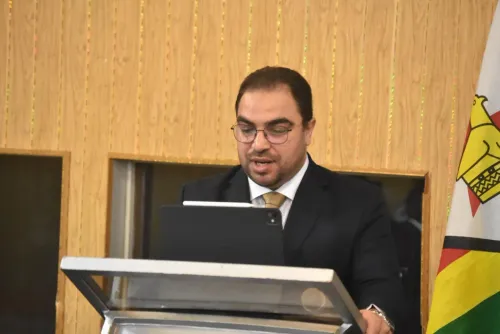
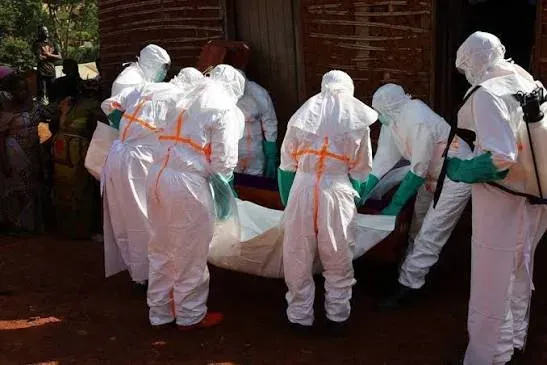
Two senior United Nations officials on Wednesday, 30 July urgently called on the international community to dramatically scale up the Ebola response in the Democratic Republic of the Congo (DRC), warning that the epidemic is spreading far faster than containment efforts can match. The appeal was made during a virtual press briefing from Bunia, the capital of Ituri province — the current epicentre of the outbreak.
How Fast the Outbreak Is Growing
Julien Harneis, the UN's senior Ebola coordinator, painted a stark picture of the situation on the ground. “In the last 24 hours, 50 people have died of Ebola in the Congo. And the number of cases is growing exponentially, doubling every 20 days. This is a far faster growth than the growth in our response. And so the gap between the epidemic and our response is widening,” Harneis said.
Carl Skau, acting executive director of the UN World Food Programme (WFP), described the current crisis as the fastest-growing Ebola outbreak ever recorded. “To make a comparison, in the past two months, 1,000 people have died in DRC. That took 8 months for 1,000 people to die in West Africa,” Skau said, underscoring the alarming pace of transmission.
The Compounding Crisis: Conflict and Food Insecurity
The Ebola emergency is unfolding against a backdrop of prolonged armed conflict in eastern DRC, which has pushed nearly 10 million people into crisis or emergency levels of food insecurity. Ituri province, the outbreak’s epicentre, is among the worst-affected areas, with nearly 2 million people requiring food assistance, according to Skau.
This convergence of epidemic and humanitarian emergency severely complicates the response. Medical teams face access constraints in conflict zones, while food-insecure populations are less able to comply with isolation protocols or seek timely treatment.
What the UN Is Demanding
Harneis called for a “massive ramp-up” across all dimensions of the response — more funding, supplies, medical personnel, and unhindered access. He specifically urged member states to keep their borders open so that Ebola response personnel can travel freely to the DRC, supplies can be delivered without delay, and staff departing the country can return home without obstruction.
“The response must urgently scale up, with more funding, supplies, medical teams and access to reach those in need,” Harneis said.
The Funding Shortfall
The financial gap is critical. The UN humanitarian response plan for the DRC requires $2.1 billion but is currently only 45% funded, according to Harneis. Separately, the WFP requires $76 million over the next six months specifically for Ebola-related logistics in the DRC — and Skau noted that this figure covers logistics alone, not food assistance.
With cases doubling every three weeks and the funding gap still wide, the trajectory of the outbreak will depend heavily on whether donor governments respond to Wednesday’s appeal with speed and scale.
Point of View
000 deaths in two months versus eight months in West Africa — is the single most alarming data point in this briefing, and it deserves more attention than it is getting. The DRC outbreak is not just faster; it is operating inside a conflict zone where access, trust, and logistics are structurally compromised in ways West Africa’s outbreak was not. A response plan that is 45% funded for an exponentially growing epidemic is not a funding gap — it is a policy failure. The question is not whether the international community can afford to respond; it is whether it has the political will to treat a Central African outbreak with the same urgency it would apply elsewhere.
NationPress
13 Sept 2026
Frequently Asked Questions
How fast is the Ebola outbreak spreading in DR Congo?
The Ebola outbreak in the DRC is currently doubling in cases every 20 days, with 50 deaths recorded in a single 24-hour period as of 30 July. UN officials describe it as the fastest-growing Ebola crisis ever recorded.
How does the DRC outbreak compare to the West Africa Ebola epidemic?
In the DRC, 1,000 people died within two months of the outbreak’s escalation. By comparison, it took eight months to reach 1,000 deaths during the West Africa Ebola crisis, underscoring how much faster the current outbreak is spreading.
Why is the Ebola response in DR Congo falling short?
The UN humanitarian response plan for the DRC requires $2.1 billion but is only 45% funded. Ongoing armed conflict in eastern DRC restricts access for medical teams, while nearly 10 million people already face severe food insecurity, compounding the crisis.
What is the UN asking for to contain the DRC Ebola outbreak?
UN officials are calling for more funding, medical supplies, personnel, and unhindered access. They have specifically urged member states to keep borders open for Ebola response staff and supplies, and to accelerate financial contributions to the humanitarian response plan.
How much funding does the WFP need for the Ebola response in DRC?
The WFP requires $76 million over the next six months for Ebola-related logistics in the DRC. WFP acting executive director Carl Skau clarified that this amount covers logistics only and does not include food assistance costs.