Jordan bans DRC, Uganda travellers over Ebola; 136 dead
Synopsis
Jordan has shut its doors to travellers from the DRC and Uganda as Ebola claims at least 136 lives and infects over 500 people. With the WHO sounding its loudest alarm yet, the 30-day ban signals that international containment anxiety is now translating into hard border policy — and Jordan may not be the last country to act.
Key Takeaways
Jordan announced a 30-day travel ban on travellers from the DRC and Uganda , effective 20 May .
Jordanian citizens are exempt from the restriction.
The WHO has voiced 'deep concern' over the outbreak's scale and speed.
WHO Director-General Tedros Adhanom Ghebreyesus confirmed more than 130 deaths and over 500 suspected cases in the DRC.
Ebola's average case fatality rate is approximately 50% , with historical rates ranging from 25% to 90% .
The ban will be reassessed in line with global health updates .
Jordan has announced a 30-day temporary ban on travellers from the Democratic Republic of Congo (DRC) and Uganda, effective Wednesday, 20 May, citing the rapid spread of the Ebola virus in both countries. The Jordanian Ministry of Interior confirmed that Jordanian citizens are exempt from the restriction, and that authorities will closely monitor the situation in line with global health updates.
Scale of the Outbreak
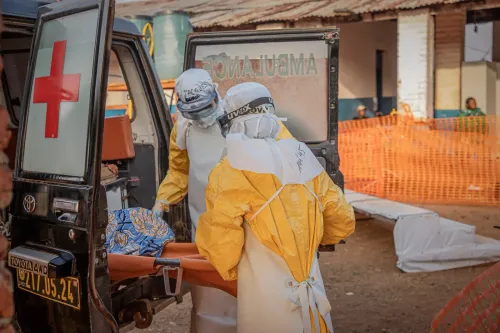
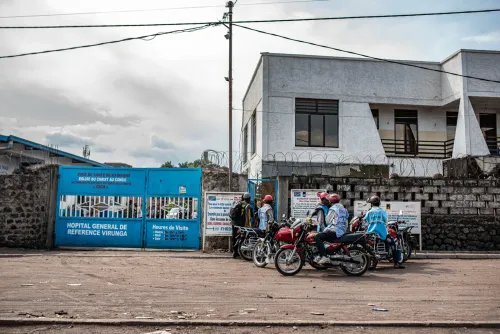
The World Health Organization (WHO) on Tuesday expressed 'deep concern' over the pace and scale of the Ebola outbreak sweeping the DRC. WHO Director-General Tedros Adhanom Ghebreyesus said more than 130 deaths are believed to be linked to the outbreak, with over 500 suspected cases recorded. Official figures place the confirmed death toll at 136.
Why Jordan Acted
The travel ban reflects growing international anxiety over cross-border Ebola transmission. This comes amid warnings from global health authorities that the current DRC outbreak is spreading at an alarming rate. Notably, Jordan's move mirrors containment steps taken by several countries during the 2014–2016 West Africa outbreak — the deadliest in recorded history — which began in Guinea before crossing into Sierra Leone and Liberia, killing more people than all previous outbreaks combined.
What Is Ebola and How It Spreads
Ebola is a severe, often fatal viral illness affecting humans and other primates. The virus is transmitted to people from wild animals — including fruit bats, porcupines, and non-human primates — and then spreads through direct contact with the blood, secretions, organs, or bodily fluids of infected individuals, as well as contaminated surfaces such as bedding and clothing.
The average case fatality rate for Ebola is approximately 50%, though historical outbreaks have recorded rates ranging from 25% to 90%. Early symptoms include sudden fever, fatigue, muscle pain, headache, and sore throat, followed by vomiting, diarrhoea, abdominal pain, rash, and signs of impaired kidney and liver function. Health workers have been urged to remain vigilant for these indicators.
What Happens Next
The ban is set to remain in force for 30 days, with the Jordanian government pledging to reassess based on evolving global health data. The WHO is expected to continue coordinating international response efforts as the DRC outbreak shows no immediate signs of containment. Other countries may face pressure to adopt similar precautionary measures if the case count continues to climb.
Point of View
But it raises a harder question: why did it take 136 deaths and 500-plus suspected cases before border measures were announced? The WHO's 'deep concern' language is significant — the organisation has historically been cautious about triggering alarm that disrupts trade and travel. That it is now speaking in those terms suggests the DRC outbreak is tracking toward a trajectory that routine containment cannot absorb. The 2014–2016 West Africa outbreak became a global crisis partly because border responses came too late. Whether Jordan's move catalyses a coordinated international protocol — or remains an isolated national measure — will define how this outbreak is remembered.
NationPress
5 Oct 2026
Frequently Asked Questions
Why has Jordan banned travellers from DRC and Uganda?
Jordan imposed the ban in response to the rapid spread of the Ebola virus in the Democratic Republic of Congo and Uganda. The Jordanian Ministry of Interior announced the 30-day restriction, effective 20 May, to protect public health while monitoring global health developments.
Are Jordanian citizens affected by the travel ban?
No. The ban explicitly exempts Jordanian citizens. Only non-Jordanian travellers arriving from the DRC and Uganda are subject to the entry restriction.
How serious is the current Ebola outbreak in the DRC?
The WHO has described the outbreak as deeply concerning, with more than 136 deaths and over 500 suspected cases reported. WHO Director-General Tedros Adhanom Ghebreyesus has flagged the speed and scale of the spread as particularly alarming.
How does Ebola spread and what are the symptoms?
Ebola spreads through direct contact with the blood, bodily fluids, or organs of infected people, and through contaminated surfaces. Early symptoms include sudden fever, fatigue, muscle pain, and sore throat, followed by vomiting, diarrhoea, and signs of organ impairment. The average fatality rate is around 50%.
How long will Jordan's travel ban last?
The ban is set for 30 days from 20 May, with Jordanian authorities pledging to reassess based on evolving global health data and WHO guidance.