WHO chief urges end to travel bans as Ebola grips DR Congo, Uganda
Synopsis
WHO chief Tedros flew into Bunia — the heart of an Ebola outbreak with over 1,000 suspected cases — to deliver a blunt message: travel bans make the crisis worse, not better. With Uganda now reporting nine confirmed cases including two in Kampala, and no approved vaccine in play, the window for transparent, coordinated containment is narrowing fast.
Key Takeaways
WHO Director-General Tedros Adhanom Ghebreyesus on 30 May called on countries to lift travel bans and border closures linked to the DRC Ebola outbreak .
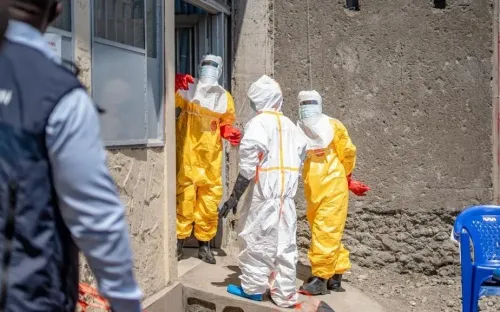
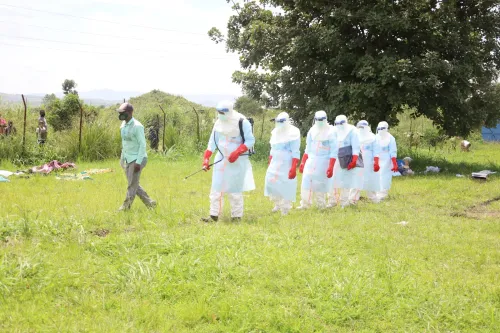
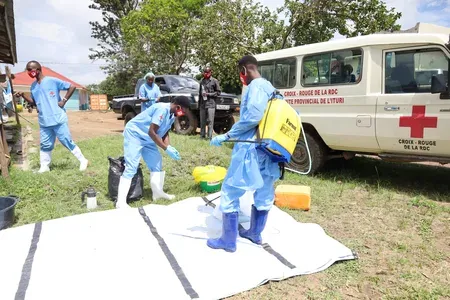
The outbreak has recorded over 1,000 suspected cases , centred in Ituri Province , with Bunia as the epicentre.
Uganda has confirmed nine Ebola cases , including two new infections in the capital Kampala .
DRC Health Minister Roger Kamba projects containment within four to six months in the best-case scenario.
The DRC has tested around 900 samples , with approximately 260 positive ; no sample backlog remains.
No approved vaccines or specific treatments are currently available, though timely care can improve survival, according to the WHO.
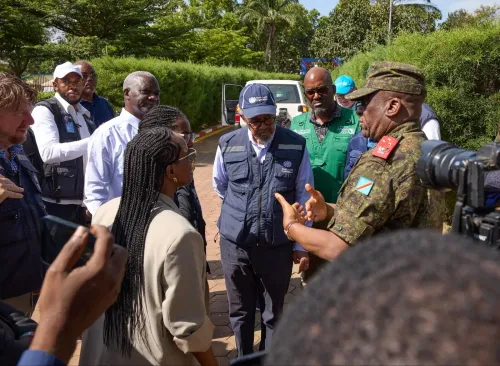
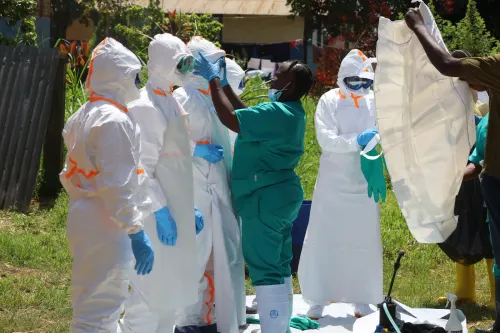
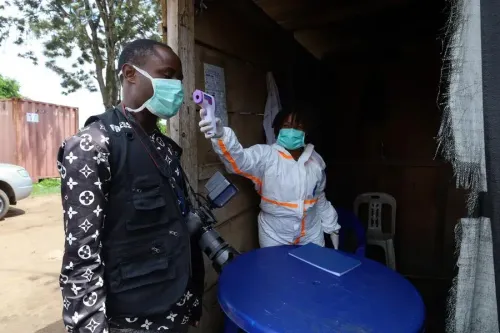
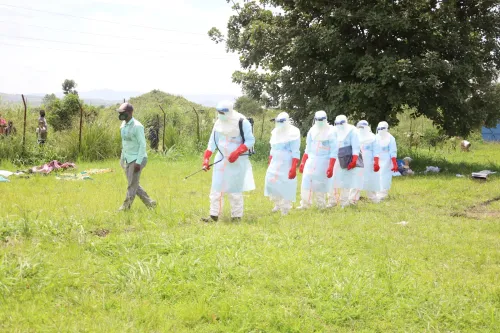
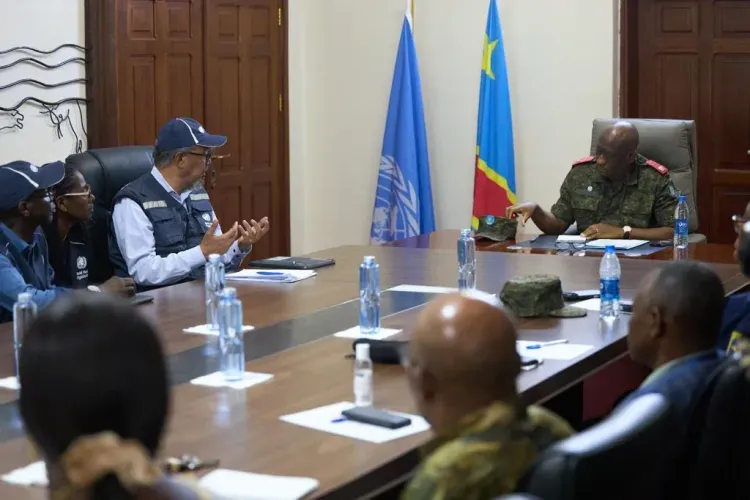
World Health Organisation (WHO) Director-General Tedros Adhanom Ghebreyesus on Saturday, 30 May urged nations that have imposed travel bans or border closures in response to the Ebola outbreak in the Democratic Republic of the Congo (DRC) and Uganda to reverse those measures. Speaking at a joint press conference in Bunia, the capital of northeastern Ituri Province and the epicentre of the current outbreak, Tedros warned that such restrictions risk undermining the very transparency and trust that public health responses depend on.
Tedros's Direct Warning
'I call on countries that have imposed travel bans or border closures to reconsider. These measures make the response harder, and they discourage transparency and trust that saves lives,' Tedros said at the conference.
His visit to Bunia was aimed at direct engagement with affected communities. The outbreak has so far recorded over 1,000 suspected cases, and the WHO chief acknowledged that no approved vaccines or specific medicines are currently available. However, he stressed that patients can still recover with timely, quality medical care.
Uganda Reports Nine Confirmed Cases
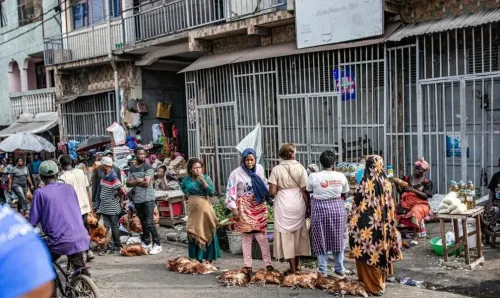
Uganda has confirmed nine cases of Ebola after detecting two new infections in its capital, Kampala, according to the Ugandan health ministry on Friday. The spread to Kampala marks a significant geographic expansion of the outbreak beyond the DRC's borders and raises the stakes for regional containment efforts.
DRC's Containment Timeline and Capacity
DRC Health Minister Roger Kamba said the country aims, 'in the best-case scenario,' to contain and end the outbreak within four to six months, drawing on its experience in managing previous Ebola epidemics. The immediate priority, he said, is to keep the virus confined to the three affected provinces — Ituri, North Kivu, and South Kivu — and prevent further spread.
Kamba also highlighted strengthened laboratory capacity, noting there is now no backlog of samples. Around 900 samples have been tested, of which approximately 260 were positive. He added that the country now has the capacity to process all incoming samples, even if daily testing volumes rise to 200 or 300 samples.
Why Travel Bans Are Counterproductive
The WHO's position on travel bans is consistent with its stance during past outbreaks, including the 2014–2016 West Africa Ebola crisis and the COVID-19 pandemic. Restrictions often push affected countries to underreport cases to avoid economic and diplomatic fallout — the opposite of the open data-sharing that enables coordinated international response. This is not the first time Tedros has had to make this appeal; similar calls were made during the DRC's 10th Ebola outbreak in 2018–2020.
What Comes Next
With the outbreak spanning three DRC provinces and now reaching Uganda's capital, the coming weeks will test both regional health infrastructure and international cooperation. The WHO's presence in Bunia signals a heightened operational footing. Whether affected countries can maintain transparent reporting — particularly if travel penalties remain in place — will be a critical variable in how quickly this outbreak is brought under control.
Point of View
Prioritising optics over epidemiology. The deeper problem is that DRC, one of the world's most under-resourced health systems, is managing a multi-province outbreak without approved vaccines, relying entirely on supportive care and contact tracing. Uganda's Kampala cases should be a wake-up call: urban spread changes the calculus entirely. If wealthier nations respond with border closures rather than surge support, they may get the opacity they fear — and a far larger outbreak as a result.
NationPress
23 Sept 2026
Frequently Asked Questions
Why is the WHO calling for travel bans on DRC and Uganda to be lifted?
The WHO says travel bans and border closures make the Ebola response harder by discouraging affected countries from reporting cases transparently, which is essential for coordinated containment. Director-General Tedros Adhanom Ghebreyesus made the appeal directly from Bunia, the outbreak's epicentre, on 30 May.
How many Ebola cases have been reported in the DRC outbreak?
Over 1,000 suspected cases have been reported across three provinces — Ituri, North Kivu, and South Kivu. Of approximately 900 samples tested, around 260 have returned positive results, according to DRC Health Minister Roger Kamba.
Has Ebola spread to Uganda?
Yes. Uganda has confirmed nine Ebola cases, including two new infections detected in the capital Kampala, according to the Ugandan health ministry. The spread to Kampala represents a significant escalation beyond the DRC's borders.
Is there a vaccine or treatment available for this Ebola outbreak?
No approved vaccines or specific medicines are currently available for this outbreak, according to the WHO. However, Tedros stressed that patients can still recover if they receive timely and quality medical care.
How long will it take to contain the DRC Ebola outbreak?
DRC Health Minister Roger Kamba said the country aims to contain the outbreak within four to six months in the best-case scenario, drawing on the country's experience with previous Ebola epidemics. The immediate priority is preventing spread beyond the three currently affected provinces.