WHO chief Tedros visits Congo as Ebola Bundibugyo outbreak intensifies
Synopsis
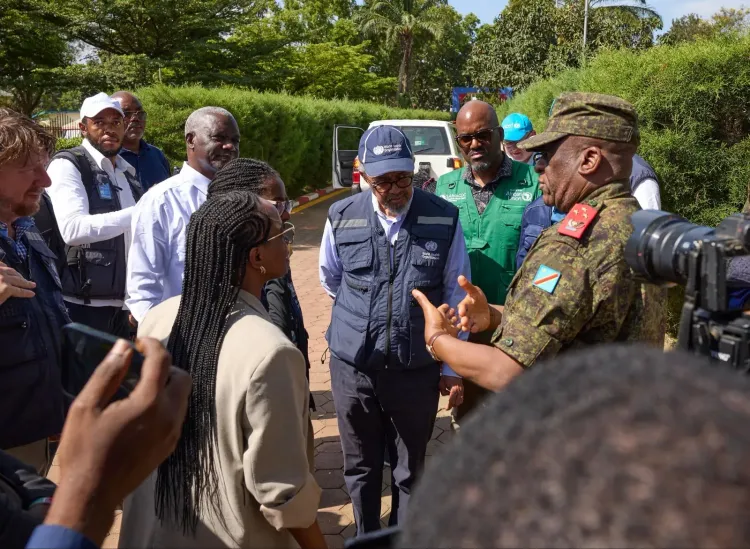
WHO Director-General Tedros Adhanom Ghebreyesus is on the ground in Congo, meeting the Governor of Ituri — the province hardest hit by a Bundibugyo Ebola outbreak complicated by conflict, displacement, and community mistrust. India has already sent its first tranche of medical supplies to the Africa CDC, signalling early multilateral mobilisation around a crisis the WHO chief calls 'very complex.'
Key Takeaways
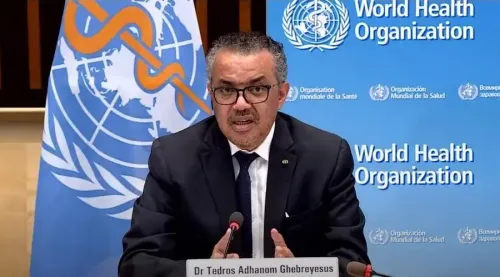
WHO Director-General Tedros Adhanom Ghebreyesus arrived in Kinshasa on Thursday, 29 May to assess the ongoing Ebola outbreak caused by the Bundibugyo virus .
Ituri province is currently reporting the highest number of cases in the outbreak.
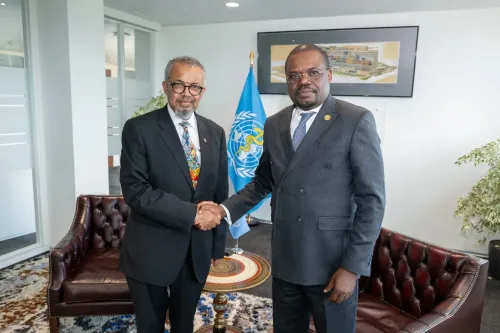
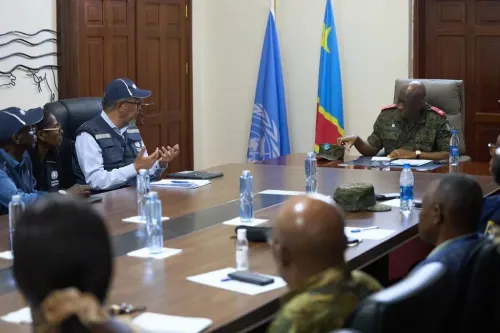
Tedros met Ituri Governor Lieutenant-General Johnny Luboya Nkashama ; both agreed that coordinating health and humanitarian actors under government leadership is the top priority.
The WHO chief described the outbreak as 'very complex,' citing conflict, insecurity, displacement, food shortages, and community mistrust as key obstacles.
India has dispatched its first tranche of medical supplies to the Africa CDC , handed over by High Commissioner Upender Singh Rawat in Uganda.
MEA Spokesperson Randhir Jaiswal confirmed India's readiness to provide further assistance as the situation develops.
World Health Organisation (WHO) Director-General Tedros Adhanom Ghebreyesus arrived in Kinshasa, Democratic Republic of Congo, on Thursday, 29 May to assess the country's ongoing Ebola outbreak caused by the Bundibugyo virus — one of the rarer and less-studied strains of the disease. His visit signals the severity of a crisis that health authorities describe as 'very complex.'
Ituri Province at the Epicentre
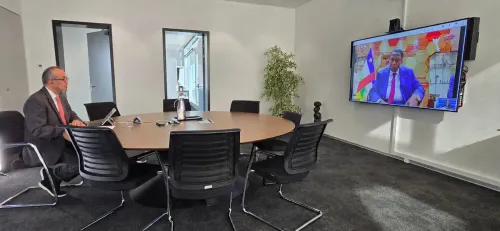
During his visit, Tedros met Lieutenant-General Johnny Luboya Nkashama, the Governor of Ituri, the province currently reporting the highest number of Ebola cases in the outbreak. In a post on X, Tedros said the two sides agreed that strengthening coordination among all health and humanitarian actors — in alignment with the government's overall leadership — was a key priority for containing the spread.
'During our discussions, we agreed that a key priority for responding to the outbreak is to enhance the coordination among all health and humanitarian actors, ensuring their operations align with the government's overall leadership in managing this response,' Tedros wrote.
Why This Outbreak Is Unusually Difficult to Contain
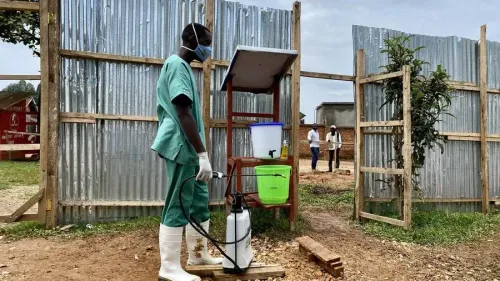
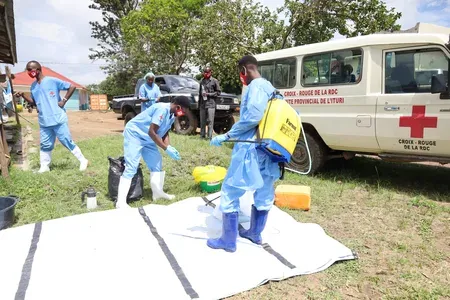
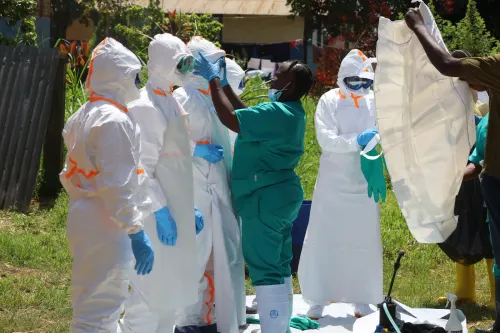
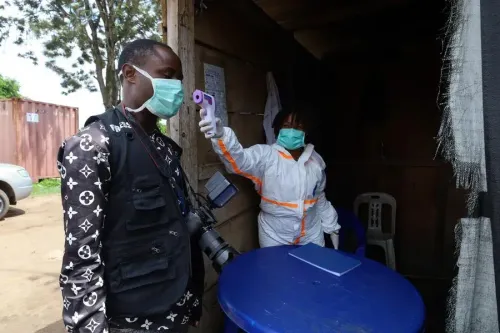
Tedros described the Ebola situation in Congo as 'very complex,' citing a confluence of factors that are hampering the response: active armed conflict, widespread insecurity, large-scale displacement of civilians, acute food shortages, and deep-rooted community mistrust of health workers. This combination makes contact tracing, safe burials, and vaccination campaigns significantly harder to execute.
Notably, the Bundibugyo strain — first identified in Uganda in 2007 — has a lower case fatality rate than the more notorious Zaire strain but remains dangerous and has fewer proven medical countermeasures. Congo has faced multiple Ebola outbreaks over the past decade, but the intersection of conflict and disease in Ituri adds a layer of complexity not seen in all previous episodes.
India Steps In With Medical Supplies
On Friday, 30 May, India formally expressed its readiness to continue supporting affected countries and the Africa Centres for Disease Control and Prevention (Africa CDC). At a weekly media briefing in New Delhi, Ministry of External Affairs (MEA) Spokesperson Randhir Jaiswal confirmed that a first tranche of medical supplies had already been dispatched to the Africa CDC.
The handover was carried out by Indian High Commissioner in Uganda, Upender Singh Rawat, at the Africa CDC's office in Uganda. 'We look forward to further helping in whatever manner we can with the countries and with the Africa CDC in dealing with this public health emergency that has happened on the continent. We will keep you updated as and when we have more developments on that account,' Jaiswal said.
What Comes Next
The WHO chief's ground visit — rare for a sitting Director-General amid an active outbreak — underscores the organisation's intent to keep international attention on a crisis that risks being overshadowed by other global emergencies. Tedros said he came to show affected communities that 'they are not alone.' Further coordination meetings between WHO, Congo's health ministry, and humanitarian partners are expected in the coming days, with India signalling openness to additional tranches of assistance.
Point of View
Displacement camps, and broken community trust can make even a well-funded response fail. India's early dispatch of medical supplies is notable — it positions New Delhi as a proactive health-diplomacy actor in Africa, building on its Africa CDC relationship ahead of what could be a prolonged emergency. The real test is whether coordination commitments made in Kinshasa translate into field-level execution in Ituri, where access remains the central constraint.
NationPress
22 Oct 2026
Frequently Asked Questions
Why is the WHO chief visiting Congo?
WHO Director-General Tedros Adhanom Ghebreyesus is visiting Congo to assess the Ebola outbreak caused by the Bundibugyo virus, which is most severe in Ituri province. He said he came to show affected communities that 'they are not alone' and to support the government-led response.
What is the Bundibugyo Ebola virus?
The Bundibugyo virus is one of the rarer strains of the Ebola virus, first identified in Uganda in 2007. It generally has a lower case fatality rate than the more common Zaire strain but remains dangerous and has fewer established medical countermeasures.
Why is the Congo Ebola outbreak considered 'very complex'?
WHO chief Tedros described the outbreak as 'very complex' because it is unfolding amid active armed conflict, widespread insecurity, civilian displacement, food shortages, and community mistrust — all of which severely hamper contact tracing, vaccination, and safe-burial operations.
What is India doing to help with the Ebola outbreak?
India has dispatched a first tranche of medical supplies to the Africa Centres for Disease Control and Prevention (Africa CDC). The supplies were handed over by Indian High Commissioner in Uganda, Upender Singh Rawat, at the Africa CDC's Uganda office. MEA Spokesperson Randhir Jaiswal confirmed India's readiness to provide further assistance.
Which part of Congo has the most Ebola cases?
Ituri province in eastern Congo is currently reporting the highest number of cases in the ongoing Bundibugyo Ebola outbreak, according to WHO Director-General Tedros, who met Ituri Governor Lieutenant-General Johnny Luboya Nkashama during his visit.