Ebola in DR Congo: WHO chief warns conflict, insecurity hamper outbreak response
Synopsis
The DRC's 17th Ebola epidemic has crossed 1,000 suspected cases, and the WHO chief flew to Kinshasa to make a stark point: conflict and insecurity — not just the virus — are driving this crisis. With the Bundibugyo strain in play and community mistrust running deep, this outbreak is a stress test for global health emergency architecture in active conflict zones.
Key Takeaways
WHO Director-General Tedros Adhanom Ghebreyesus arrived in Kinshasa on 29 May to assess the DRC Ebola outbreak firsthand.
More than 1,000 suspected cases and 238 suspected deaths have been reported, according to the DRC Ministry of Health .
The current outbreak is the DRC's 17th Ebola epidemic , caused by the relatively rare Bundibugyo strain .
The WHO declared a public health emergency of international concern (PHEIC) on 17 May ; the Africa CDC followed with a continental emergency declaration.
Tedros urged against travel bans, warning they delay transmission by only days and may discourage transparent outbreak reporting.
Conflict, insecurity, displacement, food shortages, and community mistrust are cited as the primary barriers to containment.
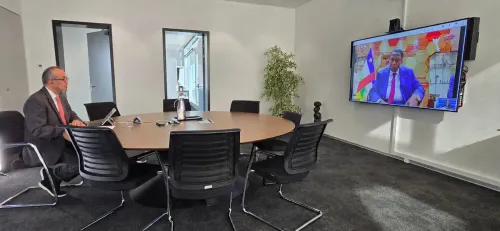
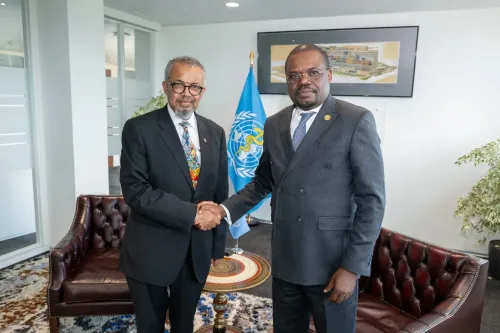
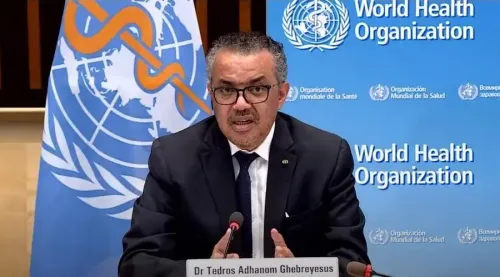
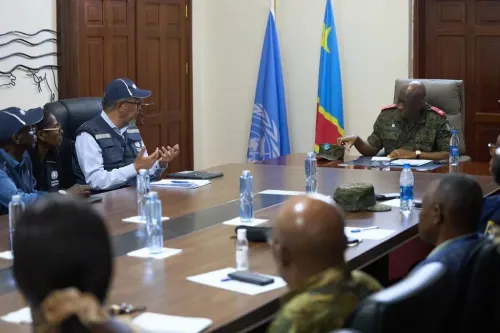
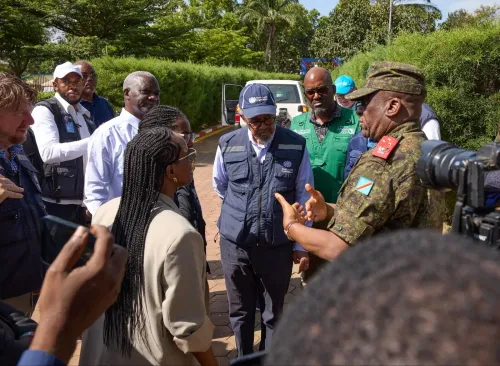
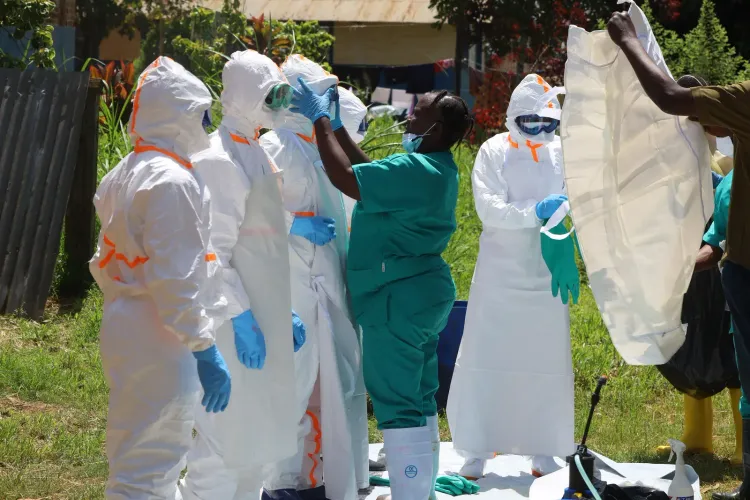
World Health Organization (WHO) Director-General Tedros Adhanom Ghebreyesus arrived in Kinshasa on 29 May to personally assess the Ebola outbreak gripping the Democratic Republic of the Congo (DRC), calling the situation 'very complex' and citing conflict, insecurity, displacement, food shortages, and community mistrust as the primary obstacles to containment.
What Tedros Said on Arrival
Speaking to reporters late Thursday at the Kinshasa airport shortly after landing, Tedros said he had made the trip to demonstrate to affected communities that 'they are not alone' and that the WHO stood ready to support the response. He confirmed that WHO teams are already deployed on the ground in Bunia, the capital of the eastern Ituri province, and that he would travel there on Friday to assess conditions directly.
Tedros reiterated his earlier call for a ceasefire in areas affected by armed attacks, stressing that conflict and insecurity remain among the most significant factors hampering the public health response.
On Travel Bans: WHO Advises Against Restrictions
When asked about travel restrictions imposed by some countries on travellers from the DRC, Tedros was unequivocal: 'A travel ban is not advised by WHO,' he said, explaining that such measures may delay transmission by only a few days at most. 'The best approach is to intensify measures at the source and provide support,' he added.
Tedros also warned that travel bans carry negative public health consequences beyond their limited effectiveness. Countries that report outbreaks transparently may feel penalised by such restrictions, he cautioned, potentially discouraging early and open reporting — a dynamic that could make future outbreaks harder to detect and contain.
Scale of the Outbreak
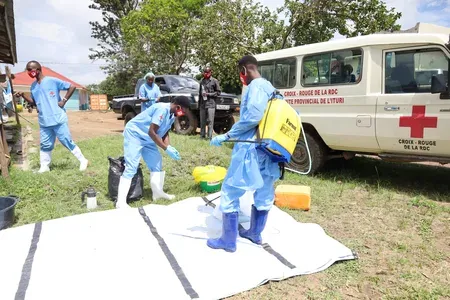
According to a situation report released on Wednesday by the DRC Ministry of Health, more than 1,000 suspected cases and 238 suspected deaths have been recorded as the outbreak continues to spread across the country's eastern provinces. Laboratory tests have identified the Bundibugyo strain of the Ebola virus — a relatively rare form of the disease.
This marks the DRC's 17th Ebola epidemic, underscoring the country's long and fraught history with the virus. The WHO declared the outbreak a public health emergency of international concern (PHEIC) on 17 May, and the Africa Centers for Disease Control and Prevention subsequently declared a continental public health security emergency.
Why This Outbreak Is Especially Difficult to Control
The eastern DRC has been mired in armed conflict for decades, with multiple non-state armed groups operating across Ituri and neighbouring provinces. This makes contact tracing, community engagement, and the safe movement of health workers extraordinarily difficult. Displacement has scattered potentially exposed populations, while food insecurity and historical community mistrust of outside health interventions — rooted partly in earlier Ebola responses — further erode cooperation.
Notably, the Bundibugyo strain, though less lethal on average than the Zaire strain, is less studied and has fewer validated treatment protocols, adding a layer of clinical uncertainty to an already complex response. As international health bodies mobilise, the coming weeks will test whether a ceasefire can be secured and community trust rebuilt quickly enough to prevent further spread.
Point of View
Treatment protocols are thinner, and the eastern DRC's security landscape makes standard outbreak-response playbooks nearly unworkable. Tedros's call for a ceasefire is the right one, but the WHO has no enforcement mechanism; it depends entirely on political will from parties that have ignored such calls for years. The travel-ban warning is also worth heeding: the 2014-16 West Africa epidemic showed that punitive measures pushed reporting underground, and the DRC — already wary of international health interventions after past controversies — needs incentives to report early, not reasons to stay quiet.
NationPress
15 Oct 2026
Frequently Asked Questions
How serious is the current Ebola outbreak in DR Congo?
The outbreak is classified as a public health emergency of international concern by the WHO. As of the latest DRC Ministry of Health situation report, more than 1,000 suspected cases and 238 suspected deaths have been recorded, making it the country's 17th Ebola epidemic.
Which Ebola strain is causing the current DRC outbreak?
Laboratory tests have confirmed the Bundibugyo strain of the Ebola virus, a relatively rare form compared to the more commonly known Zaire strain. It is considered less lethal on average but has fewer validated treatment options.
Why is the Ebola outbreak in DRC so difficult to contain?
According to WHO Director-General Tedros Adhanom Ghebreyesus, conflict, insecurity, population displacement, food shortages, and community mistrust are the main factors hampering the response. Armed activity in the eastern provinces restricts the movement of health workers and complicates contact tracing.
What is the WHO's position on travel bans related to the DRC Ebola outbreak?
The WHO advises against travel bans, with Tedros stating they may delay transmission by only a few days. He warned that such measures can discourage countries from reporting outbreaks transparently, which would undermine global early-warning systems.
When did international health bodies declare the DRC Ebola outbreak an emergency?
The WHO declared the outbreak a public health emergency of international concern on 17 May. The Africa Centers for Disease Control and Prevention subsequently declared it a continental public health security emergency.