Could Dollar Weakness Lead to Increased India Inflows?
Synopsis
As the US Dollar begins to wane against major currencies, the Indian rupee shows signs of stability. This scenario could pave the way for renewed FII inflows into India. Explore how current geopolitical dynamics and monetary policies are influencing this economic landscape.
Key Takeaways
US Dollar is experiencing significant weakness.
Indian rupee shows relative stability.
Potential for increased FII inflows into India.
Market dynamics influenced by US Federal Reserve policies.
Investment strategies should include hedging.
New Delhi, Jan 27 (NationPress) The global currency landscape is currently experiencing significant fluctuations as the US Dollar continues its downward trend against major currencies. In contrast, the Indian rupee has shown a degree of stability, leading to a potential increase in Foreign Institutional Investor (FII) inflows, according to a report released on Tuesday.
The analysis by Emkay Wealth Management Limited indicates that the instability in global currency markets and the dollar's decline are influenced by anticipated additional rate cuts from the US Federal Reserve and evolving geopolitical situations.
The report highlights that the Federal Reserve's dovish approach and the expectation of further cuts are contributing factors to the dollar's depreciation, as stated by market participants.
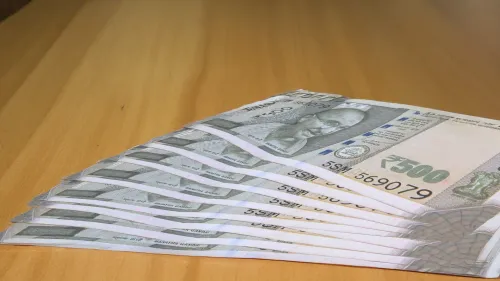
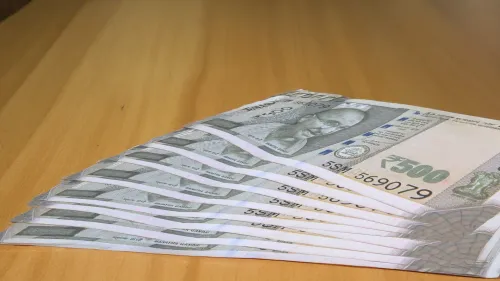
Currently, the Indian rupee seems to have reached a stable point around Rs 90 against the US Dollar, with occasional fluctuations noted. Market predictions suggest that the currency may maintain its position in the short term.
According to the wealth management firm, "India's role as a net importer continues to apply pressure on the rupee from a trade standpoint; nonetheless, the improving outlook for foreign investment could offer some relief."
FIIs have been net sellers in the Indian equity market for approximately 18 months, which has resulted in more appealing valuations across various sectors. Analysts predict that deeper rate cuts in the US could diminish dollar yields and rekindle interest in emerging markets like India.
“A weakening US Dollar, combined with the likelihood of capital shifting towards emerging markets, presents both opportunities and challenges for investors. For India, consistent foreign inflows, backed by stable macroeconomic fundamentals, could enable the rupee to sustain its current range amid global fluctuations,” remarked Parag Morey, Head of Sales at Emkay Wealth Management.
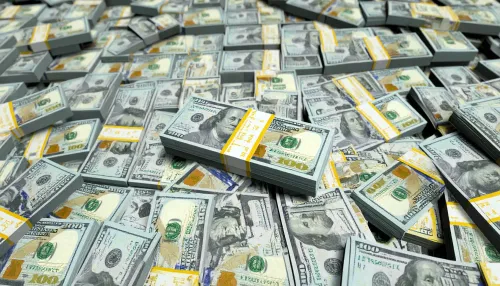
The Dollar Index has experienced a nearly 9% decrease, now resting around 98.60 since early 2025.
Currency analysts have pointed out that investor hesitance regarding the dollar is further fueled by speculation surrounding a possible change in leadership at the US Federal Reserve by mid-2026. The expectation that a new Fed Chair may align monetary policies more with executive priorities has led to assumptions of persistently low interest rates, potentially exacerbating the dollar's weakness against global counterparts.
However, the firm emphasizes that prudent hedging strategies are crucial, as disruptions in shipping routes or oil supply could lead to short-term surges in crude prices and temporary movements toward the dollar.
Point of View
We remain committed to providing balanced and accurate reporting. The fluctuating dynamics of the US Dollar and its impact on the Indian rupee highlight the interconnectedness of global markets. Our focus remains on delivering insights that matter to our audience.
NationPress
19 Sept 2026
Frequently Asked Questions
What is causing the dollar's weakness?
The dollar's decline is primarily driven by expectations of further rate cuts from the US Federal Reserve and geopolitical developments impacting investor sentiment.
How does this affect the Indian rupee?
The Indian rupee has shown relative stability, which could attract more foreign investment despite ongoing pressures from being a net importer.
What are FII inflows?
FII inflows refer to investments made by foreign institutional investors in the Indian stock market, which can lead to increased capital and market stability.
What should investors consider during this volatility?
Investors should consider implementing prudent hedging strategies, as market conditions can change rapidly, leading to unexpected fluctuations.
What is the current status of the Dollar Index?
The Dollar Index has fallen nearly 9% to around 98.60 since early 2025, reflecting the dollar's weakening position in global markets.