Eco-friendly cars cross 50% of South Korea new registrations in H1 2025
Synopsis
South Korea crossed a landmark in H1 2025: eco-friendly vehicles now account for more than half of all new car registrations for the first time ever, with EV sales nearly doubling year-on-year. Tesla's 192% sales surge pushed it past German luxury brands to lead imports — a sign of how fast the Korean auto market is being reshaped.
Key Takeaways
Eco-friendly vehicles reached 50.4 percent of South Korea's new car registrations in H1 2025 — a first for any January-June period.
Total eco-friendly registrations stood at 429,163 units out of 851,833 newly registered vehicles.
EV registrations surged 112.6 percent year-on-year to 198,969 units , the only powertrain category to post on-year growth.
Gasoline vehicle share fell to 39 percent — below 40% for the first time since 2016 .
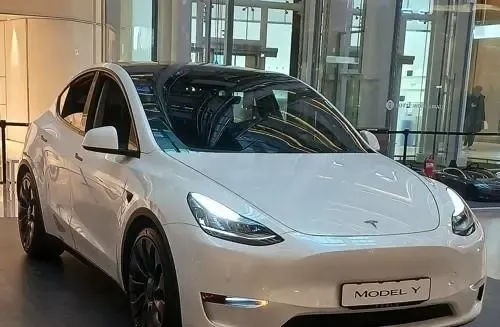
Tesla led imported car sales with 56,139 units and a 30.5 percent import share, up from 13.9 percent a year earlier.
Eco-friendly vehicle share has risen from 9.1 percent in 2020 to over 50 percent in H1 2025.
Eco-friendly vehicles crossed the 50 percent threshold of new car registrations in South Korea for the first time during a January-June period in 2025, driven by a 112.6 percent surge in electric vehicle sales, according to data from the CarIsYou Data Research Center. The milestone marks a structural shift in one of Asia's largest auto markets.
Key Registration Numbers
In the first six months of 2025, registrations of eco-friendly vehicles — covering battery electric, gasoline hybrid, and hydrogen fuel-cell models — reached 429,163 units, representing 50.4 percent of the 851,833 newly registered vehicles, according to government data cited by the research centre. This is the first time eco-friendly vehicles have exceeded half of all new registrations in any first-half period.
The share of eco-friendly vehicles has climbed sharply over recent years — from 9.1 percent in 2020 to 25.5 percent in 2023 and 38.5 percent in 2024, before crossing the majority mark this year.
EV Sales Lead the Charge
Battery electric vehicles were the standout performer, with registrations surging 112.6 percent year-on-year to 198,969 units in the first half — making EVs the only major powertrain category to post on-year growth. An industry official attributed the momentum to an expanded lineup of new models and the early disbursement of government EV subsidies. 'An expanded lineup of new models and the early disbursement of government EV subsidies have helped eco-friendly vehicles become mainstream in the domestic auto market,' the official said.
Notably, the share of gasoline-powered vehicles fell to 39 percent in the first half — dipping below the 40 percent mark for the first time since 2016, when it stood at 39.9 percent.
Tesla Tops Imported Car Sales
US electric vehicle maker Tesla emerged as the best-selling imported passenger car brand in South Korea during the period. According to the Korea Automobile Importers and Distributors Association (KAIDA), 184,032 imported passenger cars were newly registered between January and June, up 33.2 percent from a year earlier.
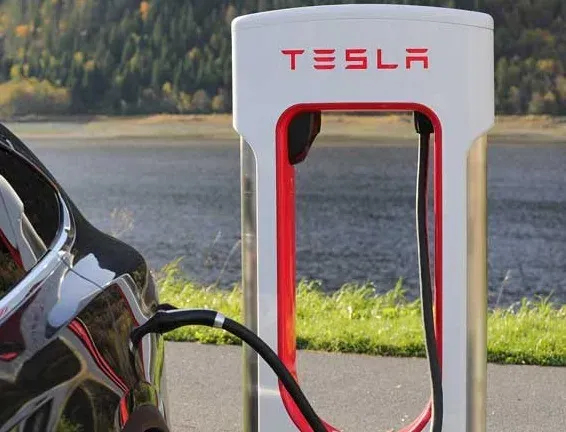
Tesla led imports with 56,139 units, capturing 30.5 percent of total imported car registrations — up sharply from 13.9 percent a year earlier. Tesla's sales soared 192 percent year-on-year, allowing the American EV maker to overtake established German luxury brands.
What This Signals for the Market
South Korea's trajectory mirrors broader global trends, but the speed of adoption is notable. The country has moved from under one-in-ten new registrations being eco-friendly in 2020 to a majority in just five years. Government subsidy policy, expanding model availability, and falling EV prices have all converged to accelerate the shift. The question now is whether the second half of 2025 sustains the momentum, particularly as subsidy budgets are typically front-loaded in the fiscal year.
Point of View
The second-half numbers will be a far sterner test of genuine consumer conviction than the first half was.
NationPress
12 Jul 2026
Frequently Asked Questions
What share of new car registrations in South Korea were eco-friendly in H1 2025?
Eco-friendly vehicles accounted for 50.4 percent of new car registrations in South Korea in the first half of 2025 — the first time the category has crossed the 50 percent mark in any January-June period. Total eco-friendly registrations reached 429,163 units out of 851,833 newly registered vehicles.
How much did electric vehicle sales grow in South Korea in H1 2025?
EV registrations surged 112.6 percent year-on-year to 198,969 units in the first half of 2025, making EVs the only major powertrain category to post on-year growth during the period.
Why did eco-friendly vehicle sales rise so sharply in South Korea?
According to an industry official, an expanded lineup of new models and the early disbursement of government EV subsidies were the primary drivers. These factors together helped eco-friendly vehicles become mainstream in the domestic auto market.
Which brand was the top-selling imported car in South Korea in H1 2025?
Tesla was the best-selling imported passenger car brand in South Korea in H1 2025, registering 56,139 units and capturing 30.5 percent of total imported car sales — up from 13.9 percent a year earlier, with sales soaring 192 percent year-on-year.
How has South Korea's eco-friendly vehicle share changed over the years?
The share has risen sharply from 9.1 percent in 2020 to 25.5 percent in 2023, 38.5 percent in 2024, and over 50 percent in H1 2025, reflecting a rapid structural shift in the country's auto market over five years.