Anurag Thakur-led JPC meets Goa Governor on One Nation One Election
Synopsis
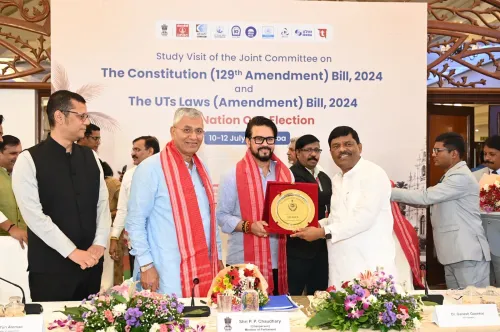
The JPC on One Nation One Election, including BJP MP Anurag Thakur, met Goa Governor Pusapati Ashok Gajapathi Raju at Lok Bhavan during a study tour. Discussions covered synchronising national and state polls, cutting election costs, and strengthening cooperative federalism ahead of the panel's final report to Parliament.
Key Takeaways
The JPC on One Nation One Election called on Goa Governor Pusapati Ashok Gajapathi Raju at Lok Bhavan, Dona Paula , as part of a study tour.
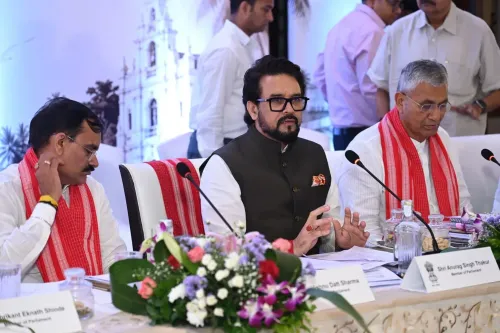
BJP MP Anurag Thakur described the discussions as productive, citing goals of reducing election costs, minimising policy paralysis, and strengthening cooperative federalism.
The Kovind High-Level Committee , constituted in September 2023 , endorsed simultaneous elections in its March 2024 report, paving the way for the JPC's formation.
Governor Ashok Gajapathi Raju, a former Union Civil Aviation Minister and TDP MP , assumed the Goa governorship in 2024 .
Any implementation of One Nation One Election would require constitutional amendments passed by a special majority in Parliament and ratification by state legislatures.
The JPC's final report, once tabled in Parliament, will be a key trigger for any subsequent constitutional amendment bill.
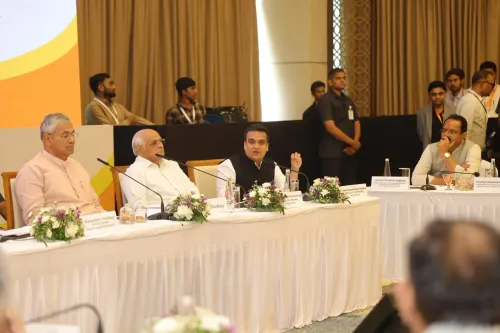
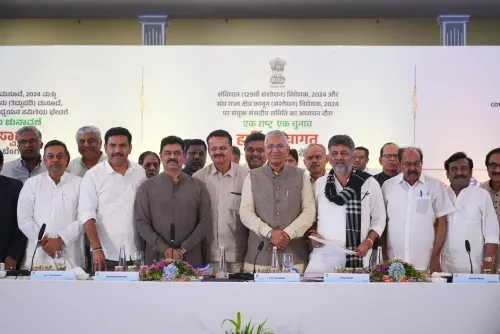
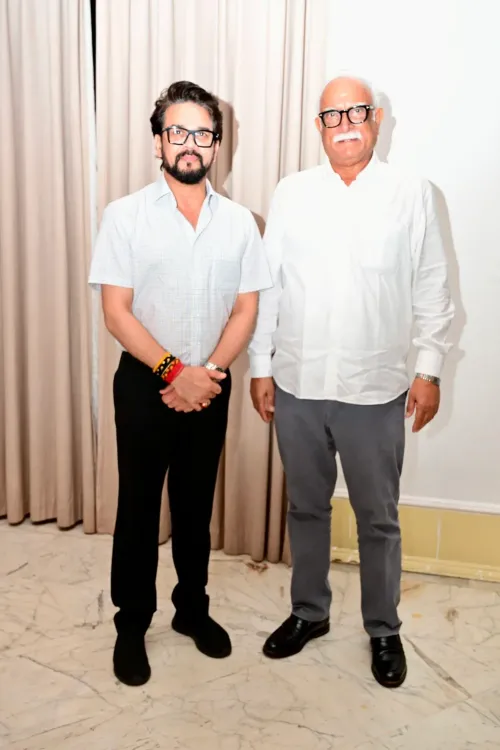
BJP MP Anurag Thakur, a member of the Joint Parliamentary Committee (JPC) on One Nation One Election, called on Goa Governor Pusapati Ashok Gajapathi Raju at Lok Bhavan, Dona Paula, on Sunday, 13 July 2026, as part of the panel's ongoing study tour. The delegation held discussions on the proposed electoral reform aimed at synchronising Lok Sabha and state assembly elections across the country.
Context
Thakur shared details of the meeting on social media, describing the interaction as 'productive discussions on this transformative reform.' He noted that the reform aims to 'synchronise Lok Sabha and Assembly elections, reduce frequent electioneering, cut huge costs, minimise policy paralysis and strengthen cooperative federalism.' Governor Ashok Gajapathi Raju warmly received the JPC delegation at the Raj Bhavan complex in Dona Paula, Goa.
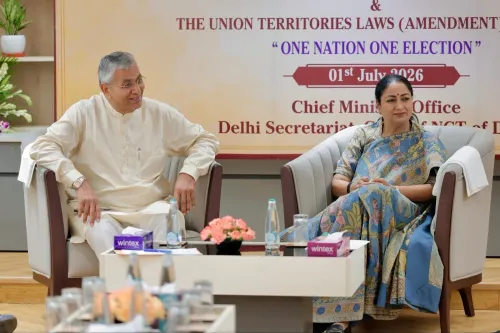
The study tour reflects the JPC's effort to consult constitutional authorities, governors, and state-level stakeholders before finalising its report. Governors, as representatives of the Union in states, carry institutional weight in deliberations on federal electoral reforms.
Policy Backdrop
The idea of simultaneous elections has a long legislative history. The Law Commission of India's 2018 draft report recommended holding simultaneous elections and proposed a common electoral roll, examining the constitutional amendments that would be required. The reform gained renewed momentum when a High-Level Committee headed by former President Ram Nath Kovind, constituted in September 2023, submitted its report in March 2024 endorsing the proposal with a phased implementation roadmap.
The JPC was subsequently constituted to examine the constitutional and logistical aspects of the proposal, including the legislative changes needed to align the tenures of the Lok Sabha and 31 state and union territory assemblies. Critics of the reform, including several opposition-ruled state governments, have raised concerns about federal autonomy and the practical challenges of synchronising election cycles.
Stakeholders and Impact
Governor Pusapati Ashok Gajapathi Raju, who assumed office as Goa's Governor in 2024, brings considerable political experience to the role — he previously served as a Union Minister for Civil Aviation and as a member of Parliament representing the Telugu Desam Party (TDP) from Andhra Pradesh. Thakur described his 'vast experience and dedication to good governance' as a source of inspiration for the delegation.
For Goa, whose assembly elections have at times fallen outside the Lok Sabha cycle, synchronisation under the proposed reform would mean aligning its next assembly poll with the national election schedule. The Election Commission of India, state governments, and political parties across the spectrum remain key stakeholders whose buy-in will be essential for any constitutional amendment to pass.
What's Next
The JPC's study tour to states and consultations with governors and legislatures is expected to feed into its final report, which will be tabled in Parliament. Any legislative action would require constitutional amendments — a process that typically demands a special majority in both Houses and, for certain provisions, ratification by at least half the state legislatures. The pace and political consensus around the JPC's recommendations will determine whether simultaneous elections move from proposal to parliamentary bill in the near term.
Point of View
The ruling dispensation signals that the reform has cross-institutional legitimacy beyond the BJP's own parliamentary majority. Governor Raju's TDP background adds a layer of optics, suggesting the reform's appeal extends to NDA allies with regional roots. However, the real test remains in state legislatures, where opposition governments have shown little appetite for a reform they see as centralising electoral power. The study tour keeps the proposal politically visible without committing to a legislative timeline.
NationPress
12 Jul 2026
Frequently Asked Questions
What is One Nation One Election?
One Nation One Election is a proposed Indian electoral reform that would synchronise the schedules of Lok Sabha and all state assembly elections so they are held simultaneously, reducing the frequency of elections, lowering costs, and limiting repeated impositions of the Model Code of Conduct.
What is the JPC on One Nation One Election?
The Joint Parliamentary Committee (JPC) on One Nation One Election is a parliamentary panel tasked with examining the constitutional, legal, and logistical aspects of holding simultaneous elections in India, and with preparing a report for Parliament.
Who is Goa Governor Pusapati Ashok Gajapathi Raju?
Pusapati Ashok Gajapathi Raju is the Governor of Goa since 2024. He previously served as Union Minister for Civil Aviation and as a Lok Sabha MP from Andhra Pradesh representing the Telugu Desam Party (TDP).
What did the Kovind Committee say about simultaneous elections?
The High-Level Committee headed by former President Ram Nath Kovind, constituted in September 2023, submitted its report in March 2024 endorsing One Nation One Election and recommending a phased implementation roadmap.
What constitutional changes are needed for One Nation One Election?
Implementing simultaneous elections would require amendments to the Constitution of India, which must be passed by a special majority in both Houses of Parliament and, for certain provisions, ratified by at least half of the state legislatures.