One Nation One Election: BJP backs, Congress rejects proposal at Bengaluru JPC meet
Synopsis
At a JPC consultation in Bengaluru, the BJP submitted a memorandum backing simultaneous elections while Karnataka Deputy CM D. K. Shivakumar read a state assembly resolution opposing the proposal — turning a parliamentary outreach session into a sharp federal flashpoint. The divide signals the constitutional amendment faces significant political resistance beyond Delhi.
Key Takeaways
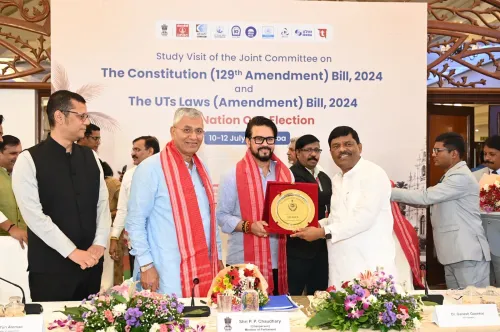
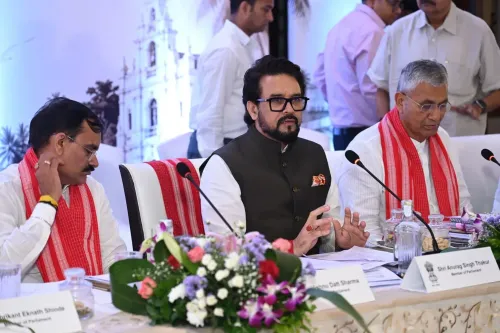
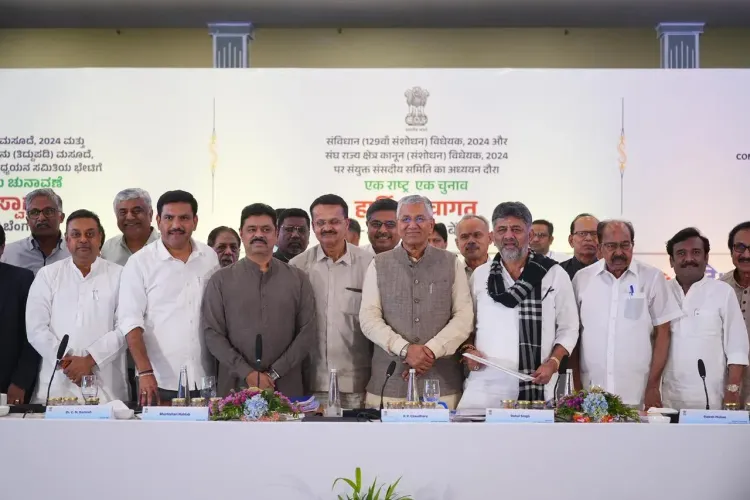
The JPC of the Lok Sabha Secretariat held a consultation on 16 May at the Taj West End hotel, Bengaluru on the 'One Nation, One Election' proposal.
Karnataka BJP , led by state president B.
Vijayendra , submitted a memorandum supporting simultaneous elections.
Deputy CM and KPCC President D.
Shivakumar categorically rejected the proposal, calling it a threat to federalism and democratic structure.
Shivakumar read out a Karnataka Legislative Assembly resolution opposing the concept during the meeting.
He questioned how elections across states with different terms — Karnataka, Tamil Nadu, Kerala, Punjab, Telangana — could be synchronised.
The JPC is conducting multi-state consultations as part of the legislative process for the proposed constitutional amendment.
The Joint Parliamentary Committee (JPC) of the Lok Sabha Secretariat convened a high-stakes consultation on Saturday, 16 May at the Taj West End hotel, Bengaluru, where the Bharatiya Janata Party (BJP) and the Indian National Congress staked out sharply opposing positions on the 'One Nation, One Election' proposal — a constitutional amendment that would synchronise all state and national elections into a single electoral cycle.
BJP Submits Memorandum in Support
The Karnataka unit of the BJP submitted a formal memorandum to the committee urging nationwide implementation of simultaneous elections. State BJP President and MLA B. Y. Vijayendra led the party's delegation at the discussions, accompanied by MPs P. C. Mohan, Yaduveer Wadiyar, and C. N. Manjunath; MLAs L. Ravi Subramanya, Suresh Gowda, and Jyothi Ganesh; MLC K. S. Naveen; BJP state general secretary Nandeesh Reddy; and state chief spokesperson Ashwath Narayan. The party argued that synchronised elections would reduce administrative burden, cut costs, and minimise the recurring disruption of the Model Code of Conduct across the country.
Congress Categorically Rejects the Proposal
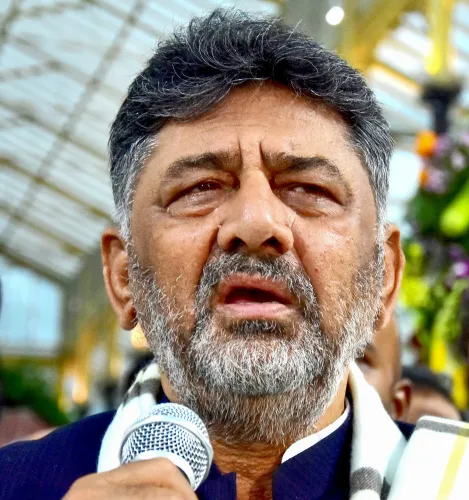
Deputy Chief Minister and Karnataka Pradesh Congress Committee (KPCC) President D. K. Shivakumar mounted a forceful opposition, describing the proposal as politically motivated and structurally dangerous. “As KPCC President and as Deputy Chief Minister of the Karnataka Government, I categorically reject this proposal,” Shivakumar said during the meeting. He characterised the initiative as designed for the convenience of those in power at the Centre and warned it posed a direct threat to India’s democratic and federal framework.
Karnataka Assembly Resolution Read Into Record
Shivakumar noted that the Karnataka Legislative Assembly had already passed a resolution opposing the concept, and he read the resolution aloud during the JPC consultation — a pointed procedural move signalling the state government’s formal, on-record stance. He added that Karnataka’s position aligned with the Congress national leadership and would not change.
Federalism and Practicality at the Heart of the Debate
Critics of the proposal, including Shivakumar, questioned its operational feasibility. He raised the scenario of a government collapsing mid-term due to a no-confidence motion, political instability, or loss of majority — asking what mechanism would handle elections in such cases under a synchronised system. “Elections are held at different times in different states for different terms. Karnataka had its election three years ago, Tamil Nadu and Kerala had theirs recently, while Punjab and Telangana went to the polls at different times. How can all these elections be synchronised?” he said. He further alleged the move was aimed at suppressing the voices of regional and Opposition parties. This comes amid a broader national debate over the proposal, which has drawn opposition from multiple non-BJP-ruled states on federal grounds.
What Happens Next
The JPC is conducting consultations across states as part of the legislative groundwork for the proposed constitutional amendment. The Bengaluru meeting is one in a series of regional outreach sessions. The committee’s final report, expected to shape the amendment’s contours, will be closely watched by both ruling and opposition parties. Whether the Centre can build sufficient cross-party consensus remains the central question.
Point of View
While opposition-ruled states frame it as a federal threat. What mainstream coverage underplays is the procedural significance of Shivakumar reading a state assembly resolution into the JPC record — that is not rhetoric, it is a formal legislative position that the committee cannot ignore. The harder question the proposal has yet to answer is the mid-term collapse scenario: if a state government falls, does the entire national calendar reset? Until the amendment text addresses that, critics have a legitimate structural objection, not merely a political one.
NationPress
3 Oct 2026
Frequently Asked Questions
What is the 'One Nation, One Election' proposal discussed in Bengaluru?
It is a proposed constitutional amendment that would synchronise all state assembly and Lok Sabha elections into a single simultaneous electoral cycle. The Joint Parliamentary Committee is conducting consultations across states to gather political party inputs before finalising its report.
What position did the BJP take at the Bengaluru JPC meeting?
The Karnataka BJP submitted a memorandum supporting the implementation of simultaneous elections nationwide. State BJP President B. Y. Vijayendra led the delegation, which included several MPs, MLAs, and senior party officials.
Why did Congress oppose the proposal at the meeting?
Deputy CM and KPCC President D. K. Shivakumar called the proposal politically motivated and a threat to India's federal structure. He argued it was designed for the convenience of those in power at the Centre and alleged it could suppress regional and opposition party voices.
What did D. K. Shivakumar read out at the JPC consultation?
Shivakumar read out a resolution passed by the Karnataka Legislative Assembly opposing the 'One Nation, One Election' concept, formally placing the state government's position on record before the parliamentary committee.
What is the key practical concern raised against the proposal?
Critics, including Shivakumar, questioned what would happen if a state government collapsed mid-term due to a no-confidence motion or loss of majority. They also pointed out that states like Karnataka, Tamil Nadu, Kerala, Punjab, and Telangana are all on different electoral cycles, making synchronisation operationally complex.