CM Rekha Gupta Welcomes JPC on One Nation One Election
Synopsis
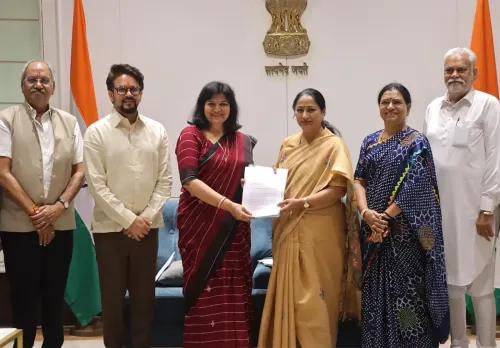
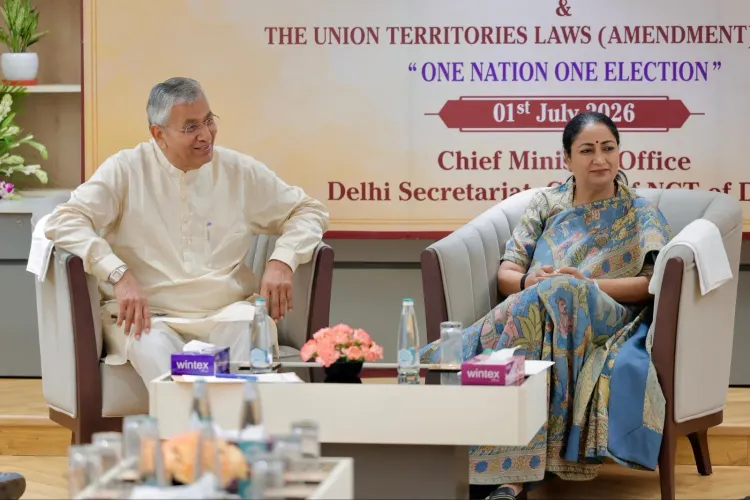
Delhi Chief Minister Rekha Gupta welcomed the JPC chaired by P. P. Chaudhary at the Delhi Secretariat on 1 July 2026 for a study visit on the Constitution (129th Amendment) Bill, 2024 and the UT Laws Amendment Bill, 2024, publicly backing the 'One Nation, One Election' reform as a step toward stronger, more efficient governance.
Key Takeaways
Delhi CM Rekha Gupta hosted the Joint Parliamentary Committee at the Delhi Secretariat on 1 July 2026 for a study visit on the simultaneous elections bills.
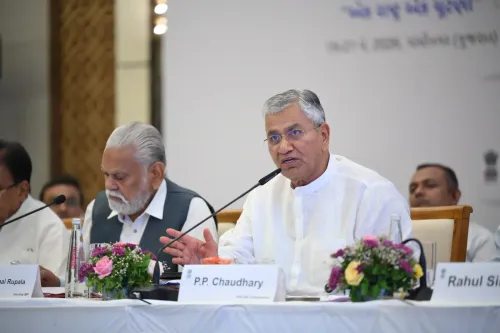
The JPC is chaired by BJP MP P.
Chaudhary and is examining the Constitution (129th Amendment) Bill, 2024 and the Union Territories Laws (Amendment) Bill, 2024 .
CM Gupta stated the reform would save 'time, money and resources' and bring continuity and efficiency to governance.
The High Level Committee under former President Ram Nath Kovind , formed in September 2023 , had earlier examined the feasibility of simultaneous elections and laid the groundwork for the bills.
Delhi's engagement is significant given its status as a Union Territory with a legislature, making it directly covered by both bills.
The JPC report, once tabled, will trigger floor debates requiring a special majority and likely state legislature ratification for the constitutional amendment to pass.
Delhi Chief Minister Rekha Gupta on Wednesday, 1 July 2026 welcomed members of the Joint Parliamentary Committee (JPC) at the Delhi Secretariat for a study visit on the Constitution (129th Amendment) Bill, 2024 and the Union Territories Laws (Amendment) Bill, 2024 — the twin legislative pillars of the 'One Nation, One Election' proposal. The committee, chaired by BJP MP P. P. Chaudhary, is examining the bills ahead of a formal report to Parliament.
Context
In her post, CM Gupta stated: 'एक राष्ट्र, एक चुनाव' ('One Nation, One Election') is 'an important reform to make India's democracy more empowered, organised, effective and stable.' She added that the proposal would result in 'savings of time, money and resources' and bring 'continuity and efficiency to governance.' The Delhi government, she said, 'supports every such reform that promotes good governance, strengthens administrative efficiency, and makes the democratic system more robust.'
The JPC's visit to the Delhi Secretariat is part of a federal consultation track, gathering inputs from state governments before the committee finalises its recommendations on the bills.
Policy Backdrop
The push for simultaneous elections has a long legislative history. In September 2023, the Union government constituted a High Level Committee headed by former President Ram Nath Kovind to examine the feasibility of holding Lok Sabha and state assembly elections concurrently. The committee's report formed the basis for the two bills now before the JPC.
The Constitution (129th Amendment) Bill, 2024 seeks to amend the Constitution to synchronise election cycles across the country, while the accompanying Union Territories Laws (Amendment) Bill, 2024 brings UT legislatures within the same framework. Critics across opposition parties have raised concerns about federal autonomy, arguing that fixing election cycles could curtail the constitutional right of state assemblies to complete their mandated terms independently.
Stakeholders and Impact
The proposal, if enacted, would affect political parties, state governments, and the Election Commission of India most directly. Proponents argue that holding elections simultaneously would reduce the repeated mobilisation of security forces, government machinery, and public expenditure that accompanies staggered polls. Opponents contend that local issues could be overshadowed by national narratives when all elections are bundled together.
Delhi's engagement with the JPC is notable given the capital's unique constitutional status as a Union Territory with a legislature — making it directly relevant to both bills under examination. CM Gupta's endorsement signals alignment between the BJP-led Delhi government and the Union government's legislative agenda on electoral reform.
What's Next
The JPC is expected to continue its consultation visits to other states and stakeholders before tabling its report in Parliament. Any floor debate on the bills will require broad consensus, as constitutional amendments demand ratification by a special majority and, in this case, likely concurrence from a majority of state legislatures. CM Gupta's public support adds a state-level voice to the Centre's push, but the reform's fate will ultimately hinge on the JPC report and the political arithmetic in both Houses of Parliament.
Point of View
One Election' bills during the JPC's study visit is a calculated alignment of the BJP-led Delhi government with the Union government's flagship electoral reform agenda. By hosting the committee and issuing an explicit statement of support, Gupta positions Delhi — a UT with a legislature — as a cooperative federalist partner rather than a dissenting voice, lending symbolic weight to the Centre's outreach. The move also underscores how the BJP is using state-level leaders to build a consultative narrative around what remains a deeply contested constitutional overhaul. The real test will come when the JPC report is tabled and the government must secure the supermajority and state ratifications that the amendment demands.
NationPress
30 Sept 2026
Frequently Asked Questions
What is the One Nation One Election proposal in India?
'One Nation, One Election' is a proposal to synchronise Lok Sabha and state assembly elections so they are held simultaneously across India, reducing the frequency of separate polls and the associated expenditure of public resources.
What is the Constitution 129th Amendment Bill 2024?
The Constitution (129th Amendment) Bill, 2024 is legislation introduced to amend the Indian Constitution to enable simultaneous elections for the Lok Sabha and all state assemblies, forming the legal backbone of the 'One Nation, One Election' reform.
Who is chairing the JPC on One Nation One Election?
BJP MP P. P. Chaudhary chairs the Joint Parliamentary Committee examining the Constitution (129th Amendment) Bill, 2024 and the Union Territories Laws (Amendment) Bill, 2024.
Why did the JPC visit Delhi Secretariat?
The JPC visited the Delhi Secretariat on 1 July 2026 as part of a study visit and federal consultation process to gather inputs from the Delhi government before finalising its report on the simultaneous elections bills.
What did Delhi CM Rekha Gupta say about One Nation One Election?
CM Rekha Gupta said 'One Nation, One Election' is an important reform to make India's democracy more empowered, organised, effective and stable, adding that it would save time, money and resources and strengthen governance continuity.