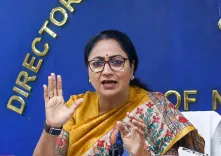
CM Rekha Gupta Hails Lok Sabha Passage of Public Examination Amendment Bill 2026
Synopsis
Delhi CM Rekha Gupta hailed the Lok Sabha passage of the Public Examinations (Prevention of Unfair Means) Amendment Bill, 2026, saying the 'days of the paper leak mafia are numbered' and calling it a historic step to secure fair exams for crores of Indian youth.
Key Takeaways
The Public Examinations (Prevention of Unfair Means) Amendment Bill, 2026 was passed by the Lok Sabha on July 30, 2026 .
Delhi Chief Minister Rekha Gupta called it a historic decision in favour of crores of honest, hardworking young Indians.
The bill amends the Public Examinations (Prevention of Unfair Means) Act, 2024 , which was enacted after high-profile paper leak scandals including NEET .
CM Gupta framed the legislation as the fulfilment of ' Modi's guarantee ' of fair, merit-based public examinations.
The bill must now clear the Rajya Sabha before it can be notified into enforceable law.
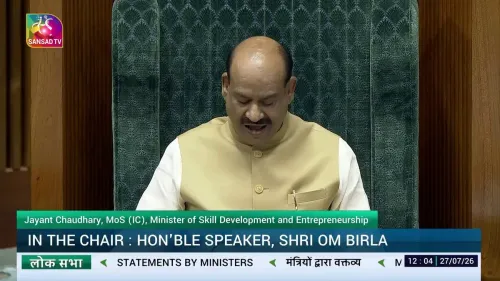
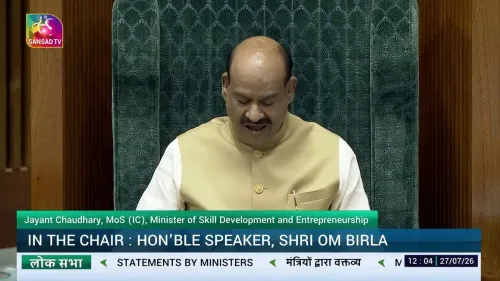
Millions of Indian students who have watched their exam dreams collapse under the weight of paper leaks just got a legislative answer. Delhi Chief Minister Rekha Gupta on Thursday, July 30, 2026, welcomed the passage of the Public Examinations (Prevention of Unfair Means) Amendment Bill, 2026 in the Lok Sabha, calling it a historic decision standing alongside the honest hard work of crores of young Indians.
Posting in Hindi, CM Gupta declared: 'पेपर लीक माफिया के दिन अब गिने-चुने हैं' — 'The days of the paper leak mafia are now numbered.' She framed the bill's passage as the fulfilment of what she termed 'Modi's guarantee': that every examination be fair, every talent receive justice, and every young person's future remain secure.
A 2024 Law That Needed Teeth — and Now Gets Them
The amendment builds directly on the Public Examinations (Prevention of Unfair Means) Act, 2024, which Parliament passed as high-profile paper leak scandals — most visibly in NEET and multiple state recruitment examinations — exposed systemic rot in India's competitive testing ecosystem. That law established the legal framework; the 2026 amendment is designed to extend and sharpen it.
The pattern has been consistent and damaging: organised networks leak question papers, aspirants who spent years preparing are forced into re-tests, and trust in merit-based selection erodes. For a country where a single government exam can draw tens of millions of applicants, each leak is not just a scandal — it is a mass injustice.
What Comes Next for the Bill
Passage in the Lok Sabha is the first chamber hurdle. The bill now moves to the Rajya Sabha, where it must clear before it can be notified into law and enforcement rules framed for exam bodies and state governments. The political signal from the ruling coalition is clear; the administrative machinery to make it stick across states is the next test.
For the students who have lived through cancelled exams and deferred futures, the countdown CM Gupta invoked is not just rhetoric — it is the benchmark against which this legislation will ultimately be judged.
Point of View
The bill serves a dual purpose: substantive policy tightening and a visible electoral signal to the vast, politically engaged demographic of competitive exam aspirants. CM Gupta's invocation of 'Modi's guarantee' is deliberate — it ties the legislation to the prime minister's personal credibility with youth voters. The real test, however, will be implementation: whether enforcement rules are notified swiftly and whether states with their own exam boards are brought into compliance.
NationPress
13 Sept 2026
Frequently Asked Questions
What is the Public Examinations (Prevention of Unfair Means) Amendment Bill, 2026?
It is a bill passed by the Lok Sabha on July 30, 2026, that amends the 2024 law on preventing malpractice in public examinations, aiming to strengthen penalties and close loopholes exploited by organised paper leak networks.
Why did Rekha Gupta welcome the Public Examination Bill 2026?
Delhi CM Rekha Gupta called it a historic decision that stands with the honest hard work of crores of Indian youth, saying the 'days of the paper leak mafia are numbered' and framing it as fulfilment of 'Modi's guarantee' of fair exams.
What happens after the Lok Sabha passes the Public Examination Amendment Bill?
The bill must next be passed by the Rajya Sabha, the upper house of Parliament, before it can receive presidential assent and be notified into law with enforceable rules for exam bodies and state governments.
Which exam paper leaks led to India's public examination laws?
High-profile paper leak scandals in competitive exams including NEET and multiple state recruitment tests prompted Parliament to pass the original Public Examinations (Prevention of Unfair Means) Act in 2024, which the 2026 bill now amends.
What is 'Modi's guarantee' on examinations?
As used by BJP leaders including CM Rekha Gupta, 'Modi's guarantee' on examinations refers to Prime Minister Narendra Modi's political commitment that every public examination will be fair, every talent will receive justice, and every young person's future will be protected from malpractice.