FII inflows hit $7 billion after govt-RBI rupee support measures: SBI Research

Synopsis
India pulled in $7 billion in FII inflows after a targeted government-RBI package — tax exemptions on sovereign bonds, subsidised hedging, and a PSU dollar-swap window — arrested the rupee's slide from a ₹96.8 low. But the US-Iran ceasefire collapse has already reignited crude pressure, making the recovery's durability the real question.
Key Takeaways
India attracted $7 billion in FII inflows following government and RBI measures to stabilise the rupee, per SBI Research (12 July 2026).
The rupee appreciated 2.2% from a low of ₹96.8 per US dollar recorded on 20 May 2026 .
Key measures included FII/FPI tax exemptions on sovereign bonds, subsidised FCNR-B hedging costs, and a concessional dollar-swap window for PSU loans.
Banks have mobilised an estimated $3–4 billion through revised FCNR-B deposits; the scheme is expected to attract $40–50 billion over time.
RBI forex reserves rose by $4.4 billion in the fortnight; incremental bank credit jumped to ₹5.6 lakh crore in Q1 FY27 from ₹2.4 lakh crore a year earlier.
India's oil import bill savings projected at $30–35 billion with crude now expected at $80 per barrel or below.
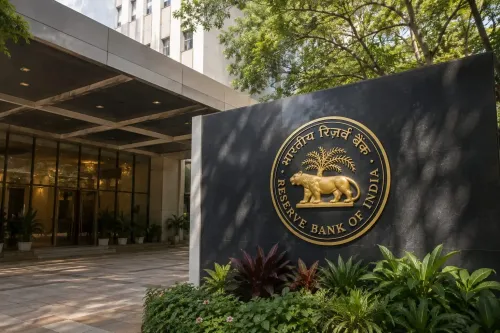
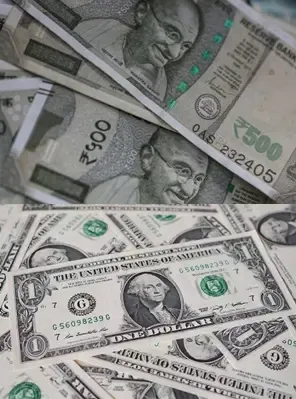
India has attracted $7 billion in foreign institutional investor (FII) inflows following a coordinated set of measures by the government and the Reserve Bank of India (RBI) to stabilise the rupee and draw overseas capital, according to an SBI Research report released on 12 July 2026. The rupee had touched a low of ₹96.8 against the US dollar on 20 May 2026 before appreciating roughly 2.2% through the end of June.
Measures That Triggered the Inflow
The policy package, rolled out last month, included the exemption of FIIs and Foreign Portfolio Investors (FPIs) from tax on sovereign bonds, subsidised hedging costs for Foreign Currency Non-Resident Bank (FCNR-B) deposits, and a concessional dollar-swap window for public sector undertaking (PSU) loans. The measures were a direct response to rupee pressure caused by rising crude prices linked to the Middle East conflict.
The banking sector has separately mobilised an estimated $3–4 billion through revised FCNR-B deposits so far, with bankers expecting inflows to accelerate — particularly from non-resident Indians (NRIs) based in the Gulf region — as awareness of the revised scheme grows. Over time, the revised scheme is expected to attract $40–50 billion in fresh FCNR-B deposits, according to bankers, supported by higher interest rates and the RBI's decision to absorb banks' hedging costs.
Fresh Geopolitical Headwinds
Despite the positive momentum, renewed geopolitical tensions have put fresh upward pressure on the exchange rate. The situation escalated after the US President announced the end of the US-Iran ceasefire, pushing Brent crude prices higher and triggering a fresh bout of rupee depreciation. The development underscores the fragility of the currency's recovery, which remains closely tied to global oil market dynamics.
Notably, this is not the first time that external shocks have threatened to unwind domestic policy gains — crude-linked rupee stress has been a recurring pattern through FY25 and FY26.
Oil Import Bill Savings and Forex Reserves
Despite the renewed pressure, SBI Research maintained a broadly positive outlook. The average crude oil price for the Indian basket is now expected at $80 per barrel or lower, which the report said would generate savings of at least $30–35 billion in India's oil import bill — a significant improvement from earlier projections when crude had crossed $130 per barrel.
The RBI's foreign currency reserves also rose by $4.4 billion during the fortnight, providing an additional buffer for currency management.
Credit and Liquidity Conditions Improve
On the domestic credit front, commercial paper (CP) issuances surged in the first quarter of FY27, with June issuances hitting a 55-month high. Incremental bank credit rose sharply to ₹5.6 lakh crore in Q1 FY27, compared with ₹2.4 lakh crore in the corresponding period last year.
According to SBI Research, the top sectors recording higher CP issuances also saw stronger bank credit growth and accounted for around 69% of new project announcements in Q1 FY27. A record ₹7 lakh crore in deposit accretion during the fortnight ended 30 June is expected to ease systemic liquidity further, even as banks are anticipated to reduce reliance on certificates of deposit (CDs) going forward.
With FCNR-B collections set to pick up pace and global crude stabilising below earlier crisis levels, the near-term outlook for India's external sector hinges on whether geopolitical tensions — particularly in the Middle East — escalate further or recede.
Point of View
But the architecture holding it up is fragile. India's rupee stability is being engineered through a combination of tax concessions, subsidised hedging, and swap windows — essentially paying a premium to attract flows that global risk conditions can reverse overnight. The US-Iran ceasefire collapse is a reminder that every crude spike undoes months of careful currency management. The deeper question SBI Research does not fully address is whether these inflows are sticky capital or hot money chasing a subsidised carry trade. If it is the latter, the next geopolitical shock will not just pressure the rupee — it will expose the cost of the incentives that brought the money in.
NationPress
11 Oct 2026
Frequently Asked Questions
Why did FII inflows into India surge to $7 billion?
India received $7 billion in FII inflows after the government and RBI introduced a package of measures — including tax exemptions on sovereign bonds for FIIs and FPIs, subsidised hedging costs for FCNR-B deposits, and a concessional dollar-swap window for PSU loans — aimed at attracting foreign capital and stabilising the rupee. The measures were a direct response to rupee depreciation pressure caused by rising crude prices amid the Middle East conflict.
How much has the Indian rupee recovered since its May 2026 low?
The rupee appreciated approximately 2.2% from its low of ₹96.8 against the US dollar recorded on 20 May 2026 through the end of June 2026, according to SBI Research. However, fresh geopolitical tensions following the collapse of the US-Iran ceasefire have put renewed upward pressure on the exchange rate.
What is the revised FCNR-B deposit scheme and how much has it raised?
The revised Foreign Currency Non-Resident Bank (FCNR-B) deposit scheme, rolled out by the RBI, offers higher interest rates and absorbs banks' hedging costs to attract NRI deposits. Banks have mobilised an estimated $3–4 billion so far, and the scheme is expected to draw $40–50 billion in total over time, with Gulf-based NRIs seen as a key source of accelerating inflows.
How have India's forex reserves and domestic credit changed in Q1 FY27?
The RBI's foreign currency reserves rose by $4.4 billion during the fortnight. Incremental bank credit grew sharply to ₹5.6 lakh crore in Q1 FY27, up from ₹2.4 lakh crore in the same period last year. Commercial paper issuances also surged, with June hitting a 55-month high.
What is India's projected saving on its oil import bill in FY27?
With the average crude oil price for the Indian basket now expected at $80 per barrel or below, SBI Research projects savings of at least $30–35 billion on India's oil import bill compared with earlier estimates made when crude had crossed $130 per barrel. This improvement is a key factor in the more positive external sector outlook.